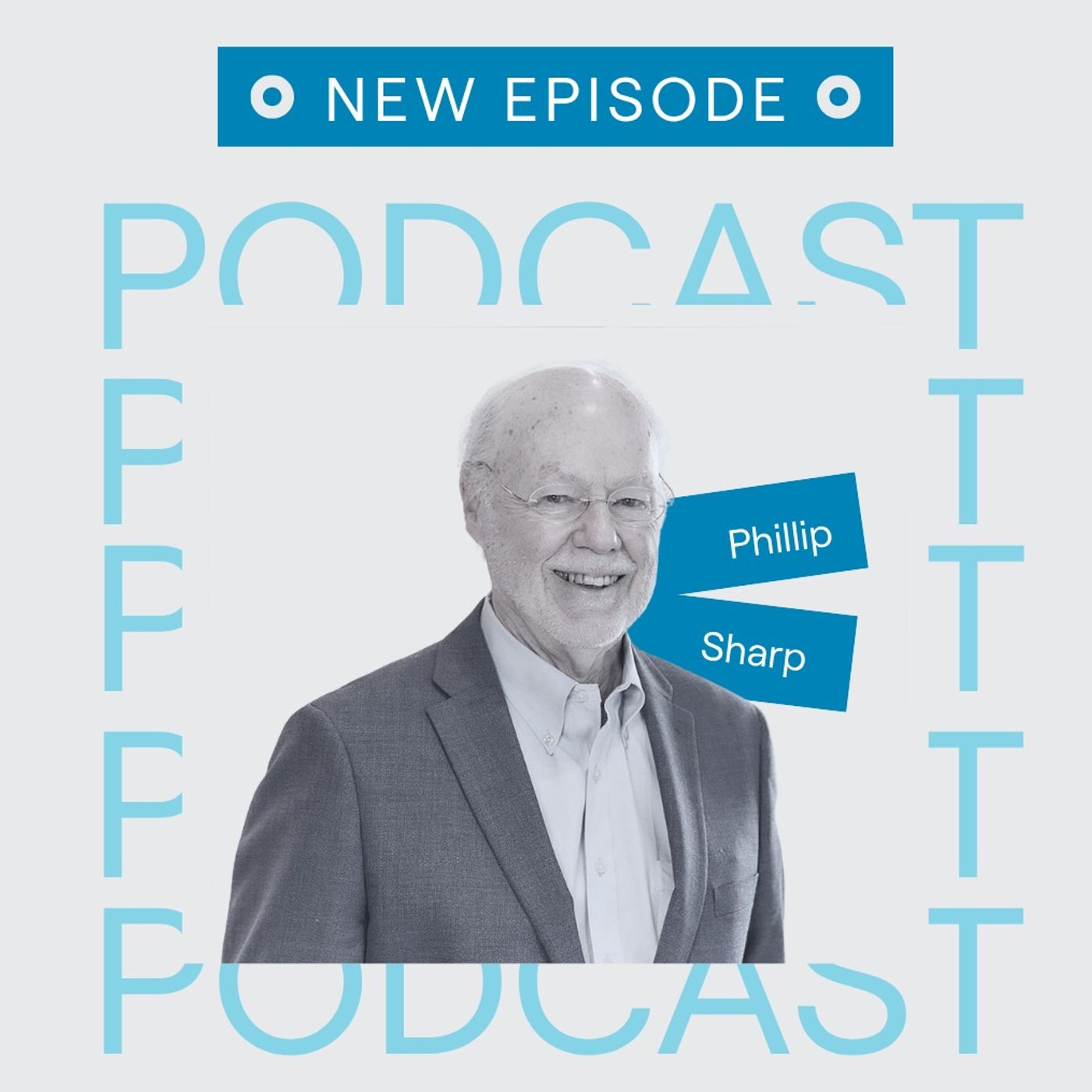
Sharp attributes his success to the character built on his family farm, where he learned to solve problems with limited resources and persevere through unpleasant tasks. This work ethic and problem-solving mindset were foundational for his demanding scientific career.
Sharp emphasizes that what appears as a sudden breakthrough is actually the culmination of months or years of dedicated work and preparation. He argues that significant success is built on a foundation of commitment and perseverance, not just isolated moments of inspiration.
Phillip Sharp advises against scientists speaking down to the public from a position of authority. Instead of claiming to have "the truth," he recommends engaging directly and humbly to help people understand the science and make their own informed decisions.
Phillip Sharp recounts that after his lab published their findings on RNA splicing, other scientists re-examined their data and realized they already had evidence for it in their notebooks. This shows that paradigm shifts can come from reinterpreting existing information with a new hypothesis.
Phillip Sharp explains that the decision to co-found Alnylam was driven by the enormous potential of RNAi to treat countless diseases. This massive upside of changing medicine dwarfed the downside risk of the company failing, making it a compelling venture despite the odds.
Phillip Sharp notes that Alnylam, founded in 2002, took 16 years to get its first drug approval and will take 23 years to become profitable. This long timeline underscores the massive capital and persistence required to translate a foundational scientific discovery into a commercial success.
Sharp shares that Biogen's early strategy was to tackle everything from interferons to insulin. This lack of focus caused the company's stock to drop from $23 to $4 post-IPO. The key lesson was the necessity of focusing on getting one product done before expanding.
Phillip Sharp highlights how the lipid nanoparticle (LNP) technology developed for Alnylam's RNAi drugs was the same technology that enabled the rapid development of mRNA vaccines during the pandemic. This shows how foundational R&D can have unexpected, world-changing applications.
Phillip Sharp advises that the best mentors don't make decisions for their mentees. Instead, they use conversation to help them think through the consequences of different paths and understand their options more clearly. The goal is to facilitate the mentee's own decision-making process.
Phillip Sharp describes how Alnylam built a shared sense of purpose by including every single employee—from scientists to janitorial staff—in high-level scientific advisory board meetings. This radical transparency ensured everyone understood the core mission and challenges, fostering a deeply connected community.