Get your free personalized podcast brief
We scan new podcasts and send you the top 5 insights daily.
Humans evolved to have different "drugs of choice" as a survival mechanism. If everyone sought the same rewards, groups would quickly deplete a single resource. This once-adaptive trait now makes us vulnerable to a wide array of modern, hyper-stimulating temptations.

Related Insights
fMRI studies show the brain's pleasure centers activate when consuming high-status products, releasing dopamine. This proves the pursuit of status is a measurable biological function, not a sign of vanity. Critiquing it as a moral flaw is as misguided as the Victorian-era demand for chastity.

Modern society turns normal behaviors like eating or gaming into potent drugs by manipulating four factors: making them infinitely available (quantity/access), more intense (potency), and constantly new (novelty). This framework explains how behavioral addictions are engineered, hijacking the brain’s reward pathways just like chemical substances.
Our brains are wired to release dopamine through social bonding via the hormone oxytocin. Addictions hijack this natural reward system, replacing deep human connection with a substance or behavior. A key part of recovery is reactivating this healthy pathway by moving out of isolation.
Dopamine is often misunderstood as a 'pleasure molecule.' Its more crucial role is in motivation—the drive to seek a reward. Experiments show rats without dopamine receptors enjoy food but won't move to get it, starving to death. This seeking behavior is often triggered by the brain's craving to escape a dopamine deficit state.
Our fascination with danger isn't a flaw but a survival mechanism. Like animals that observe predators from a safe distance to learn their habits, humans consume stories about threats to understand and prepare for them. This 'morbid curiosity' is a safe way to gather crucial information about potential dangers without facing direct risk.
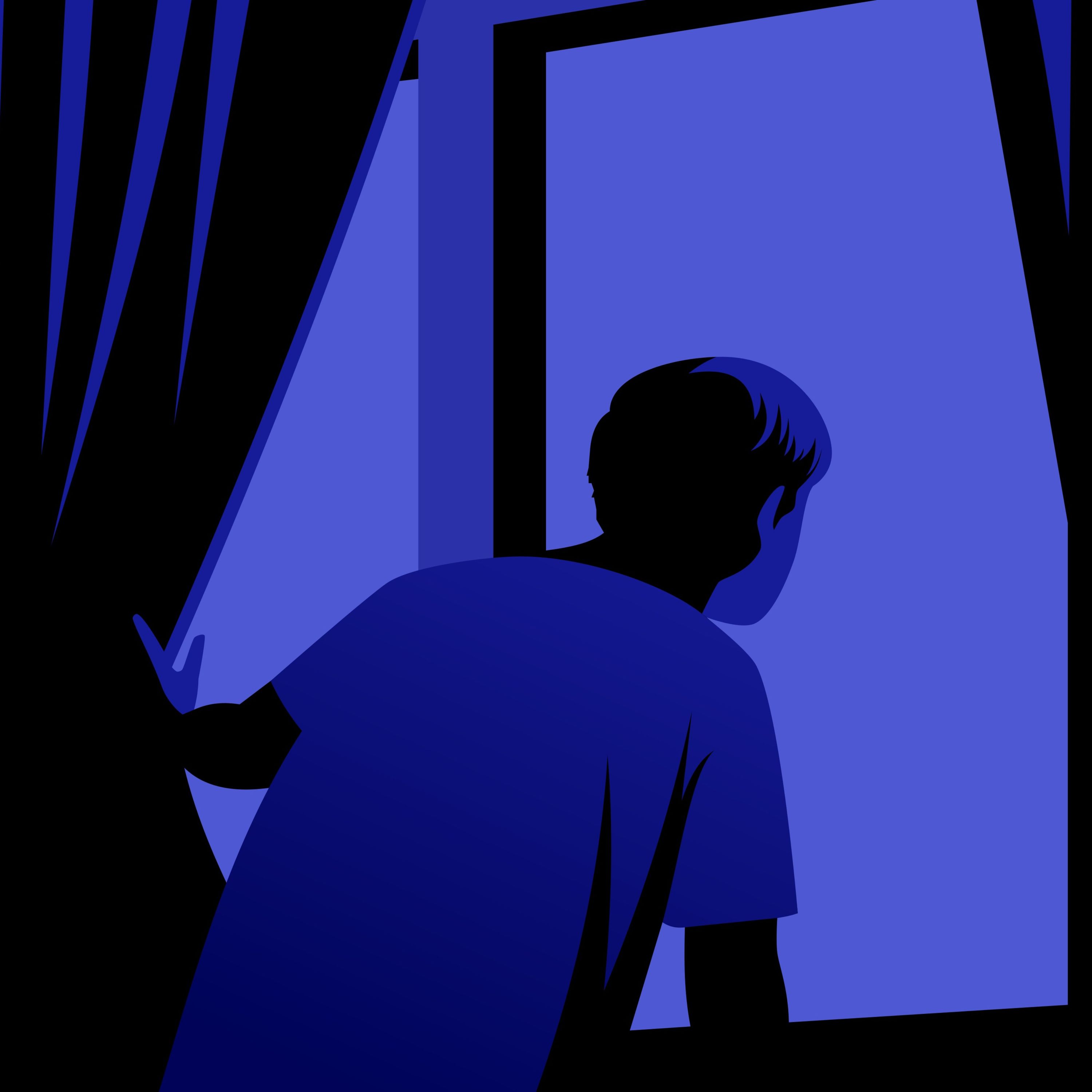
Addiction isn't defined by the pursuit of pleasure. It's the point at which a behavior, which may have started for rational reasons, hijacks the brain’s reward pathway and becomes compulsive. The defining characteristic is the inability to stop even when the behavior no longer provides pleasure and begins causing negative consequences.
Psychiatrist Anna Lemke details her own obsession with romance novels, which began innocently but escalated to needing more graphic content, hiding her reading, and losing interest in family and work. Her story shows how any highly reinforcing behavior, not just illicit drugs, can become a true addiction.
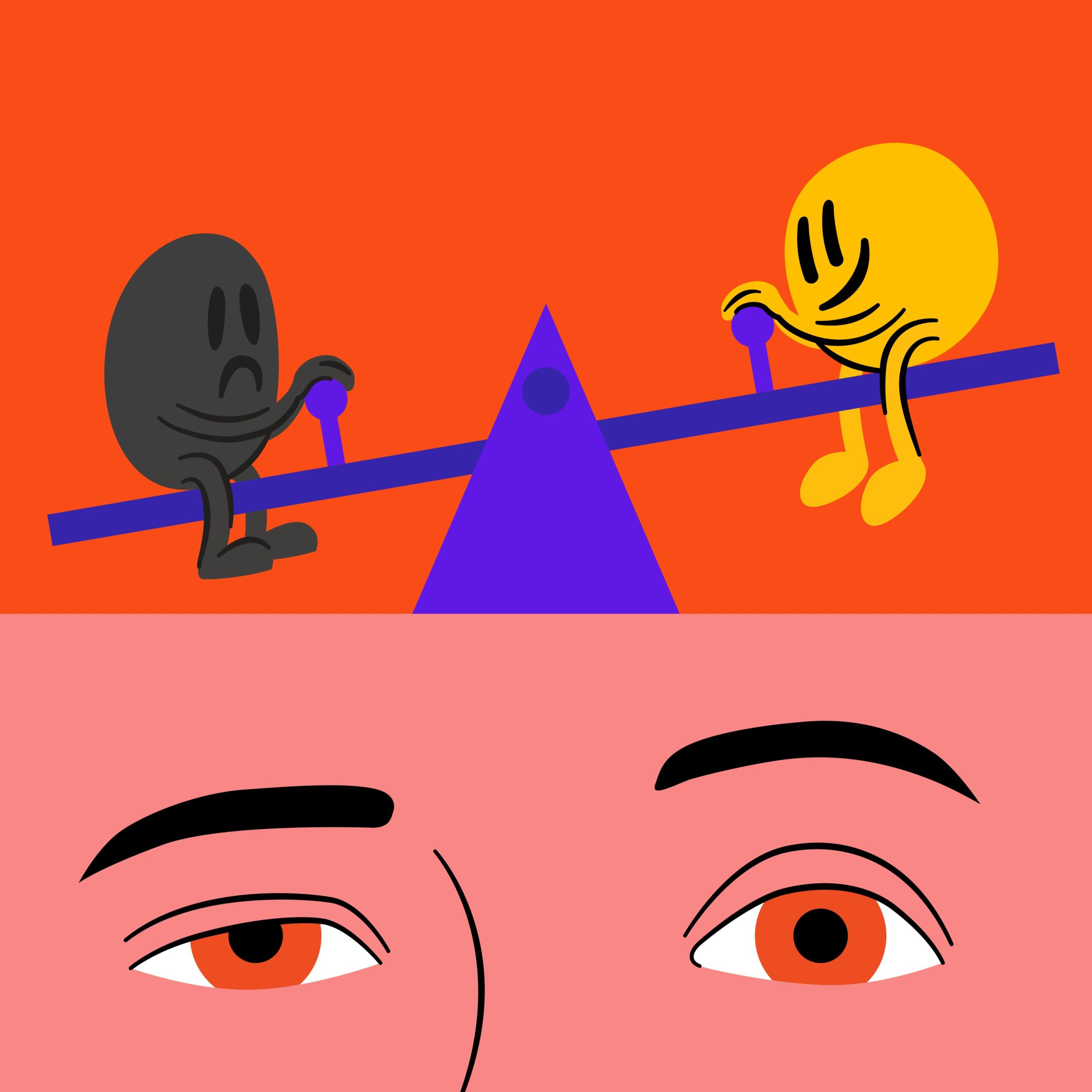
Constantly bombarding our reward pathways causes the brain to permanently weigh down the 'pain' side of its pleasure-pain balance. This alters our baseline mood, or 'hedonic set point,' meaning we eventually need our substance or behavior not to get high, but simply to escape a state of withdrawal and feel normal.
Mother Nature wired us for survival and procreation, not contentment. This creates primal urges for money, power, and pleasure that we mistakenly believe will lead to happiness. Achieving well-being requires consciously choosing higher aspirations over these misleading animal instincts.
The popular assumption that the brain is optimized solely for survival and reproduction is an overly simplistic narrative. In the modern world, the brain's functions are far more complex, and clinging to this outdated model can limit our understanding of its capabilities and our own behavior.
