Get your free personalized podcast brief
We scan new podcasts and send you the top 5 insights daily.
When awaiting your turn to speak, your brain activates a "reverberatory circuit" to prepare for action. The mounting stress you feel is the neurological tension from actively suppressing this pre-planned action. This explains why speaking earlier is often less stressful than waiting.
Related Insights
The jarring transition from a high-stress state to a relaxed one can be so uncomfortable that people subconsciously choose to remain in a state of low-grade, constant stress. This psychological principle, "contrast avoidance theory," explains why it feels so difficult to switch off. Recognizing this discomfort as a temporary transitional phase is key to breaking the cycle.

The foundation of clear communication isn't eloquence but active listening. The goal is to understand the other person's perspective before formulating a response, which also helps prevent reactive, stress-induced replies and makes others feel heard.
A leader's emotional state isn't just observed; it's physically mirrored by their team's brains. This neurological "energy transference" sets the tone for the entire group, meaning a leader's unmanaged stress can directly infect team dynamics and performance.

The physiological state of nervousness—heightened alertness and agitation from adrenaline—is identical to that of excitement. Neuroscientist Andrew Huberman explains the emotional difference comes entirely from our cognitive framing, or the top-down label we apply to the physical sensations.
The brain's emotional center is five times stronger than its rational part. When triggered by stress, it shuts down executive function. A deliberate 90-second pause is a powerful antidote that allows the physiological wave of emotion to pass, enabling clearer, more considered decision-making.
Based on the principles of EMDR, intentionally moving your eyes laterally from side-to-side for about 30 seconds can suppress activity in the amygdala. Neuroscientist Andrew Huberman confirms this is a scientifically validated technique for creating a state of reduced alertness before a stressful event like public speaking.
When you must communicate despite feeling tired or stressed, shift your focus from your internal state to the external outcome or "why." This reframes the task from an emotional burden to a purposeful action, providing the motivation to push through when internal energy is low.
When someone immediately shuts down a question with 'I don't care,' it may not be apathy. It can be a preemptive defense from individuals who need longer to process information and formulate a response, allowing them to avoid the pressure of an immediate answer.
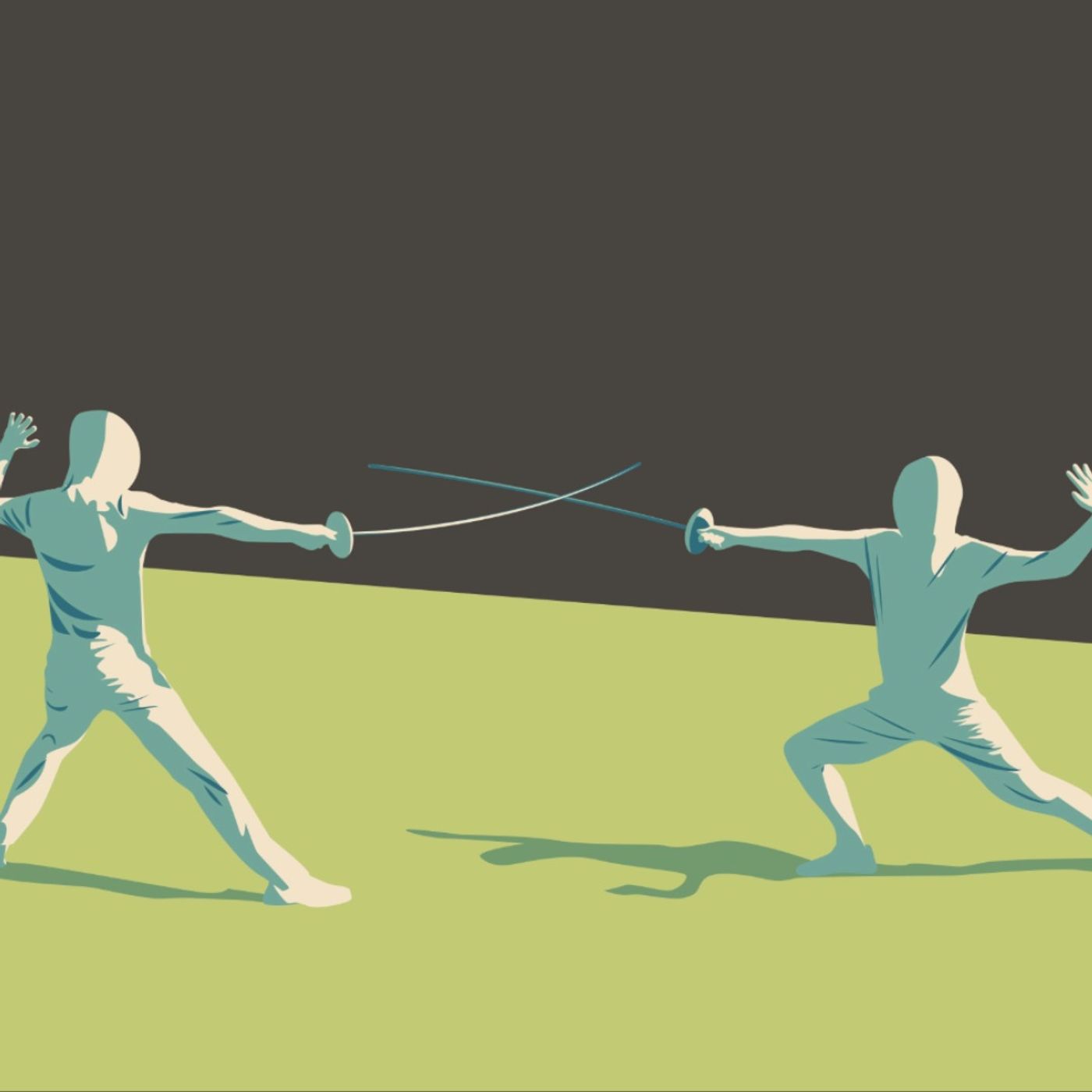
In difficult discussions, choosing not to respond is a powerful tool. It serves as a boundary on yourself to prevent a reactive, unhelpful comment and is a conscious choice when you recognize a conversation is unproductive. It's about control, not passivity.
When you suppress an emotion, you physically jam an energetic pattern into your body. Over time, this creates tight, compressed areas—'lock boxes'—that can lead to chronic pain, postural issues, and shallow breathing. This physical blockage also disconnects you from your body, trapping you in your mind.
