Get your free personalized podcast brief
We scan new podcasts and send you the top 5 insights daily.
The idea of seizing Iran's highly enriched uranium is misleadingly framed as a 'raid.' In reality, it would require the largest airborne operation in history, attacking three distinct sites simultaneously to maintain surprise. The sheer scale and complexity make it a nearly impossible military feat.

Related Insights
The most critical failure of the U.S. strategy is losing visibility of Iran's nuclear material—enough for 16 bombs. This intelligence gap is the primary driver for conflict escalation, pushing the U.S. towards riskier options like ground invasion to regain control.

Before the conflict, Iran maintained a "credible but not actual" nuclear program as a deterrent. By assassinating the supreme leader and launching an air war, the US has proven this strategy insufficient, forcing Iran to pursue an actual nuclear weapon for survival.

The administration aggressively talks about regime change, making promises to the Iranian opposition. However, the military actions and follow-up policies are not scaled to achieve this ambitious goal, creating a strategic disconnect that undermines the operation's credibility and clarity of purpose.

A clean, external removal of Iran's leadership, similar to what occurred in Venezuela, is unlikely. Iran's population is nearly four times larger, it is geographically distant, and the American political psyche associates the Middle East with costly military entanglements, creating a much higher barrier to intervention.

While a ground invasion is unlikely, a potential US military strategy involves a direct assassination attempt on Iran's Supreme Leader, Ayatollah Khamenei. This high-risk decapitation strike aims to destabilize the regime's core, but the effect on the cohesion of its security forces is completely unpredictable.
Despite overwhelming military force, the US lacks a clear, singular objective in its war with Iran. With at least five distinct goals—from targeting nuclear and missile programs to regime change and settling historical scores—it's unclear what constitutes victory, making the application of force dangerously unfocused.
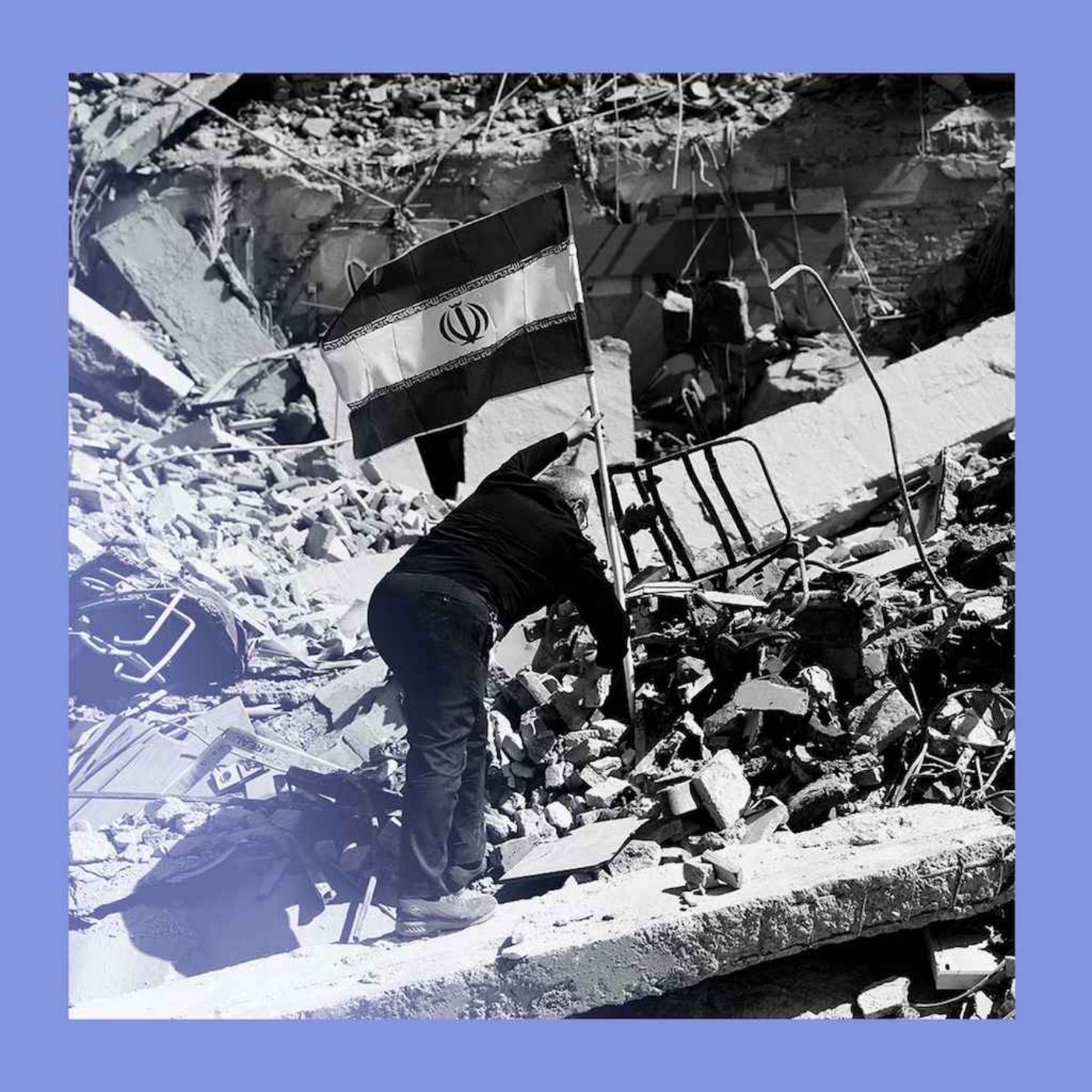
The multi-stage Iran hostage rescue mission, involving different aircraft, desert landings, and covert teams, was so intricate that it lacked resilience. A few predictable setbacks, like a sandstorm and mechanical failures, caused the entire high-stakes plan to collapse.

The hope that airstrikes can catalyze a popular uprising for regime change is historically unfounded. Unlike in Afghanistan or Libya where local ground forces existed, there is no organized army on the ground in Iran to capitalize on air power, making a decapitation strategy highly unlikely to succeed.
Iran's military is split into 31 provincial commands with pre-authorized launch orders. This structure makes it resilient to leadership assassinations, as there's no central "kill switch," complicating any military exit strategy for opposing forces.

Previously a remote possibility, direct military intervention in Iran creates a scenario where an unconditional surrender is demanded. This leaves Iran with little to lose, making the use of a nuclear weapon a logical defensive step, likely delivered via a cargo ship to a major US port.