Get your free personalized podcast brief
We scan new podcasts and send you the top 5 insights daily.
While a ground invasion is unlikely, a potential US military strategy involves a direct assassination attempt on Iran's Supreme Leader, Ayatollah Khamenei. This high-risk decapitation strike aims to destabilize the regime's core, but the effect on the cohesion of its security forces is completely unpredictable.

Related Insights
The US raid to capture Venezuela's president has sparked talk within Iran's elite about a similar "solution": removing Supreme Leader Khamenei to appease protestors and preserve the system, rather than allowing it to collapse entirely under external and internal pressure.
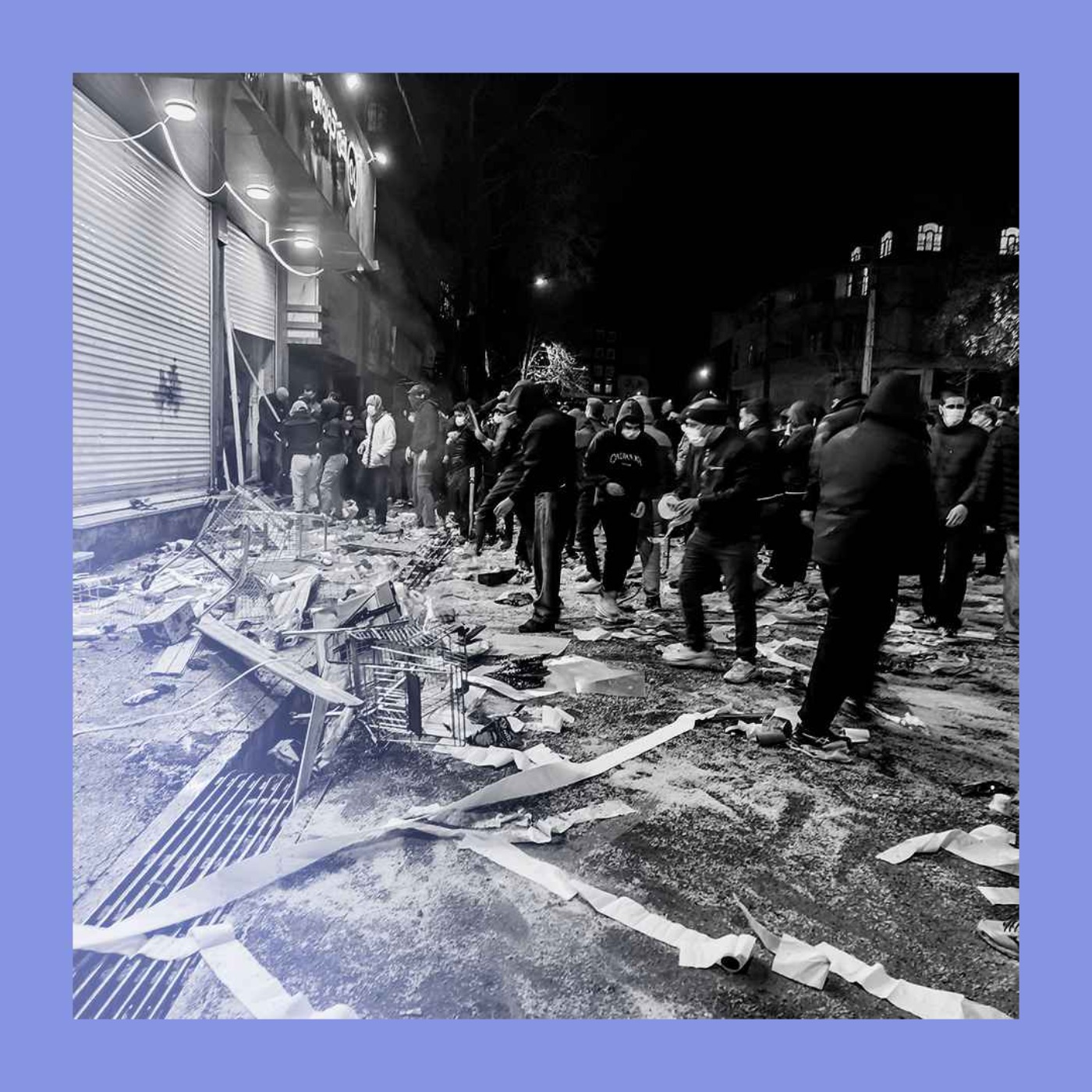
Fears of a US-Iran conflict disrupting oil flows are overstated. Any potential US military action would likely be designed to be 'surgical' to specifically avoid Iran's oil infrastructure, as the administration's priority is preventing economic shocks and energy price hikes ahead of elections.

The Islamic Revolutionary Guard Corps (IRGC) has eclipsed the clergy, controlling major political and economic institutions. Ayatollah Khamenei maintains power through a symbiotic relationship with the IRGC, leveraging their military and economic might, rather than just religious authority.

Iran is at a critical inflection point as its aging and ill Supreme Leader, Ayatollah Khamenei, has no clear successor. The constitutional requirements for the role were tailored specifically for his predecessor, Khomeini. With no one in the wings who meets the criteria, the country faces significant instability upon his death.

A clean, external removal of Iran's leadership, similar to what occurred in Venezuela, is unlikely. Iran's population is nearly four times larger, it is geographically distant, and the American political psyche associates the Middle East with costly military entanglements, creating a much higher barrier to intervention.

The public threats of a military strike against Iran may be a high-stakes negotiating tactic, consistent with Trump's style of creating chaos before seeking a deal. The goal is likely not war, which would be politically damaging, but to force Iran into economic concessions or a new agreement on US terms.

While the operation occurred in Venezuela, its primary psychological impact may be on Iran. The Iranians are reportedly "terrified," viewing the successful removal of a hostile leader as a direct threat and a plausible preview of future U.S. action against them.

A U.S. military strike to remove Ayatollah Khamenei is unlikely to help protesters. Analysis suggests it would more likely result in the Revolutionary Guard seizing control or other regime remnants continuing the fight, ultimately failing to satisfy the opposition and potentially worsening the civil conflict.
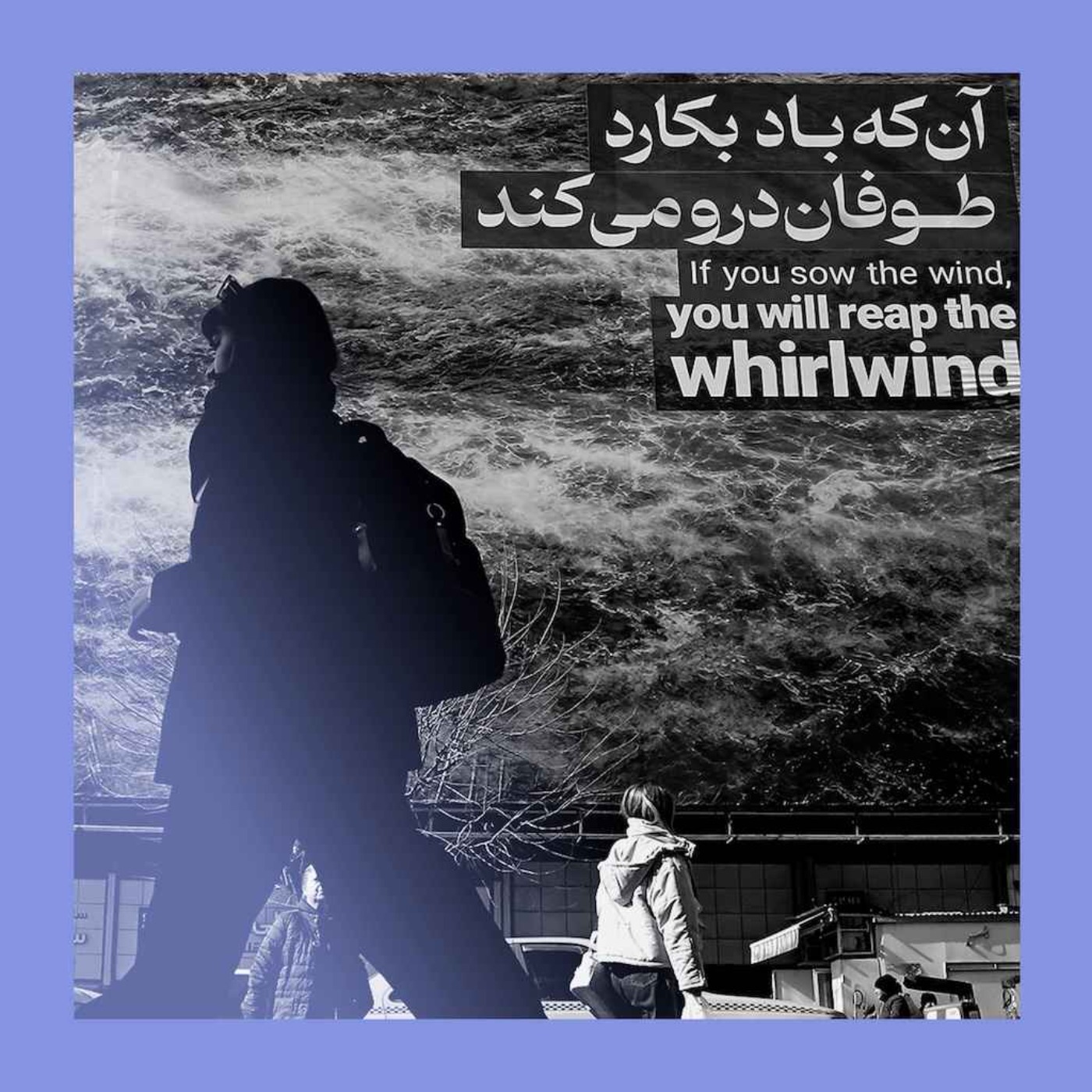
Despite widespread internal protests and instability, history shows that an external attack is one of the few things that can unify the Iranian population. A potential Israeli strike, meant to weaken the regime, could backfire by creating a 'rally 'round the flag' effect that shores up support for the Ayatollah.
Unlike nascent revolutionary states that rally against foreign attacks, late-stage dictatorships are weakened by military defeats. Iran's recent humiliations by Israel and the US have exposed incompetence and eroded the public's perception of strength, fueling protests and accelerating the regime's demise.