Get your free personalized podcast brief
We scan new podcasts and send you the top 5 insights daily.
The most critical failure of the U.S. strategy is losing visibility of Iran's nuclear material—enough for 16 bombs. This intelligence gap is the primary driver for conflict escalation, pushing the U.S. towards riskier options like ground invasion to regain control.

Related Insights
Constant military pressure and assassinations remove any disincentive for Iran to pursue nuclear weapons. When a regime is already being attacked, acquiring a nuclear deterrent becomes its most logical and effective path to survival, mirroring North Korea's strategy.
If the U.S. bombing campaign had successfully eliminated Iran's nuclear program, there would be no reason to negotiate. The fact that talks occurred immediately after the strikes was a clear, albeit subtle, indicator that the core objective—securing the nuclear material—had not been met.
The CIA has been significantly degraded, with estimates suggesting 65% of its intelligence now comes from foreign allies. For Iran specifically, the US is highly dependent on Israel's superior intelligence network, raising questions about whether Israeli interests are directing US military actions.

The administration sent deeply contradictory messages about Iran's nuclear capabilities. One official claimed Iran was a week from a bomb's worth of uranium, while Trump himself said the program was "blown to smithereens." This strategic ambiguity or internal division makes it impossible to discern a coherent policy or the true urgency of the threat.

The targeted Iranian supreme leader had issued two religious edicts (fatwas) against developing nuclear weapons. His assassination removed this key restraint and installed his more aggressive son, who has not issued similar edicts, thereby inadvertently accelerating the nuclear threat.
Despite overwhelming military force, the US lacks a clear, singular objective in its war with Iran. With at least five distinct goals—from targeting nuclear and missile programs to regime change and settling historical scores—it's unclear what constitutes victory, making the application of force dangerously unfocused.
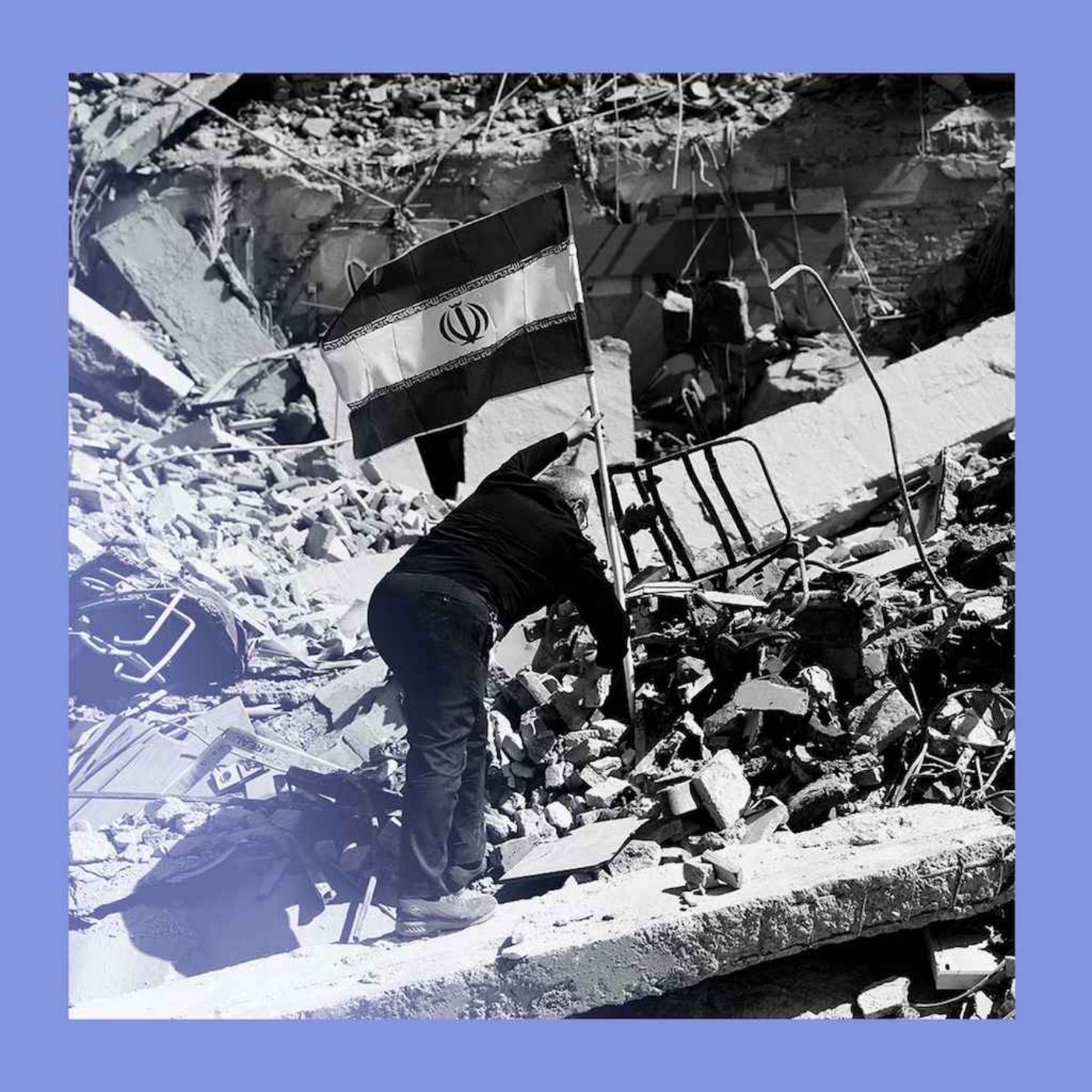
President Trump and his administration are sending contradictory signals on the Iran conflict, simultaneously claiming it is 'very complete' while also preparing for further action. This inconsistency confuses markets and allies, pointing to a severe lack of a coherent and unified strategy within the administration.

Iran is caught in a strategic dilemma: claiming to be close to a nuclear weapon invites a preemptive US strike, while admitting weakness could embolden internal protest movements. This precarious balance makes their public statements highly volatile and reveals a fundamental vulnerability.

Iran's goal isn't a surprise attack, but achieving nuclear immunity. This involves developing several bombs at once, then conducting a series of public tests to demonstrate a robust and survivable nuclear capability, thereby preventing preemptive strikes, as North Korea successfully did.
The US and Israel are operationally successful in degrading Iran's military capabilities. However, leadership has failed to articulate a coherent strategic objective for the war, making it difficult to define victory or know when the conflict will end.