Get your free personalized podcast brief
We scan new podcasts and send you the top 5 insights daily.
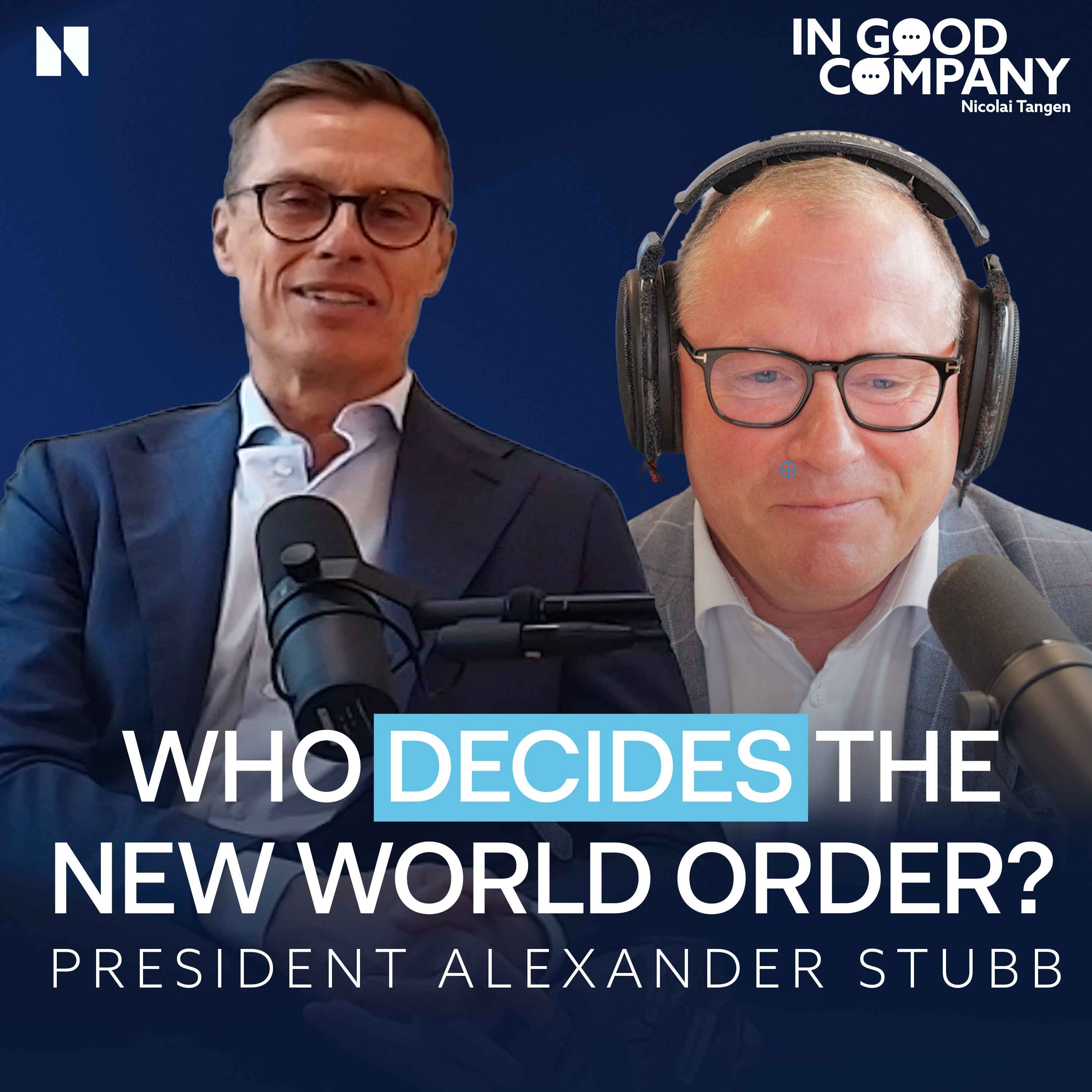
For a small country like Finland with limited hard power, a leader's effectiveness comes from influence. President Stubb's strategy is to build this influence through information, which he gathers from extensive personal networks. This makes personal relationships a core diplomatic function.
Related Insights
The Finnish political system splits duties: the PM runs domestic policy, while the President runs foreign policy. The President, however, wields significant domestic influence as a "value leader," using their "megaphone" to shape national conversations on values and ethics without direct power.
A small country's diplomat cannot simply ask for support. To be effective, they must first understand the challenges of the larger power, find areas of alignment, and only then raise their own national issue. This builds rapport and demonstrates value.

To manage global shifts, Alexander Stubb advocates for reforming institutions like the UN Security Council to give rising nations more power. This strategy aims to secure their buy-in for a rules-based system, arguing it's more stable than building separate alliances of middle powers outside of existing frameworks.

Finland's president explains that the US can entertain a "multipolar" world of transactional deals because of its immense power. In contrast, smaller nations like Finland depend on a "multilateral," rules-based order for their security and prosperity. For them, multilateralism is not a choice but a geopolitical necessity.
Finland's president reveals that direct texting with counterparts like Donald Trump has become a key diplomatic tool. It allows for rapid information sharing, giving smaller nations influence. This creates a faster, more personal diplomatic web, but it is also fraught with risk, as informality can lead to public leaks and misinterpretations.
For smaller entities lacking traditional power, information becomes the key currency. By building informal networks and gathering unique insights, they can inform larger players or act as matchmakers. This strategy allows them to gain influence and a seat at the table disproportionate to their size.

Personal trust built over years allows military leaders to accurately interpret foreign partners' actions for US policymakers. This provides a layer of nuance regarding intent and goals that raw intelligence cannot capture, shaping more effective high-stakes policy.

The influence of powerful groups stems from a simple principle: people do business with those they spend time with. Power is a web of personal relationships and shared economic interests, not a mystical, grand conspiracy.

Informal settings like a golf course can reveal a person's true character more effectively than formal meetings. Sharing an activity where individuals struggle and react to success and failure builds rapport and trust, which is invaluable in diplomacy and business.
A core element of Trump's worldview is the belief that global affairs can be managed through personal relationships and deals between powerful leaders, bypassing institutions. This 'great power condominium' approach explains his attempts to charm leaders like Putin and Xi, believing his personal diplomacy can resolve complex structural issues.