Get your free personalized podcast brief
We scan new podcasts and send you the top 5 insights daily.
Christie’s frequent use of contained settings like country houses or trains is key to her appeal. These "bounded" environments not only make every character a suspect but also allow for a definitive resolution where order is fully restored, a contrast to modern thrillers where threats are merely contained.

Related Insights
To make early novels feel like true accounts, authors like Jane Austen used em dashes to redact sensitive information like names or locations. This stylistic choice mimicked protecting real identities, adding a layer of authenticity and intrigue for readers.

The art of great storytelling lies not just in the conclusion but in the skill of prolonging the journey. The creator knows the ending but strategically uses red herrings and tension to keep the audience engaged and away from the truth for as long as possible.

According to Lionel Shriver, a novelist's task is not to reinforce beliefs but to plant a seed of doubt. By presenting a compelling alternative reality, fiction can contaminate a reader's innocent assumptions and force them to contend with complexity, splitting their perspective.

The dramatic tension in 19th-century novels hinges on the near-impossibility of divorce. Marriage was an irreversible, high-stakes decision, making courtship the central drama. The speaker jokes that while liberal divorce laws benefited society, they were "very bad for the English novel" because they removed this fundamental, life-altering conflict.
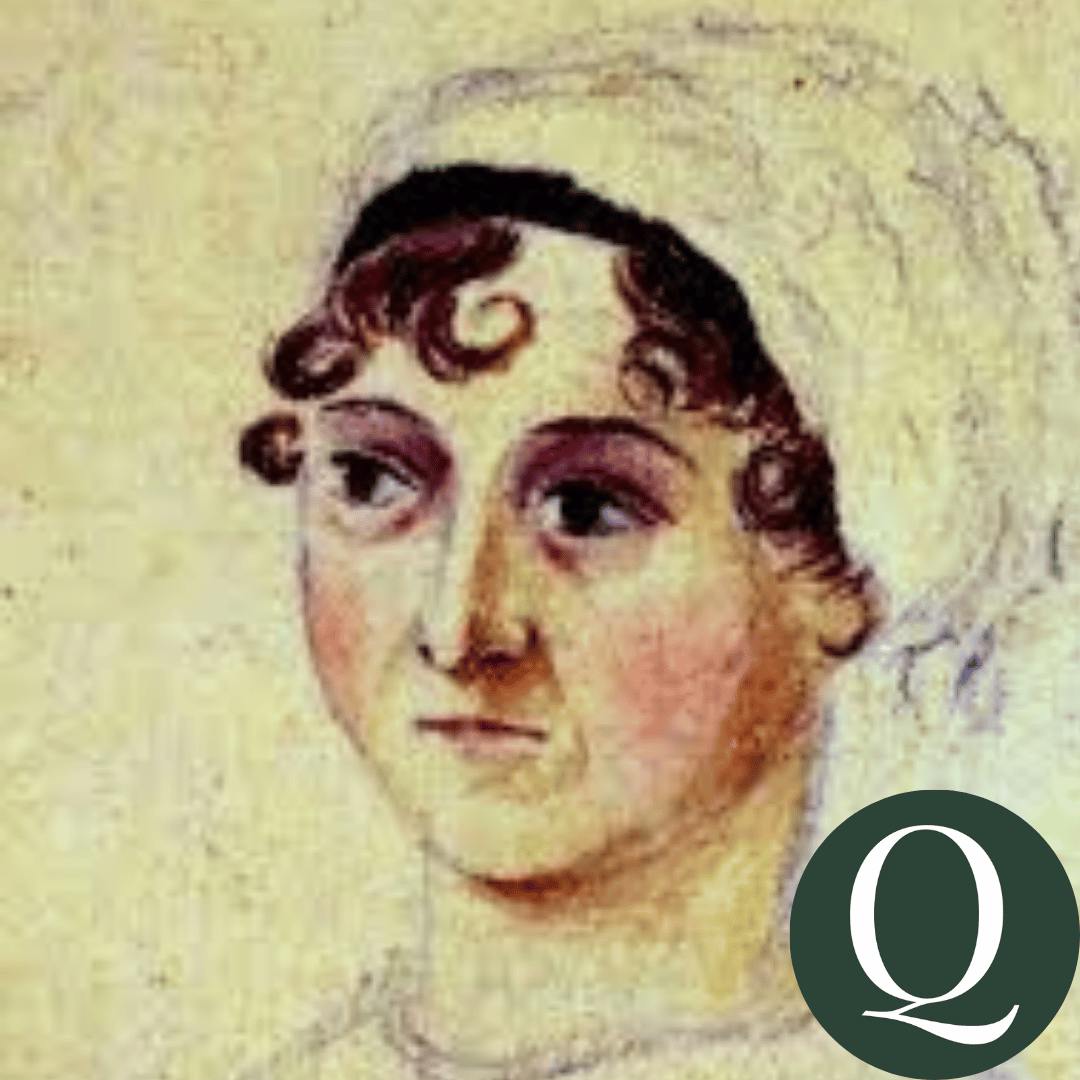
Despite her reputation for conservative subject matter, Austen's technical audacity was unprecedented. She introduced narrative techniques like free indirect style to English fiction, making her a true experimental writer of her time, developing these innovations in isolation without a literary community for feedback.
As demonstrated by Richard Feynman's letter to his wife, revealing a crucial piece of information late in a narrative—in this case, that she is deceased—can fundamentally reframe the entire story for the audience. This 'twist' creates a powerful emotional payload that wouldn't exist if the information were presented upfront.

Author Lionel Shriver prefers writing in "Third-Person Limited" (seeing the world through one character's eyes) because it replicates the human condition. We are trapped in our own heads and must interpret others based on external evidence, making this narrative style deeply realistic.
The author uses the high-interest genre of true crime to tell a more complex and urgent story about environmental pollution. By embedding environmental history within a serial killer narrative, she engages a broader audience that might otherwise ignore the underlying message about public health and industrial toxins.
The romantic image of the Brontes as isolated figures on the moors is misleading. Their household subscribed to literary journals, and their childhood fantasy worlds were set in locations like the Pacific and featured contemporary figures like the Duke of Wellington, revealing their engagement with global affairs.
A story's core mechanic for engagement is not just emotion, but the constant betrayal of the audience's expectations. People are drawn to narratives, jokes, and songs precisely because they want their predictions about what happens next to be wrong. This element of surprise is what makes a story satisfying and compels an audience to continue.