Get your free personalized podcast brief
We scan new podcasts and send you the top 5 insights daily.
The romantic image of the Brontes as isolated figures on the moors is misleading. Their household subscribed to literary journals, and their childhood fantasy worlds were set in locations like the Pacific and featured contemporary figures like the Duke of Wellington, revealing their engagement with global affairs.

Related Insights
Emily Bronte's confusing use of repeated names (e.g., Catherine and Cathy) is a deliberate literary device, not lazy writing. This "compulsive repetition" functions like a Greek tragedy, trapping characters in dark cycles of hatred and obligation that are passed down through generations.
18th-century novels created a new literary form that explored the passions and ordinary lives of individuals. This cultural shift elevated the private sphere, previously considered unimportant, into a subject of value, fascination, and social anxiety.

Major philosophical texts are not created in a vacuum; they are often direct products of the author's personal life and historical context. For example, Thomas Hobbes wrote 'Leviathan,' which argues for an authoritarian ruler, only after fleeing the chaos of the English Civil War as a Royalist. This personal context is crucial for understanding the work.

Contrary to being escapist, the best fantasy literature, from Tolkien to L'Engle, uses imaginary worlds to explore complex real-world issues like war, environmentalism, and social conformity. This fictional distance allows authors to make profound statements and challenge readers' assumptions without being preachy.

Despite her reputation for conservative subject matter, Austen's technical audacity was unprecedented. She introduced narrative techniques like free indirect style to English fiction, making her a true experimental writer of her time, developing these innovations in isolation without a literary community for feedback.
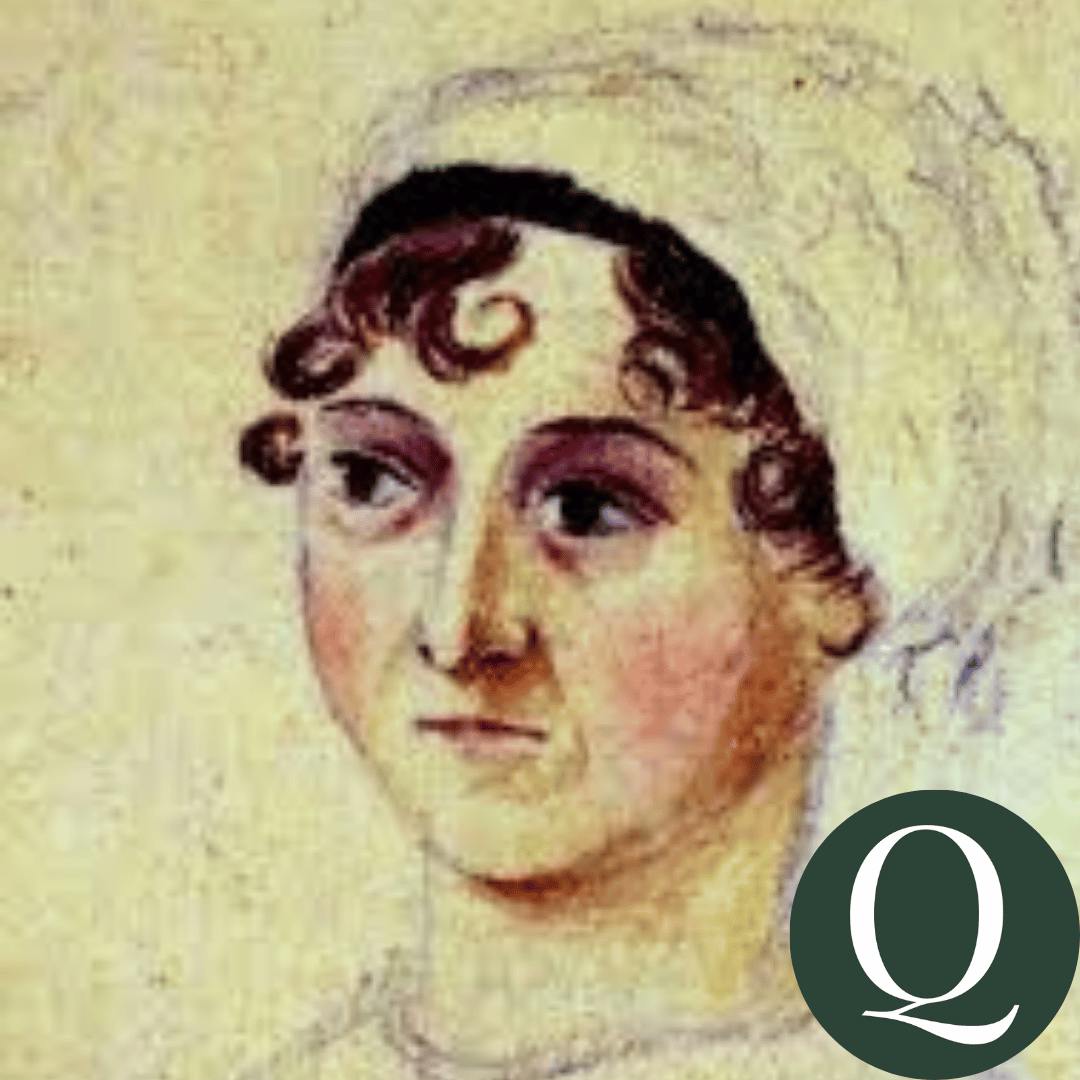
Contrary to her modern image, Emily Bronte was described as difficult, antisocial, and held conservative "high Tory" political views. She was reportedly snobbish, unfashionable, and even violent, a complex personality that resists easy categorization as a proto-feminist hero.
Virginia Woolf’s "A Room of One's Own" shifted the conversation about women in literature from abstract potential to concrete necessities. She argued that financial independence and a private space are the fundamental prerequisites for creative work, a practical reality often ignored in high-minded literary discourse.

Unlike other historical figures with single-minded purpose, Mark Twain was disorganized and called himself lazy. His immense creativity was not driven by a clear goal but by a "manic" energy and a love for what he called "notoriety and notice." This challenges the stereotype that great achievement requires rigid discipline.

While artifacts show what ancient people built, literature reveals how they thought and felt. It operates in a fourth dimension—time—allowing us to connect directly with the consciousness of individuals from vastly different eras, like ancient Egyptians or Aztecs, and understand their worldview from the inside.
Despite popular perception, often shaped by film adaptations, Emily Bronte's novel is not a traditional love story. At its core, it is a shockingly violent and complex narrative about cycles of vengeance, abuse, and obsession, more akin to a Greek tragedy than a romance.