Get your free personalized podcast brief
We scan new podcasts and send you the top 5 insights daily.
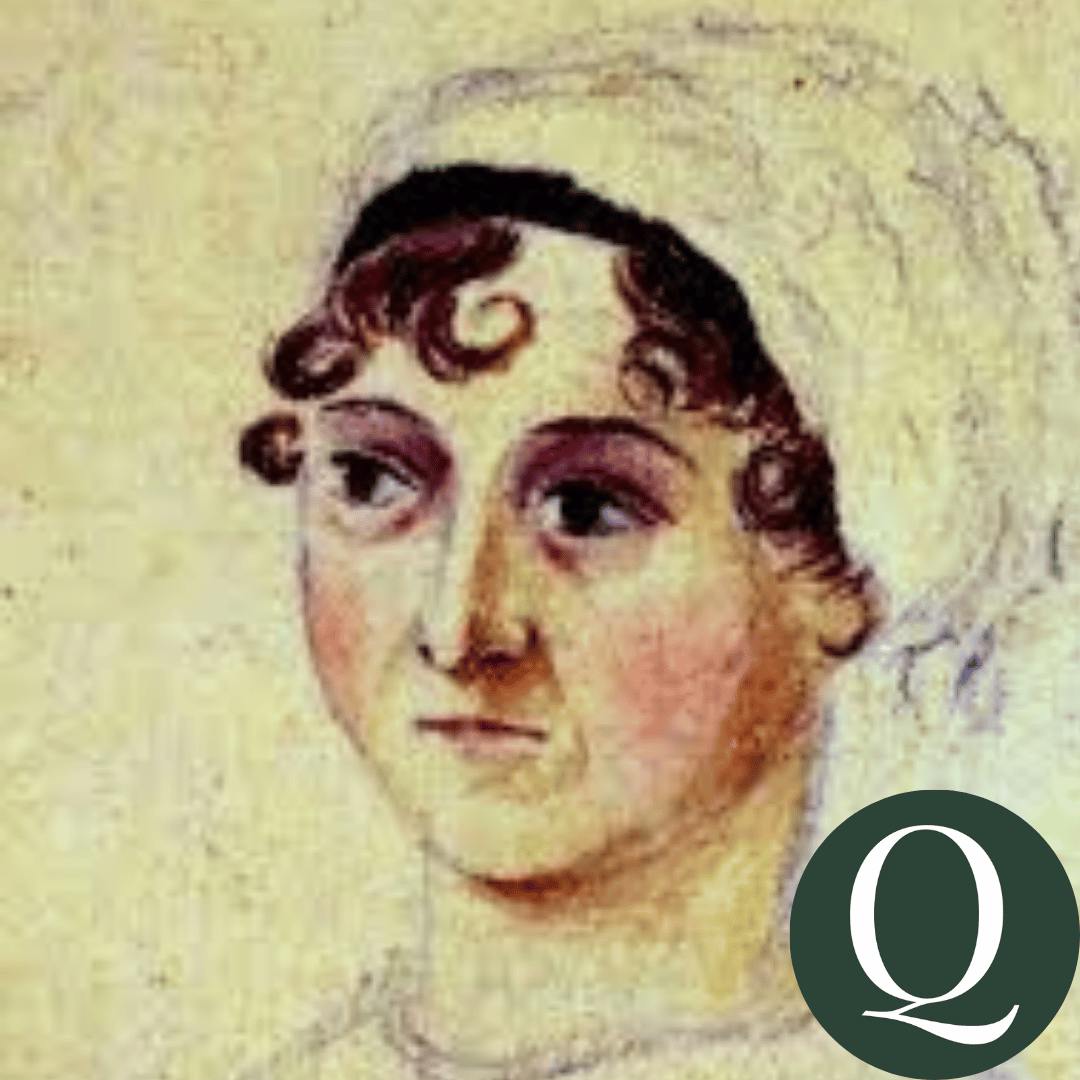
To make early novels feel like true accounts, authors like Jane Austen used em dashes to redact sensitive information like names or locations. This stylistic choice mimicked protecting real identities, adding a layer of authenticity and intrigue for readers.

Related Insights
In response to the em dash's association with AI, an agency created the "Am-dash"—a stylized dash. By using this new, rare mark via custom fonts like "Times New Human," writers can symbolically signal their work is human-authored, as LLMs are statistically unlikely to generate it.
OpenAI has publicly acknowledged that the em-dash has become a "neon sign" for AI-generated text. They are updating their model to use it more sparingly, highlighting the subtle cues that distinguish human from machine writing and the ongoing effort to make AI outputs more natural and less detectable.

Famous opening lines like 'It is a truth universally acknowledged...' are not the author's voice but an ironic representation of a small community's foolish consensus. These authoritative statements are almost always questionable or wrong, a device Austen uses to critique social gossip and groupthink.
Medium's platform automatically converted double hyphens to em dashes for years, a stylistic preference of founder Evan Williams. This saturated its content with the punctuation mark, causing AI models trained on its vast corpus to replicate this quirk, effectively becoming a "tell" for AI-generated text.
Long before the em dash became associated with AI, it was criticized by literary figures for overuse. Jonathan Swift mocked it in the 18th century, and Lord Byron was panned for it in the 19th, showing a long history of grammatical purists viewing the mark as lazy.
Austen pioneered the 'free indirect style,' where the third-person narrative adopts a character's thoughts, feelings, and—crucially—their delusions. This forces the reader to actively distinguish a character's biased perspective from reality, a technique used powerfully to show internal conflict in novels like 'Persuasion' and 'Emma.'
Despite her reputation for conservative subject matter, Austen's technical audacity was unprecedented. She introduced narrative techniques like free indirect style to English fiction, making her a true experimental writer of her time, developing these innovations in isolation without a literary community for feedback.
In a move of supreme confidence, Austen sometimes concludes a chapter with a definitive statement from a character's perspective that the reader must discern is completely false. The line 'Her power with him was gone forever' in 'Persuasion' is the opposite of the truth, a trick that rewards attentive readers.
The tendency for AI models to overuse em dashes may stem from their training data. To expand their knowledge, companies digitized millions of older books, including 19th-century classics where dash usage was at its historical peak. The models simply adopted this stylistic habit.
Once a staple of human literary expression, the em dash is now often perceived as a sign of AI-generated content. This shift has led to writers, like journalist Brian Vance, being wrongly accused of using AI, highlighting a new form of digital misinterpretation.