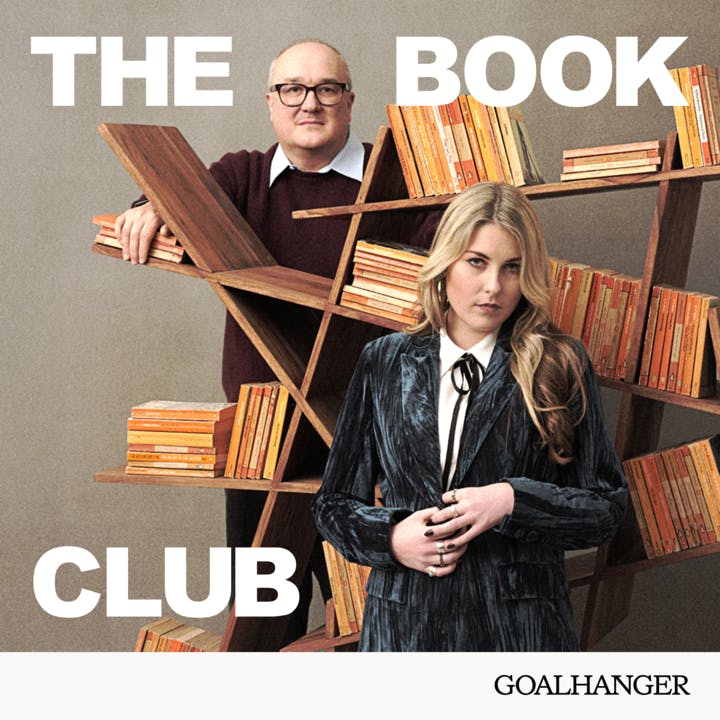
Before launching "The Book Club" as a standalone show, the creators tested the concept as a bonus series for their existing paid "Rest Is History Club" members. The overwhelmingly positive reaction validated the idea and provided an initial audience, de-risking the public launch.
Despite popular perception, often shaped by film adaptations, Emily Bronte's novel is not a traditional love story. At its core, it is a shockingly violent and complex narrative about cycles of vengeance, abuse, and obsession, more akin to a Greek tragedy than a romance.
Emily Bronte's confusing use of repeated names (e.g., Catherine and Cathy) is a deliberate literary device, not lazy writing. This "compulsive repetition" functions like a Greek tragedy, trapping characters in dark cycles of hatred and obligation that are passed down through generations.
The romantic image of the Brontes as isolated figures on the moors is misleading. Their household subscribed to literary journals, and their childhood fantasy worlds were set in locations like the Pacific and featured contemporary figures like the Duke of Wellington, revealing their engagement with global affairs.
Contrary to her modern image, Emily Bronte was described as difficult, antisocial, and held conservative "high Tory" political views. She was reportedly snobbish, unfashionable, and even violent, a complex personality that resists easy categorization as a proto-feminist hero.
"The Book Club" podcast is designed for two audiences simultaneously. For those who've read the book, it's an enjoyable conversation. For those who haven't, the hosts have "done the reading for you," allowing listeners to appear well-read. This broadens the potential audience beyond just avid readers.