Get your free personalized podcast brief
We scan new podcasts and send you the top 5 insights daily.
The Tim Hortons CMO views her personal brand not as a passive trait but as a conscious leadership choice, focusing on being empathetic while projecting confidence. She maintains this through dedicated self-reflection during activities like exercise and playing piano, ensuring her actions consistently align with her stated values.

Related Insights
Personal branding isn't just about being seen; it's about being found when potential clients are looking. The speaker presents a clear progression: a strong brand creates visibility, which in turn leads to findability online. In today's market, if you are not findable, you are forfeiting opportunities.

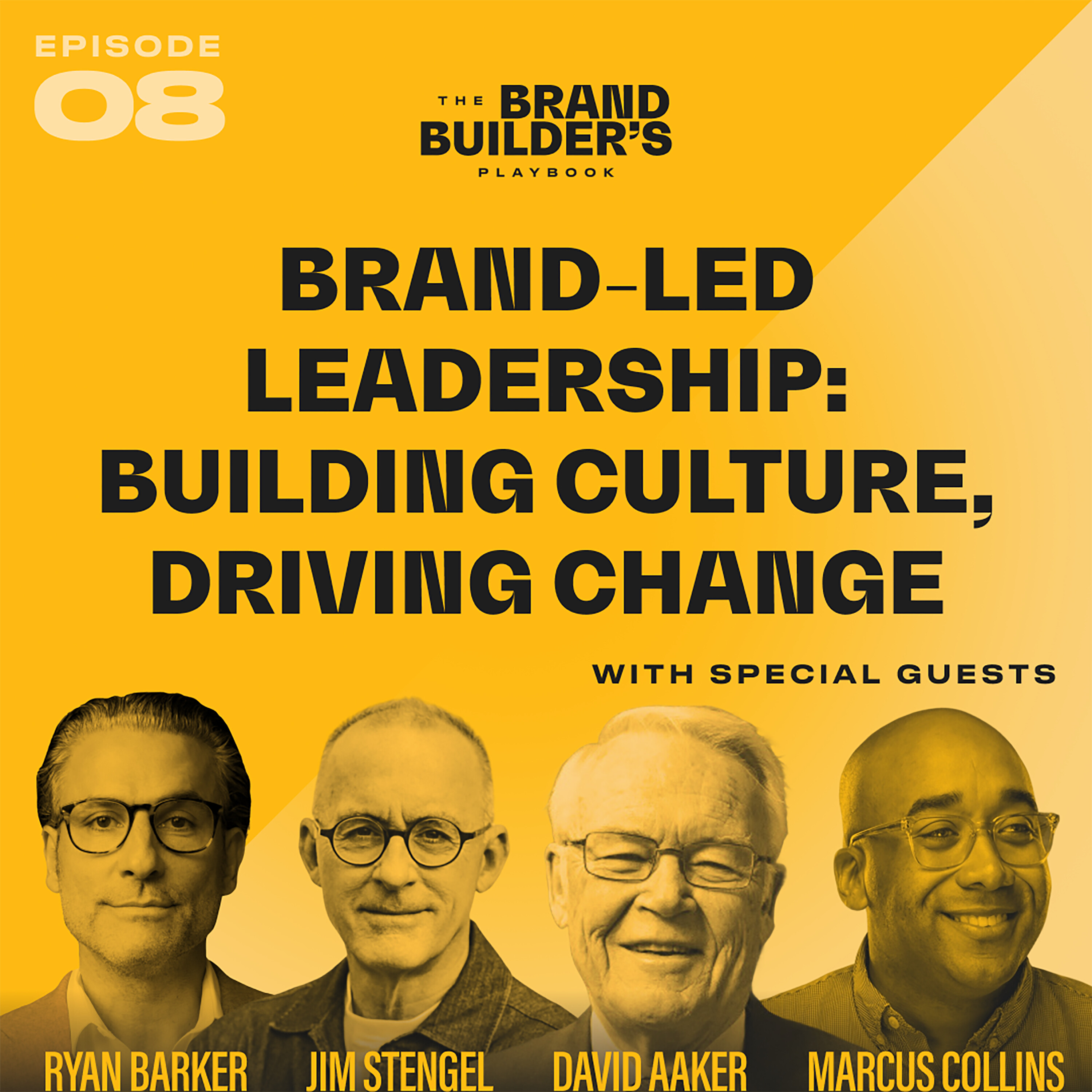
Marketing professor Marcus Collins argues that the true test of brand leadership isn't crafting a purpose statement, but adhering to it when faced with challenges or pressure on shareholder value. Many leaders evangelize their brand's point of view only when convenient, which ultimately undermines authenticity.
Trust is now built through credible personalities, not just branded content. Channels like podcasts and newsletters succeed because they are personality-driven. HubSpot's CEO advises businesses to identify and empower internal figures with high authority to represent the brand.

Reflecting on her growth, Tim Hortons' CMO identifies becoming more patient as her most significant evolution. For ambitious leaders, learning that not everything must be accomplished at once is a crucial shift that improves strategic focus and reduces organizational churn, even if some initiatives remain on the back burner.
Personal branding is not a short-term project; it's the long-term result of consistent actions. However, this hard-earned reputation is fragile and can be instantly destroyed by a single poor decision or inconsistent action. You must consciously play the long game to protect your brand equity.

High achievers operate with a discipline of consistently getting their thoughts and experiences out of their head and into a shareable format. Whether an internal email, a LinkedIn post, or a video, they are constantly asking, "What do I know that needs to get out?" This practice scales their influence and solidifies their status as an expert.

Tim Hortons' CMO embraces the pressure of managing a beloved brand as "positive anxiety." She internalizes the stress while presenting a calm, confident front to her team, similar to a duck serene on the surface but paddling furiously underneath, preventing her stress from impacting team morale.
The nature of marketing has shifted from promoting a faceless corporation to showcasing an authentic founder personality. Companies without an interesting character at the helm are at a disadvantage. This requires leaders to be public figures, as their personal brand, story, and voice are now integral to the company's identity and success.

Communication extends far beyond words. How you carry yourself—your posture, demeanor, and overall presence—is a constant broadcast that communicates your value and influence. Citing WNBA icon Lisa Leslie, Chiney Ogwumike argues this "physical communication" is as critical to one's professional brand as their spoken words.

People connect with humanity, not perfection. True leadership requires understanding your own narrative, including flaws and traumas. Sharing this story isn't a weakness; it's the foundation of the connection and trust that modern teams crave, as it proves we are all human.