Get your free personalized podcast brief
We scan new podcasts and send you the top 5 insights daily.
Ahamed attributes the progressive trajectory of the Ismaili community to a living, visible leader with unquestioned moral authority. Because the Aga Khan actively sets reforms, the community adapts rapidly and collectively without being frozen by traditional doctrinal inertia.

Related Insights
Reform of the Thai monkhood is structurally difficult because of the country's rigid social pyramid. Monks are considered a superior class, just below the king, and it is culturally unacceptable for ordinary people to question them. This social immunity means the only person with the perceived authority to discipline misbehaving monks is the king himself.
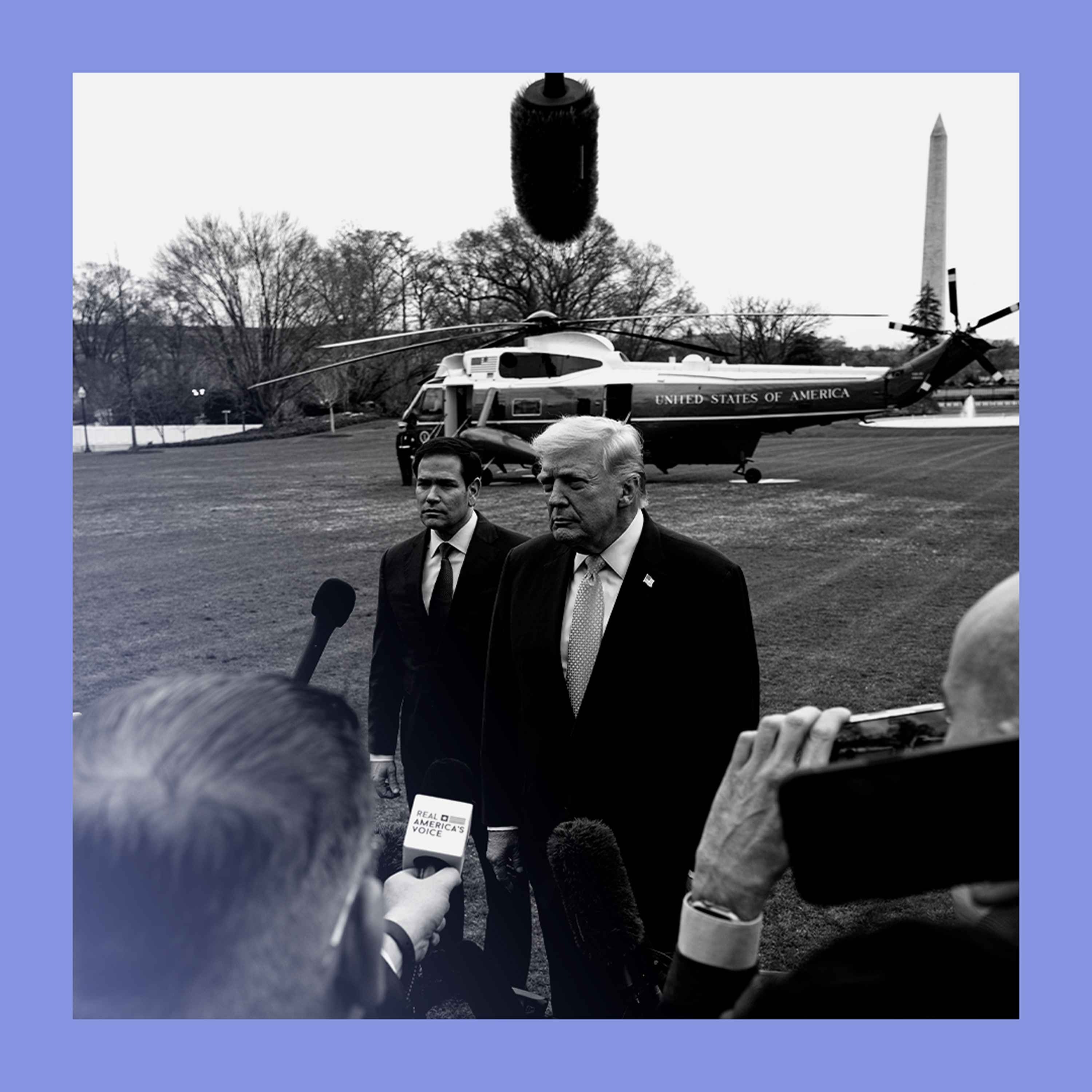
Meaningful reform in Iran is unlikely until the succession of the 86-year-old Supreme Leader is resolved. Deep uncertainty over who will hold power paralyzes the political system, preventing any faction from making significant changes and forcing the country into a holding pattern until the leadership transition occurs.
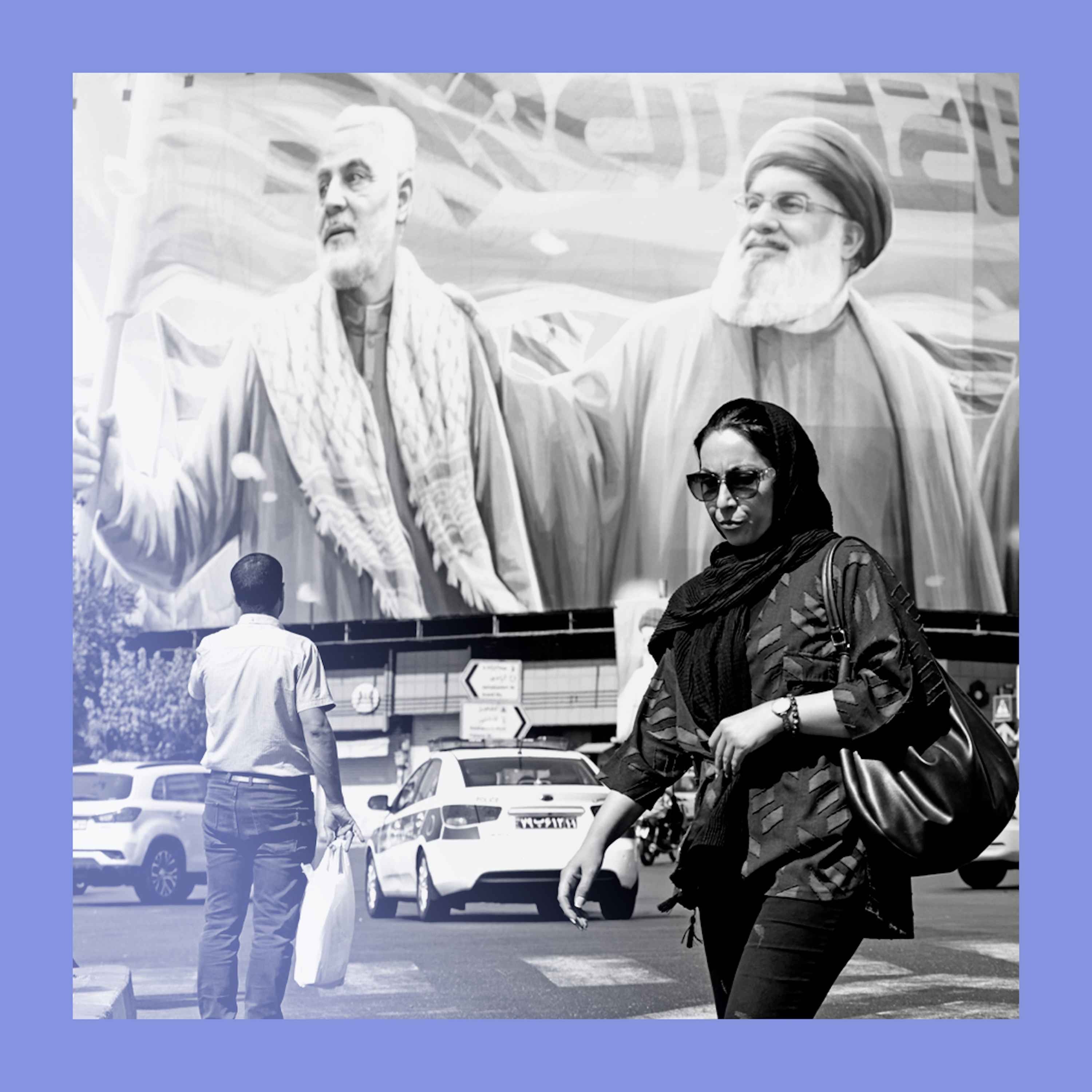
Unlike Christianity, which was reformed by later figures, Islam's core tenet that Muhammad is the final, unchangeable prophet makes it harder to reinterpret texts away from extremism. Because Muhammad was also a military and political leader, his actions provide a scriptural basis for conquest that modern reformists struggle to overcome.

Iran is at a critical inflection point as its aging and ill Supreme Leader, Ayatollah Khamenei, has no clear successor. The constitutional requirements for the role were tailored specifically for his predecessor, Khomeini. With no one in the wings who meets the criteria, the country faces significant instability upon his death.

While appearing as a traditionalist, Khomeini's core concept, the "Guardianship of the Jurist," was a profound theological revolution. It proposed for the first time that clerics should directly rule the state, breaking with centuries of Shiite political quietism. This innovation provided the ideological basis for the new republic.

While some speculated Pope Francis's reformist energy was atonement for his past during Argentina's dirty war, it was more likely driven by a forward-looking goal. His primary motivation was to transform the public image of the Catholic Church from a troubled, rigid institution into a welcoming "place of mercy for everybody," a mission he embodied daily.
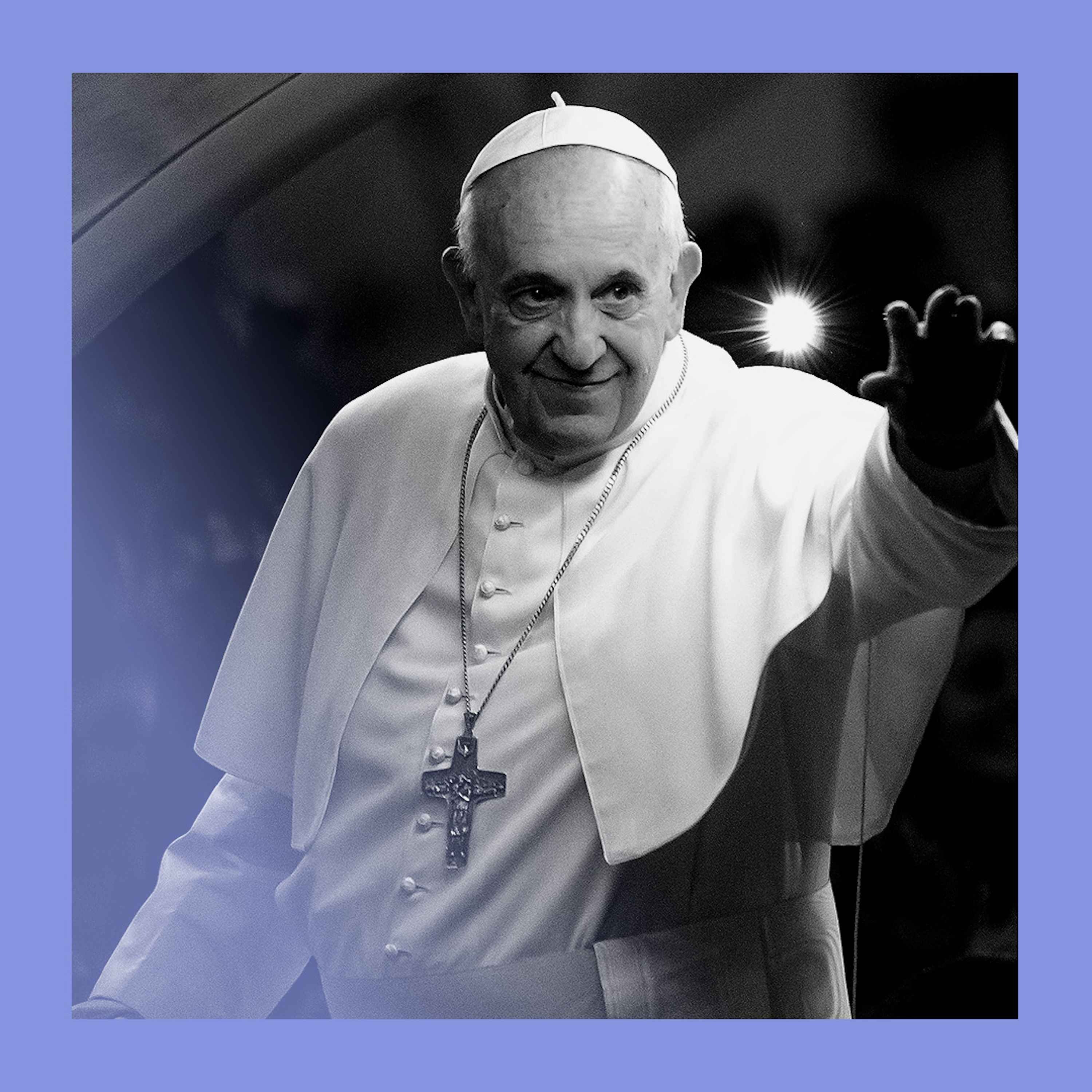
Contrary to the Western assumption that economic development leads to secularism, Muslim-majority nations like Indonesia and Malaysia are becoming more religious. Public piety has evolved into a marker of social status and prestige, a trend amplified by modernization and social media, not diminished by them.

The recent conflict and the death of Ayatollah Khamenei have fast-tracked a predicted power shift within Iran. The Revolutionary Guard and military leadership now hold more influence at the expense of the theological establishment, a change that was expected to take a decade to unfold.

Islam is not merely a set of personal beliefs but a comprehensive political system. Sharia law is not a radical fringe element but the prescriptive, legal application of Islam's core tenets, making the religion inherently political.

Ayatollah Khamenei believes that any attempt at reform, like Gorbachev's in the USSR, would accelerate the regime's collapse rather than prolong it. This formative experience informs his rigid refusal to cede ground on core principles like the mandatory hijab, ensuring a brutal response to dissent.