After achieving national recognition on "America's Got Talent," New York subway busker Alice Tan Ridley returned to performing underground. She discovered that the fame and touring lacked the intimate connection and direct impact she had with commuters, prioritizing personal fulfillment and genuine human interaction over conventional stardom.
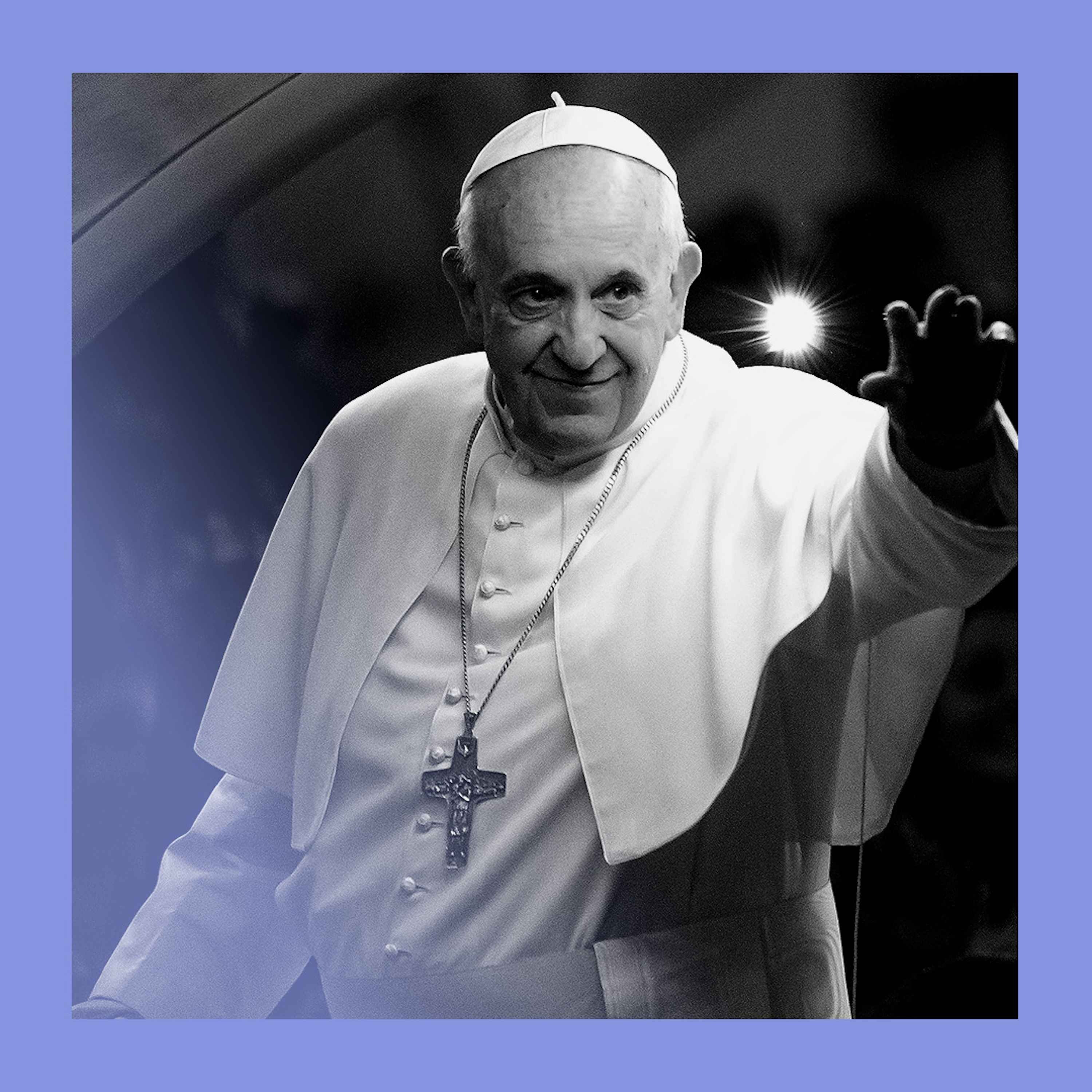
While some speculated Pope Francis's reformist energy was atonement for his past during Argentina's dirty war, it was more likely driven by a forward-looking goal. His primary motivation was to transform the public image of the Catholic Church from a troubled, rigid institution into a welcoming "place of mercy for everybody," a mission he embodied daily.
Martin Graham, a builder with no formal music training, transformed a chicken shed into a respected opera house in the Cotswolds. His motivation was not profit but the artistic and spiritual endeavor of creating a "high temple to culture." His success demonstrates that passion and a willingness to simply "start digging" can overcome a lack of traditional credentials to create something extraordinary.
Charlie Kirk's political power grew by strategically positioning himself as a direct opponent to the "woke movement" and "cancel culture" on college campuses. This narrative was highly effective in persuading conservative donors that his confrontational approach was a necessary fight, turning cultural discourse into a powerful fundraising mechanism.