Get your free personalized podcast brief
We scan new podcasts and send you the top 5 insights daily.
The recent conflict and the death of Ayatollah Khamenei have fast-tracked a predicted power shift within Iran. The Revolutionary Guard and military leadership now hold more influence at the expense of the theological establishment, a change that was expected to take a decade to unfold.

Related Insights
The IRGC increasingly wields the true power in Iran, while the Supreme Leader's role is becoming more symbolic. He serves as a "sacred totem" and a "lightning rod for criticism" but is ultimately a facilitator of IRGC influence rather than a check on its power.
The Islamic Revolutionary Guard Corps (IRGC) has eclipsed the clergy, controlling major political and economic institutions. Ayatollah Khamenei maintains power through a symbiotic relationship with the IRGC, leveraging their military and economic might, rather than just religious authority.
A top UAE diplomat argues that Iran's current leadership is in a state of transition following the death of Ayatollah Ali Khamenei. After 37 years of centralized rule, a power vacuum exists, with different factions now vying for influence, making the system less stable and predictable.
While the previous Supreme Leader's caution kept Iran from weaponizing, his death and the rise of a leader closer to the IRGC increases the likelihood of a push for a nuclear bomb. The new leadership is more risk-tolerant and convinced a nuclear deterrent is necessary for survival.
While Mojtaba Khamenei is now supreme leader, his actual control is questionable. Iran is navigating a wartime transition with leaders in hiding, allowing factions like the Revolutionary Guard to vie for influence and pull the strings, suggesting a period of fragmented authority.
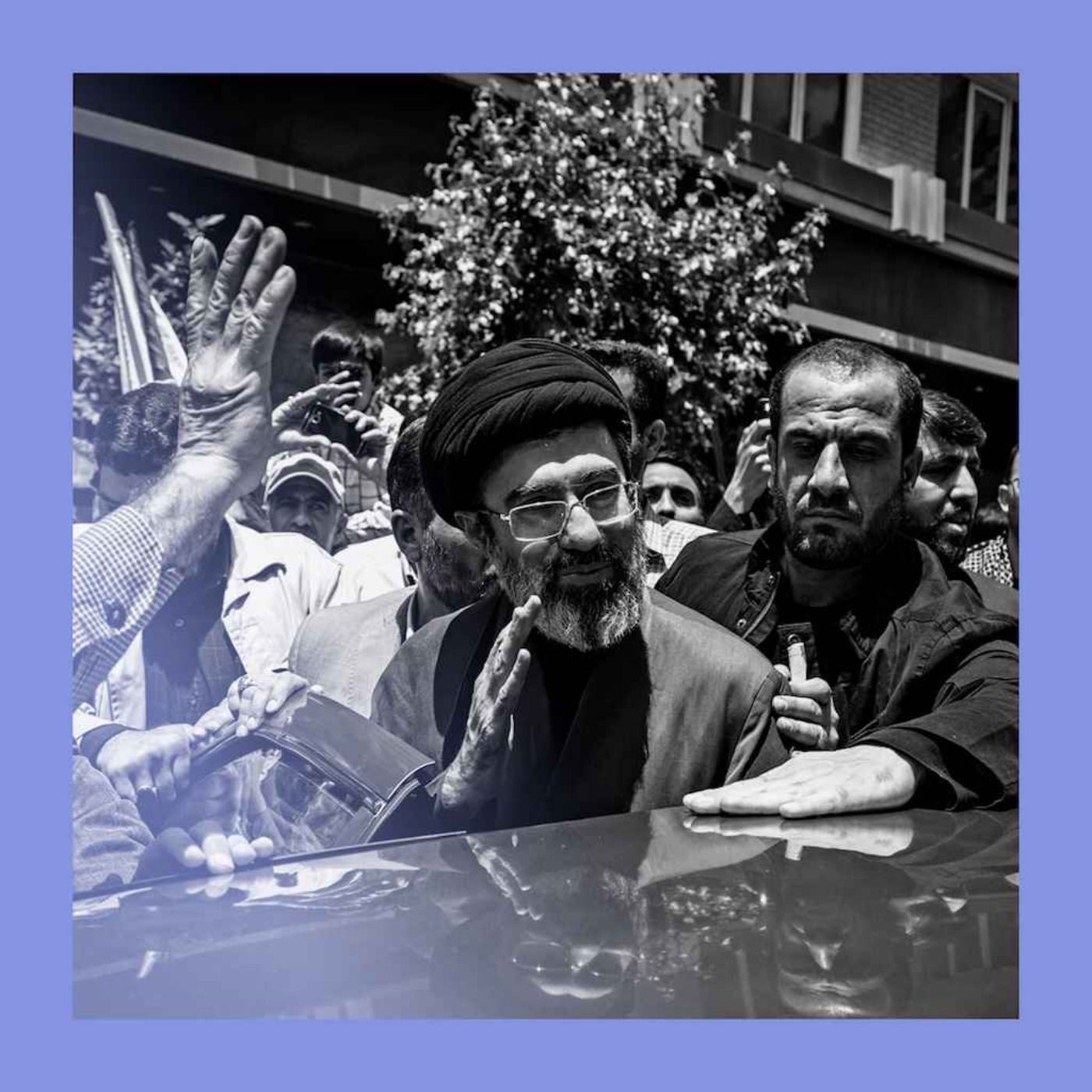
The death of Ayatollah Khamenei has removed a key moderating influence in Iran. The new leadership, euphoric from perceived military successes, is acting impulsively. This reckless system, led by generals, prioritizes projecting strength over the practical necessity of diplomacy to fix a devastated economy, making any negotiated settlement highly unlikely.
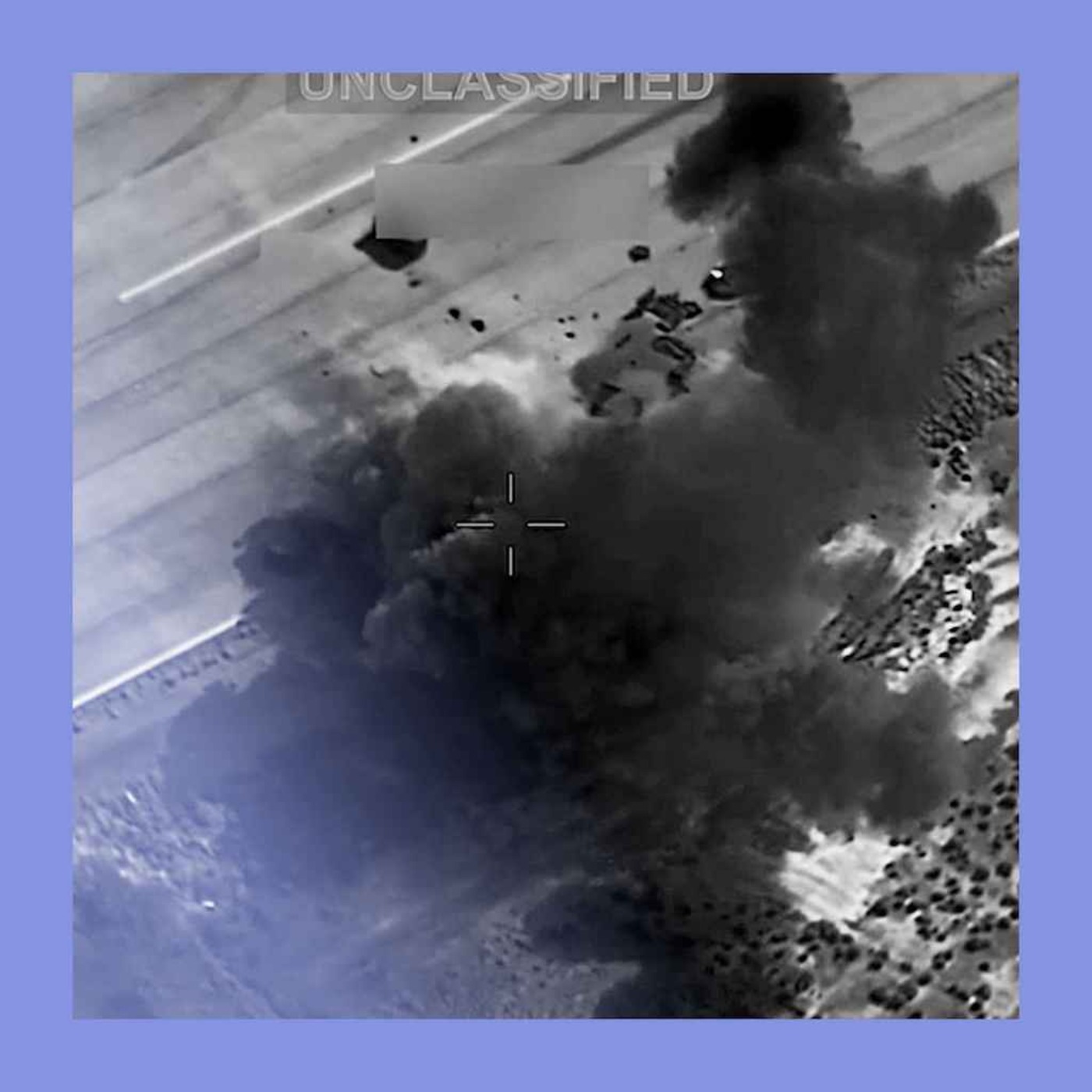
The Islamic Revolutionary Guard Corps (IRGC), Iran's most powerful institution, is the true kingmaker. A Supreme Leader without the IRGC's backing is effectively powerless, regardless of constitutional or religious standing. This makes any assassination of the leader a less effective strategy for regime change.
Iran is transitioning into a 'Third Islamic Republic,' a phase where the military and security bureaucracy, not the clerics, hold dominant power. This shift marks a state where the military elite controls political and economic levers, bringing Ayatollah Khamenei's long-term project to fruition.
The Iranian populace is exhausted with theocratic rule after five decades. Any future authoritarian leader will likely be a product of the intelligence or security services, appealing to nationalism rather than revolutionary ideology. The era of the turban-wearing ruler is over.
A new generation, not the 1979 revolutionaries, now rules Iran. They are bolder, less intimidated by the U.S., and focused on national interest and regional power projection rather than exporting ideology. They are willing to use both aggressive military tactics and high-level diplomacy to achieve their goals.