Get your free personalized podcast brief
We scan new podcasts and send you the top 5 insights daily.
CEO Prem Watsa's salary has been frozen at $600k since 2000 with no bonuses. His main reward is the ~$19 million he earns in dividends from his ~10% ownership. This aligns his pay directly with long-term profitability and shareholder returns, not short-term metrics.

Related Insights
Founder and CEO Michael Kehoe owns a $350M stake in Kinsale. His compensation, and that of his team, is tied to profitability metrics like ROE and combined ratio, not just revenue growth. This creates powerful alignment with long-term shareholder interests.

When Nikesh Arora joined Palo Alto, he didn't ask for a raise. He asked for seven years of the previous CEO's pay ($20M/year) granted upfront as stock with a seven-year vest. This single, long-term grant fully aligned him with shareholder value and simplified future compensation discussions.

Concerns about Vornado controlling Alexander's ($ALX) are mitigated by CEO Steve Roth's incentives. Key executives own ~46% of ALX versus ~10% of Vornado. Roth's personal dividend income from his ALX stake ($12M/year) dwarfs his compensation from the company, suggesting he is highly motivated to maximize ALX's value.

To realign with investors after a 92% stock drop, Applovin's CEO took his first major compensation package. It was structured so he would only get paid if the stock recovered significantly from its all-time low, creating massive personal upside directly tied to shareholder value creation.

Greg Abel’s $25 million flat salary at Berkshire Hathaway works because his alignment stems from his significant personal wealth tied to the company's success. Having invested over $100 million of his own money into Berkshire stock, his motivation is intrinsic ownership, avoiding the short-termism often induced by typical performance-based CEO compensation plans.
Unlike most firms that print new shares, Fairfax buys its stock on the open market for executive grants. These awards have an extremely long vesting schedule (50% in 5 years, 50% in 10), making them non-dilutive and creating powerful long-term alignment with shareholders.
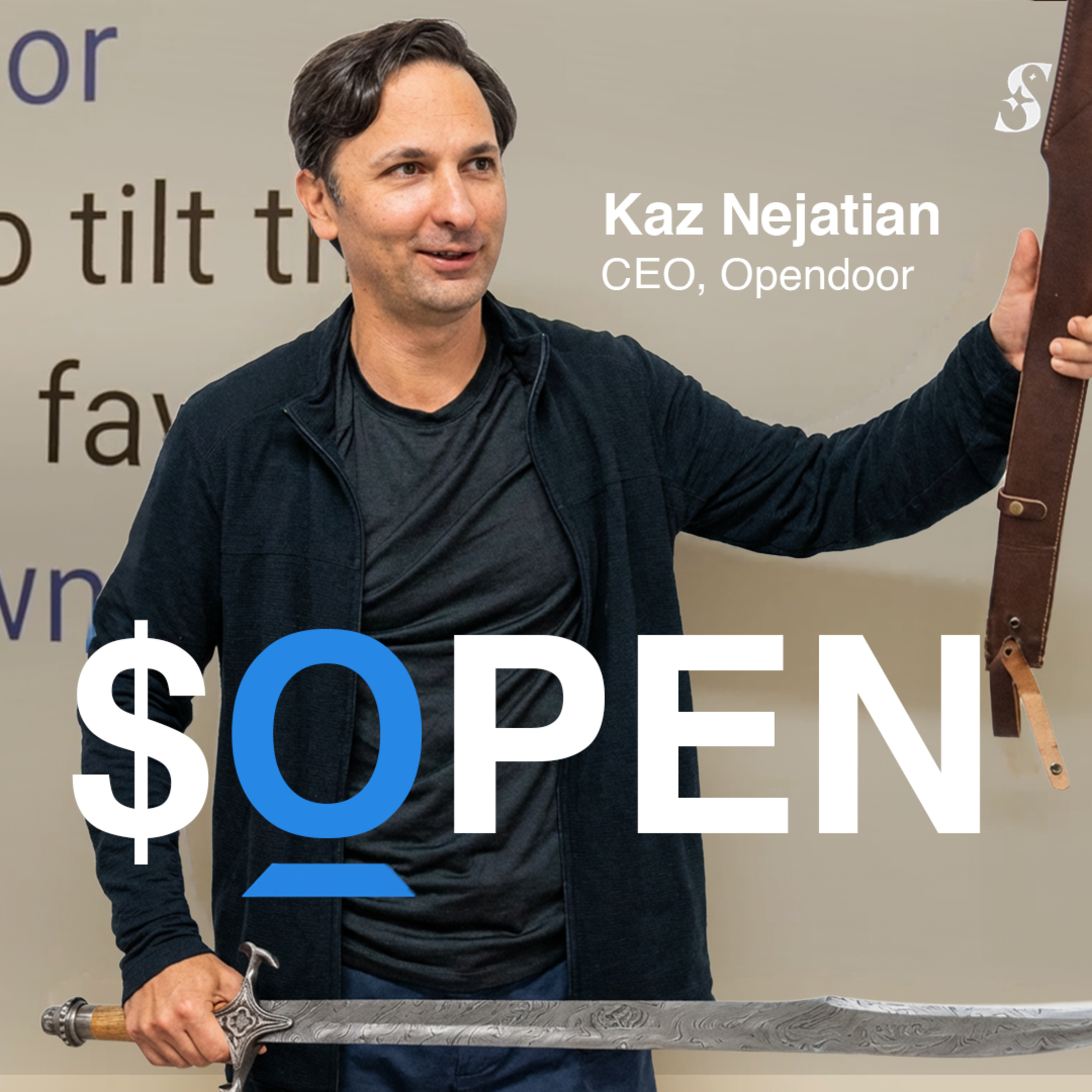
OpenDoor's CEO takes a $1 salary with compensation tied entirely to performance-based stock. He argues this model directly combats the "scam" of executives getting rich while failing. Traditional cash salaries incentivize inaction, risk aversion, and reliance on consultants to avoid getting fired, ultimately destroying shareholder value.

Thiel observes that the less an early-stage CEO is paid, the better the company performs. A low salary (under $150k) paired with high equity aligns the CEO with long-term value creation and sets a culture of shared sacrifice, whereas high pay incentivizes protecting the status quo.
For indefinite-hold companies, executive wealth is created through a stream of cash, not a future sale. Management earns equity over time in unlevered businesses, allowing them to receive meaningful cash distributions. This aligns incentives for long-term, sustainable profit growth rather than a quick flip.

CEO Kaz Nejatian's compensation is a $1 salary, and he pays for his own benefits, resulting in a net-negative cash flow. This is an extreme form of "skin in the game" that aligns his incentives entirely with long-term shareholder value over a personal paycheck.