Get your free personalized podcast brief
We scan new podcasts and send you the top 5 insights daily.
Founder and CEO Michael Kehoe owns a $350M stake in Kinsale. His compensation, and that of his team, is tied to profitability metrics like ROE and combined ratio, not just revenue growth. This creates powerful alignment with long-term shareholder interests.

Related Insights
Unlike competitors who often outsource underwriting to MGAs (incentivized by volume), Kinsale keeps this critical function in-house. This ensures underwriters are focused on long-term profitability, not just premium growth, avoiding the classic principal-agent problem that plagues its rivals.
Serial acquirer Lifco improves post-acquisition performance by having sellers retain an ownership stake in their business. This goes beyond typical earn-outs, keeping the founder's expertise and incentives aligned with the parent company for long-term growth, rather than just hitting short-term targets.
Concerns about Vornado controlling Alexander's ($ALX) are mitigated by CEO Steve Roth's incentives. Key executives own ~46% of ALX versus ~10% of Vornado. Roth's personal dividend income from his ALX stake ($12M/year) dwarfs his compensation from the company, suggesting he is highly motivated to maximize ALX's value.

To solve the persistent issue of sales and marketing misalignment, structure executive compensation around shared company revenue goals. When leaders' bonuses depend on overall revenue attainment rather than departmental metrics like pipeline or MQLs, it forces genuine collaboration and a unified focus on winning.

To attract executives without the lure of a quick liquidity event, Maloa offers equity to top management and robust annual bonus programs tied to company success. This structure appeals to leaders who value stability and sustainable growth over a potentially destructive, high-risk sale.

To ensure true alignment and 'skin in the game,' offer proven managers the opportunity to buy into the HoldCo's equity rather than giving them stock grants. People value what they pay for, creating a stronger sense of ownership and long-term commitment.

Giving management 15% equity instead of the standard 10% is a small cost to the sponsor (e.g., an 85% stake vs. 90%). However, this 50% increase in potential wealth for management creates significant alignment and motivation, leading to a much larger overall enterprise value that benefits all parties.

The founder negotiated performance-based "kickers" into his growth equity deal. If the company achieves specific return multiples for investors (e.g., 2.5x, 3x), he personally gets equity points back. This advanced tactic aligns incentives and allows a founder to reclaim dilution by delivering exceptional outcomes.

Thiel observes that the less an early-stage CEO is paid, the better the company performs. A low salary (under $150k) paired with high equity aligns the CEO with long-term value creation and sets a culture of shared sacrifice, whereas high pay incentivizes protecting the status quo.
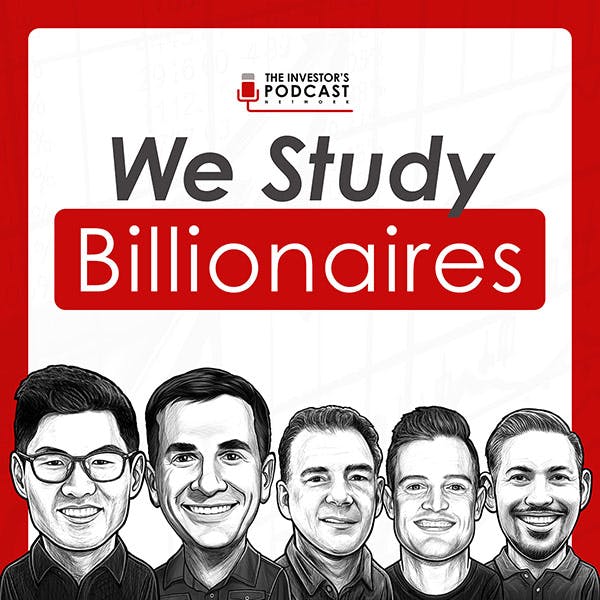
CEO Kaz Nejatian's compensation is a $1 salary, and he pays for his own benefits, resulting in a net-negative cash flow. This is an extreme form of "skin in the game" that aligns his incentives entirely with long-term shareholder value over a personal paycheck.