Get your free personalized podcast brief
We scan new podcasts and send you the top 5 insights daily.
Greg Abel’s $25 million flat salary at Berkshire Hathaway works because his alignment stems from his significant personal wealth tied to the company's success. Having invested over $100 million of his own money into Berkshire stock, his motivation is intrinsic ownership, avoiding the short-termism often induced by typical performance-based CEO compensation plans.
Related Insights
Founder and CEO Michael Kehoe owns a $350M stake in Kinsale. His compensation, and that of his team, is tied to profitability metrics like ROE and combined ratio, not just revenue growth. This creates powerful alignment with long-term shareholder interests.

When Nikesh Arora joined Palo Alto, he didn't ask for a raise. He asked for seven years of the previous CEO's pay ($20M/year) granted upfront as stock with a seven-year vest. This single, long-term grant fully aligned him with shareholder value and simplified future compensation discussions.

To ensure true alignment and 'skin in the game,' offer proven managers the opportunity to buy into the HoldCo's equity rather than giving them stock grants. People value what they pay for, creating a stronger sense of ownership and long-term commitment.

New CEO Greg Abel's $25M flat salary, without performance-based incentives, reflects a "fortress" mentality. This structure prioritizes stability and risk management for the trillion-dollar company, de-emphasizing the aggressive growth targets common in S&P 500 CEO compensation packages.

Exceptional CEOs sometimes exhibit true altruism, prioritizing shareholders above personal enrichment. Mark Leonard of Constellation Software cutting his salary to zero and refusing options is a prime example. This rare trait signals a deep alignment with long-term shareholder value creation.

Thiel observes that the less an early-stage CEO is paid, the better the company performs. A low salary (under $150k) paired with high equity aligns the CEO with long-term value creation and sets a culture of shared sacrifice, whereas high pay incentivizes protecting the status quo.
Warren Buffett's successor, Greg Abel, is investing his entire $15 million salary into Berkshire Hathaway stock. This is a powerful form of "eating your own dog food" that signals ultimate confidence in the company's future to the market, aligning his personal financial success directly with shareholder outcomes.

New Berkshire CEO Greg Abel is adopting a more involved management style than his predecessor. By appointing NetJets' Adam Johnson to oversee 32 operating subsidiaries, Abel is implementing a structure of active delegation and oversight. This marks a clear departure from Warren Buffett's famously hands-off approach to managing acquired companies.
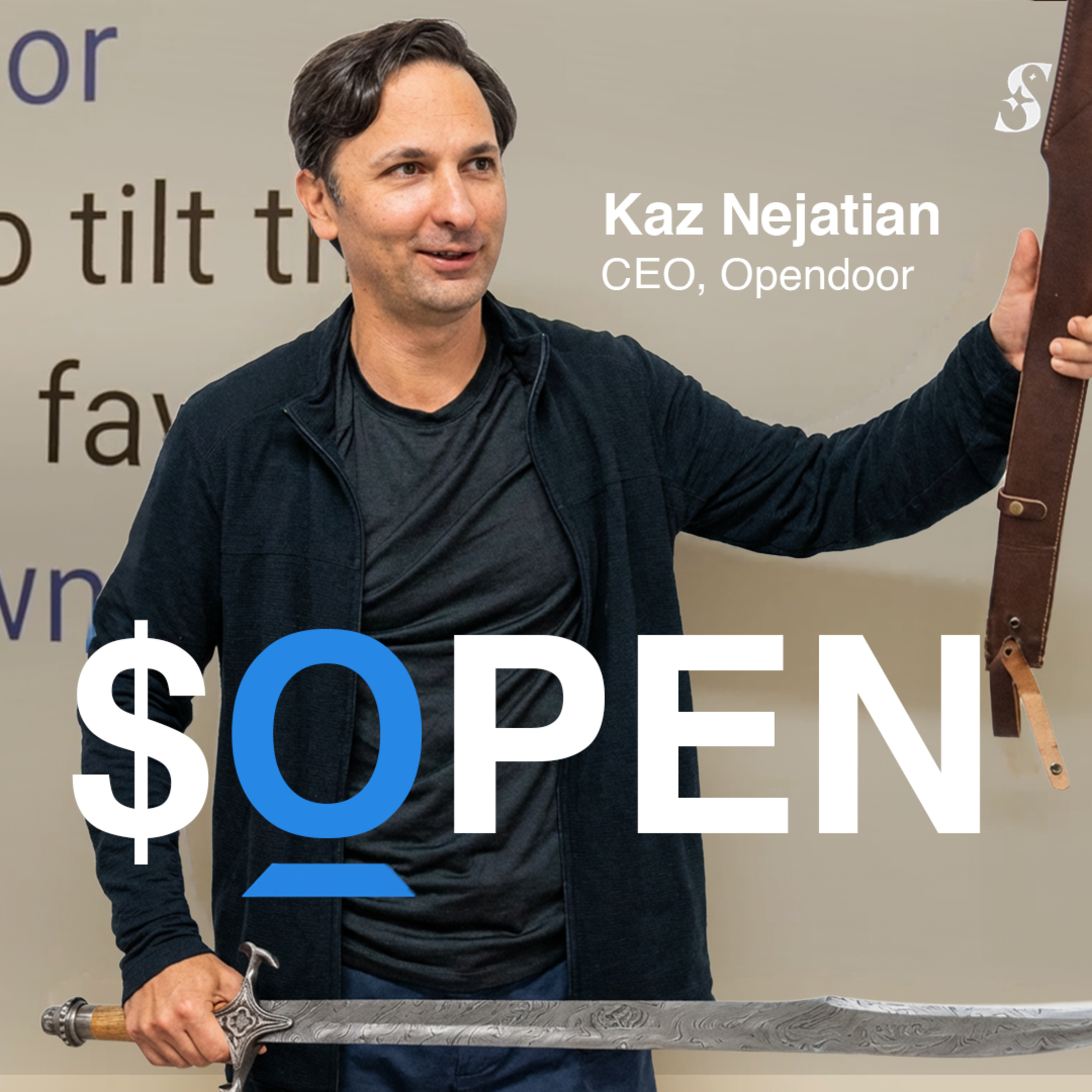
CEO Kaz Nejatian's compensation is a $1 salary, and he pays for his own benefits, resulting in a net-negative cash flow. This is an extreme form of "skin in the game" that aligns his incentives entirely with long-term shareholder value over a personal paycheck.
Eagle Capital pays its analysts salary only, with no bonuses. This unconventional structure removes the pressure for short-term performance, aligns incentives with the firm's multi-year holding periods, and counter-positions against the bonus-driven culture of multi-manager funds.
