Get your free personalized podcast brief
We scan new podcasts and send you the top 5 insights daily.
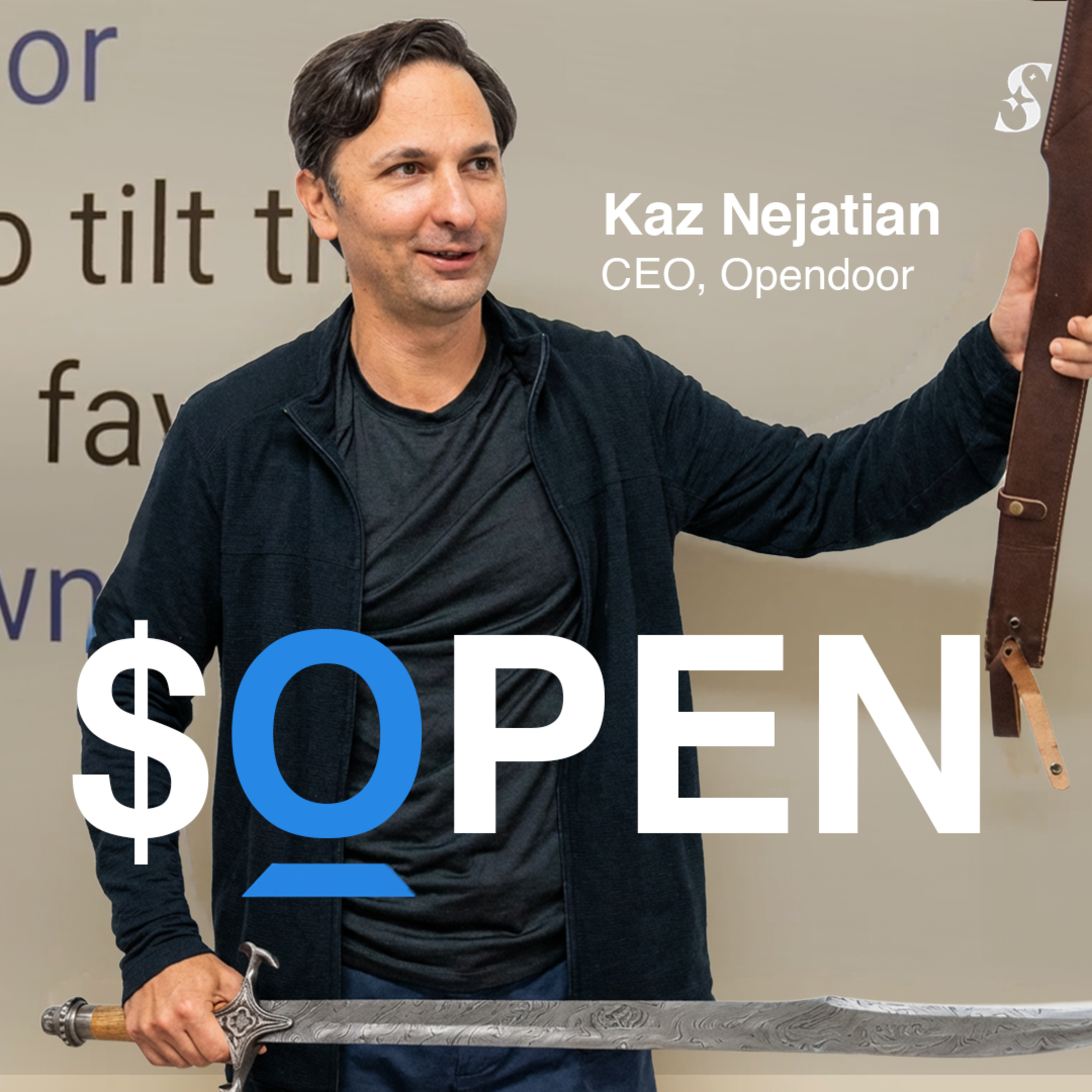
CEO Kaz Nejatian's compensation is a $1 salary, and he pays for his own benefits, resulting in a net-negative cash flow. This is an extreme form of "skin in the game" that aligns his incentives entirely with long-term shareholder value over a personal paycheck.
Related Insights
Parker Conrad acts as the sole administrator for Rippling's own software, personally running payroll and approving expenses. He believes this hands-on approach provides an unparalleled, ground-level understanding of the product and customer pain points that competitors' executives lack, calling it a 'superpower.'

When Nikesh Arora joined Palo Alto, he didn't ask for a raise. He asked for seven years of the previous CEO's pay ($20M/year) granted upfront as stock with a seven-year vest. This single, long-term grant fully aligned him with shareholder value and simplified future compensation discussions.

While 8% of founders pay themselves nothing to maximize reinvestment for a future exit, this strategy is often regretted. Even among founders who achieved a multi-million dollar exit, many later wished they had paid themselves at least a small salary to improve their quality of life during the building phase.

To ensure true alignment and 'skin in the game,' offer proven managers the opportunity to buy into the HoldCo's equity rather than giving them stock grants. People value what they pay for, creating a stronger sense of ownership and long-term commitment.

The optimal founder salary is a balancing act. It should be the largest amount the business can sustain without taking a hit, yet the smallest amount you can personally live on comfortably. This strategy frees up the maximum amount of capital for strategic reinvestment into the business's growth.

To conserve cash, especially in a downturn, founders can pay key employees 10-30% below market rate in salary. The key is to compensate for this deficit by offering double or triple the industry standard in equity. This strategy attracts top talent aligned with long-term success while keeping the company's cash burn rate low.
As a CEO with no personal shares, Sam Altman is unconcerned with dilution at OpenAI. This unique position frees him to authorize massive, dilutive stock-based compensation packages and raise vast amounts of capital, prioritizing winning the AI race above all else, without the typical founder's financial constraints.

OpenDoor's CEO takes a $1 salary with compensation tied entirely to performance-based stock. He argues this model directly combats the "scam" of executives getting rich while failing. Traditional cash salaries incentivize inaction, risk aversion, and reliance on consultants to avoid getting fired, ultimately destroying shareholder value.

Thiel observes that the less an early-stage CEO is paid, the better the company performs. A low salary (under $150k) paired with high equity aligns the CEO with long-term value creation and sets a culture of shared sacrifice, whereas high pay incentivizes protecting the status quo.
To ensure "radical alignment," solo capitalist Oren Zeev pays himself zero from management fees, reinvesting 100% back into his funds. As the largest LP in every fund and with a 30% carry, his entire economic incentive is tied to long-term value creation, not fee generation, which is highly unusual.