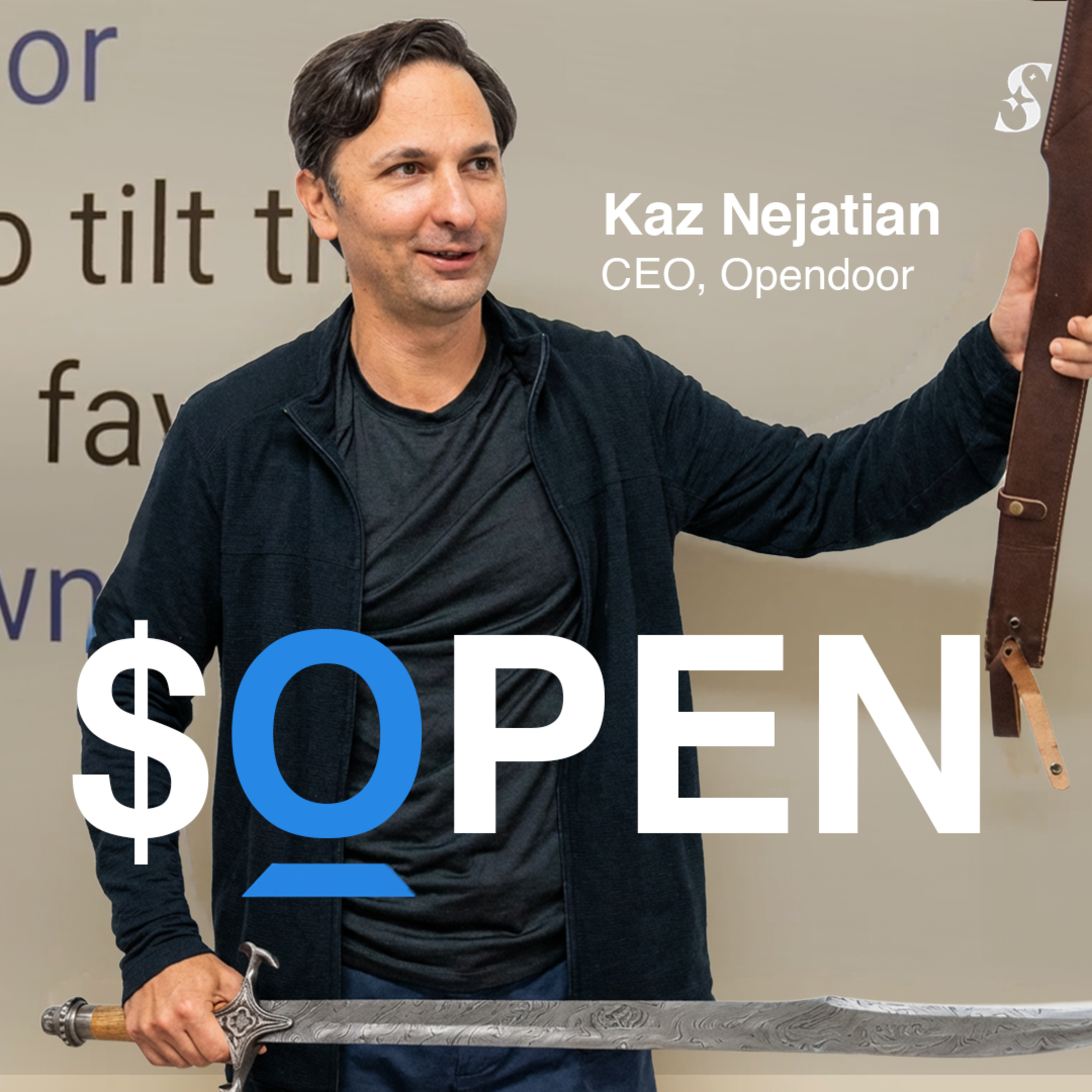
CEO Kaz Nejatian's compensation is a $1 salary, and he pays for his own benefits, resulting in a net-negative cash flow. This is an extreme form of "skin in the game" that aligns his incentives entirely with long-term shareholder value over a personal paycheck.
To avoid corporate stagnation, every meeting should have a metaphorical empty "founder chair." This represents the voice that challenges consensus, calls bullshit, and pushes for extraordinary, non-linear outcomes, ensuring the founder's disruptive mentality persists even in their absence.
A multi-million dollar consulting engagement advised Opendoor to cut costs across the board. The result was a lower-quality product that wasn't actually cheaper to produce. This serves as a cautionary tale against blindly applying "best practices" without first-principles thinking.
Opendoor intentionally designs its careers page to scare away the vast majority of applicants. This counterintuitive strategy creates a high-signal recruiting funnel by setting aggressive expectations upfront, ensuring only candidates truly aligned with the intense mission and culture will apply.
Opendoor has no PR department; the official press email auto-replies with instructions to DM the CEO on X. This radical approach forces direct, unfiltered communication and ensures the CEO's authentic voice defines the company narrative, bypassing traditional media gatekeepers.
Rather than trying to become a well-rounded, traditional leader, Opendoor's CEO focuses on sharpening his unique "edges." He then surrounds himself with people who are "edgy" in complementary ways, creating a balanced team of focused experts rather than a bland group of generalists.
Opendoor's CEO believes the stock ticker is a distraction, like a football player staring at the scoreboard. The stock price is a lagging indicator of company performance. By focusing exclusively on building a great company, the score will eventually take care of itself.
For its new mortgage product beta, Opendoor's CEO will personally handle customer support by having the official support line route directly to his cell phone. This ensures unfiltered, immediate feedback from the earliest customers reaches the highest level of leadership.
To radically reset company culture, Opendoor's new CEO gave remote employees seven days' notice to return to an office—before physical offices had even been secured. This "shock therapy" approach forced a rapid self-selection of employees committed to the new in-person culture.