Get your free personalized podcast brief
We scan new podcasts and send you the top 5 insights daily.
The standard "cost-plus" model guarantees contractors a profit margin on top of their expenses. This creates a perverse incentive to maximize costs and timelines, as 10% of a $3 billion project is far more lucrative than 10% of a $150 million one.

Related Insights
To combat inefficiency, the Pentagon is moving away from paying contractors for time and materials ('cost-plus'). The new model emphasizes business-oriented, fixed-price contracts where companies are paid upon successful, on-time delivery of a working product, introducing more risk and profit incentive for vendors.

Unlike traditional contractors paid for time and materials, Anduril invests its own capital to develop products first. This 'defense product company' model aligns incentives with the government's need for speed and effectiveness, as profits are tied to rapid, successful delivery, not prolonged development cycles.

Construction projects have limited upside (e.g., 10-15% under budget) but massive downside (100-300%+ over budget). This skewed risk profile rationally incentivizes builders to stick with predictable, traditional methods rather than adopt new technologies that could lead to catastrophic overruns.

Anduril advocates for performance-based contracts, a controversial model in government where payment is contingent on the product working. This forces internal accountability and aligns their interests with the customer's, contrasting with traditional cost-plus models that place all risk on the government.
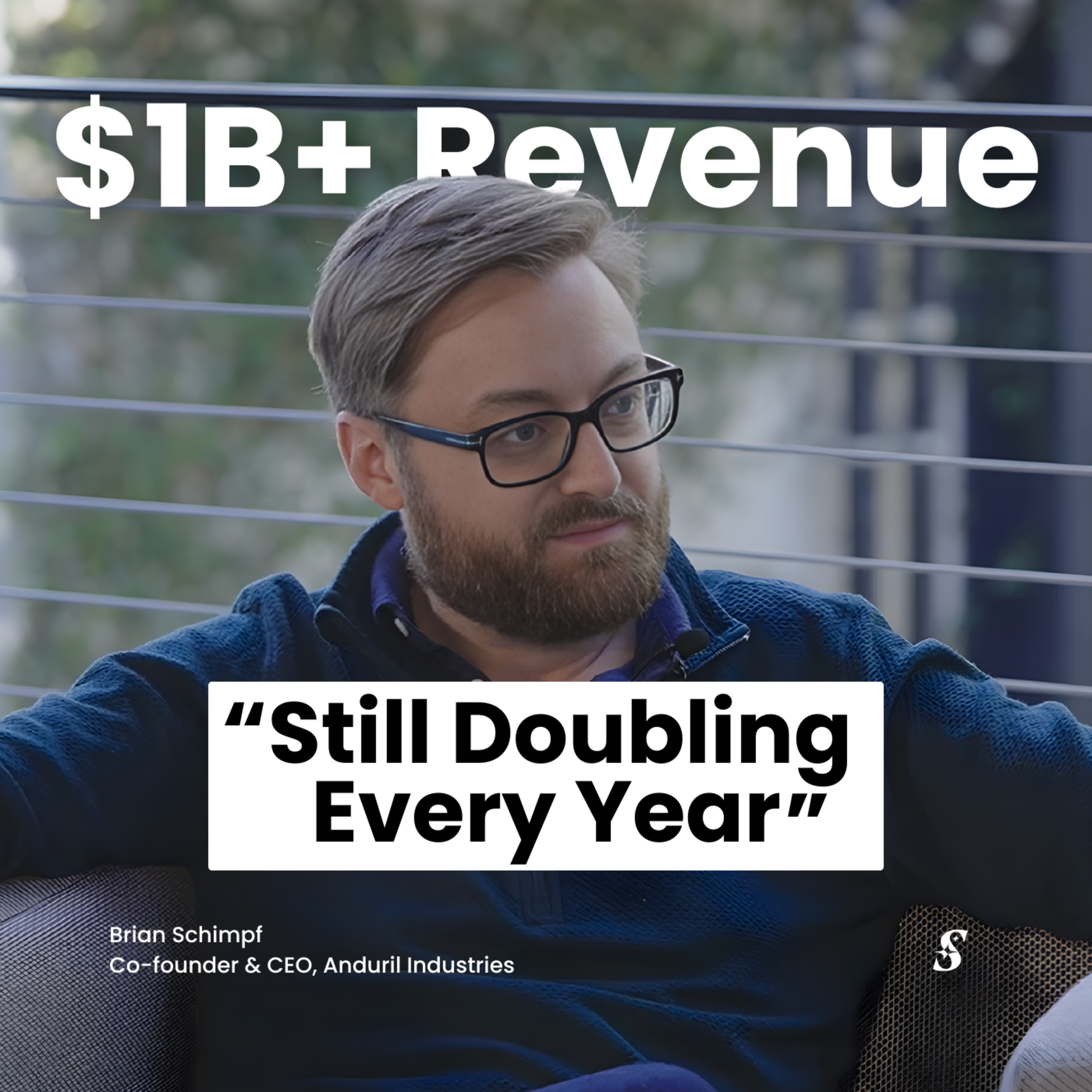
The defense procurement system was built when technology platforms lasted for decades, prioritizing getting it perfect over getting it fast. This risk-averse model is now a liability in an era of rapid innovation, as it stifles the experimentation and failure necessary for speed.

The "cost-plus" regulatory model allows utilities to earn a guaranteed return on capital investments (CAPEX) but no margin on operational expenses (OPEX). This creates a powerful, often inefficient, incentive for utilities to solve every problem by building expensive new infrastructure, even when cheaper operational solutions exist.
Many business functions operate in an asymmetric incentive system where managers are rewarded for immediate, quantifiable cost savings. They face no penalty for the harder-to-measure destruction of future opportunities or customer value, leading to dangerously short-sighted and value-destroying decisions.

Public agencies increasingly hire third-party consultants as 'owner's reps' to manage projects. Contractors report these reps can become a source of delays, as their compensation is tied to the project's duration, creating a misaligned incentive that inflates costs and timelines.
The intricate rules for verifying eligibility for government aid ("means-testing") have spawned an entire industry of vendors who profit from building these complex systems. This creates a perverse incentive where contractors benefit from the very administrative friction that harms beneficiaries and taxpayers.

A key cultural shift in government procurement is moving from a cost-minimization mindset to a value-maximization one. Instead of asking how to reduce a contractor's margins, smart buyers should focus on achieving better results with the dollars being spent, rewarding companies that deliver superior impact.