Get your free personalized podcast brief
We scan new podcasts and send you the top 5 insights daily.
A key cultural shift in government procurement is moving from a cost-minimization mindset to a value-maximization one. Instead of asking how to reduce a contractor's margins, smart buyers should focus on achieving better results with the dollars being spent, rewarding companies that deliver superior impact.

Related Insights
Navy CTO Justin Fanelli advises founders to stop asking to be paid for their time and instead price their solutions based on the outcomes and value they deliver. This aligns incentives with the government buyer, rewards impact over effort, and demonstrates a modern, software-defined mindset.
An ideal procurement process identifies the most cost-effective known solution but also allows bidders to propose an innovative alternative. This alternative must be accompanied by a rigorous impact evaluation, turning procurement into a mechanism for continuous improvement rather than a static decision.

Engaging with procurement early commoditizes your solution and centers the conversation on price. Instead, sell value to the actual users and decision-makers first. By the time procurement is involved, the decision and price should already be negotiated, leaving them only to process the final transaction.

The era of large prime contractors owning an entire system is ending. The companies that will win are those who are highly interoperable, collaborate with other vendors, and integrate best-of-breed capabilities with a low-ego approach, focusing on delivering a mission capability rather than a standalone widget.

Even when price is a primary driver, you can differentiate by solving problems for clients before they ask. This might mean identifying errors in their plans or mapping dependencies for other contractors. This goodwill creates powerful relationships that transcend a purely transactional engagement.

Procurement has evolved from a transactional cost-saving function to a strategic partner. True value is now created by acting as a business advisor, bringing external market trends and supplier innovations into the organization to help shape and achieve commercial objectives, requiring deep business acumen.

Anduril advocates for performance-based contracts, a controversial model in government where payment is contingent on the product working. This forces internal accountability and aligns their interests with the customer's, contrasting with traditional cost-plus models that place all risk on the government.
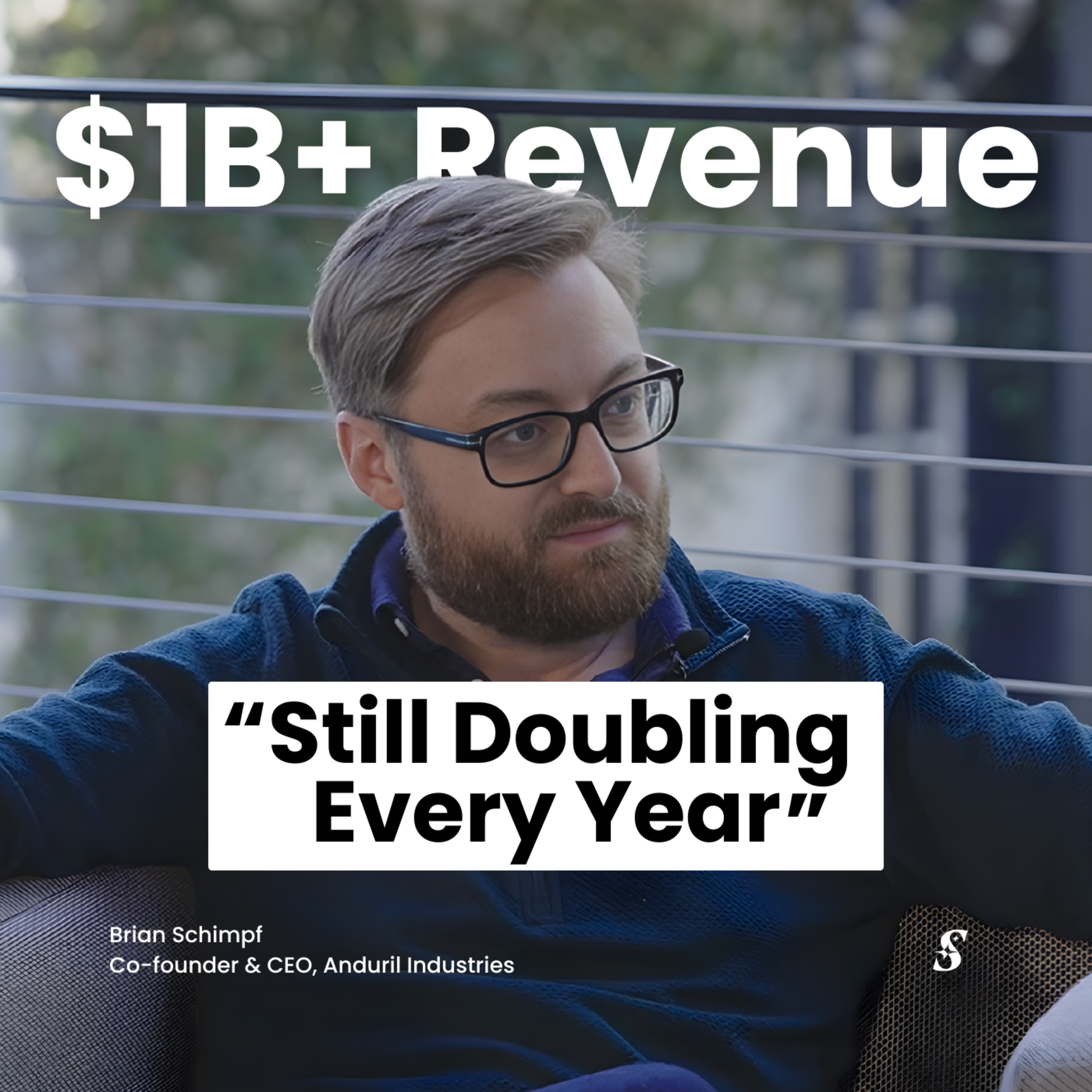
The naive view is that lower prices are always better for customers. However, higher prices generate higher margins, which can be reinvested into R&D. This allows the vendor to improve the product much faster, ultimately delivering more value and making the customer better off than with a cheaper, stagnant product.

Successful, long-term vendor relationships are built on cultural alignment and a shared vision, not the lowest bid. Intensive due diligence should focus on finding a partner who is transparent, trustworthy, and willing to innovate and grow with your organization. A mismatched culture will lead to revisiting the selection process within a year.
In government, digital services are often viewed as IT projects delivered by contractors. A CPO's primary challenge is instilling a culture of product thinking: focusing on customer value, business outcomes, user research, and KPIs, often starting from a point of zero.