Get your free personalized podcast brief
We scan new podcasts and send you the top 5 insights daily.
The DoD insists that tech providers agree to any lawful use of their technology, arguing that debates over controversial applications like autonomous weapons belong in Congress, not in a vendor's terms of service.

Related Insights
By threatening a willing partner, the DoD risks sending a message to Silicon Valley that any collaboration will lead to a loss of control, undermining efforts to recruit tech talent for national security.
Anthropic's refusal to allow the Pentagon to use its AI for autonomous weapons is a strategic branding move. This public stance positions Anthropic as the ethical "good guy" in the AI space, similar to Apple's use of privacy. This creates a powerful differentiator that appeals to risk-averse enterprise customers.

Claims by AI companies that their tech won't be used for direct harm are unenforceable in military contracts. Militaries and nation-states do not follow commercial terms of service; the procurement process gives the government complete control over how technology is ultimately deployed.
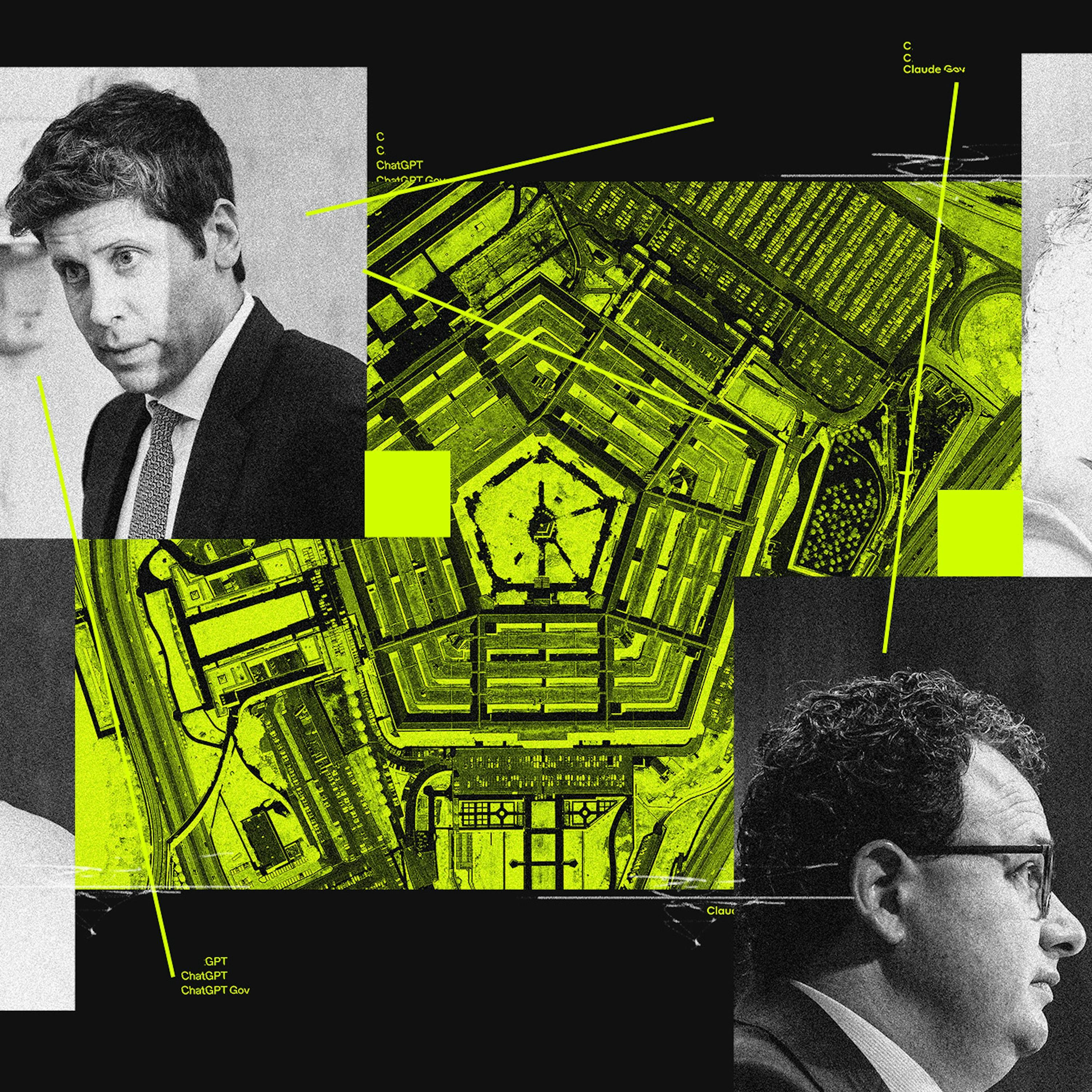
The Pentagon's threat to label Anthropic a "supply chain risk" is not about vendor reliability; it's a severe legal weapon, typically reserved for foreign adversaries, that would bar any DoD contractor from working with them.
The National Defense Authorization Act (NDAA) creates an "AI Futures Steering Committee" co-chaired by top defense officials. Its explicit purpose is to formulate policy for evaluating, adopting, and mitigating risks of AGI, and to forecast adversary AGI capabilities.
Leading AI companies, facing high operational costs and a lack of profitability, are turning to lucrative government and military contracts. This provides a stable revenue stream and de-risks their portfolios with government subsidies, despite previous ethical stances against military use.
By refusing to allow its models for lethal operations, Anthropic is challenging the U.S. government's authority. This dispute will set a precedent for whether AI companies act as neutral infrastructure or as political entities that can restrict a nation's military use of their technology.

AI companies engage in "safety revisionism," shifting the definition from preventing tangible harm to abstract concepts like "alignment" or future "existential risks." This tactic allows their inherently inaccurate models to bypass the traditional, rigorous safety standards required for defense and other critical systems.
The Department of War is threatening to blacklist Anthropic for prohibiting military use of its AI, a severe penalty typically reserved for foreign adversaries like Huawei. This conflict represents a proxy war over who dictates the terms of AI use: the technology creators or the government.
Countering the common narrative, Anduril views AI in defense as the next step in Just War Theory. The goal is to enhance accuracy, reduce collateral damage, and take soldiers out of harm's way. This continues a historical military trend away from indiscriminate lethality towards surgical precision.