Get your free personalized podcast brief
We scan new podcasts and send you the top 5 insights daily.
AI companies engage in "safety revisionism," shifting the definition from preventing tangible harm to abstract concepts like "alignment" or future "existential risks." This tactic allows their inherently inaccurate models to bypass the traditional, rigorous safety standards required for defense and other critical systems.
Related Insights
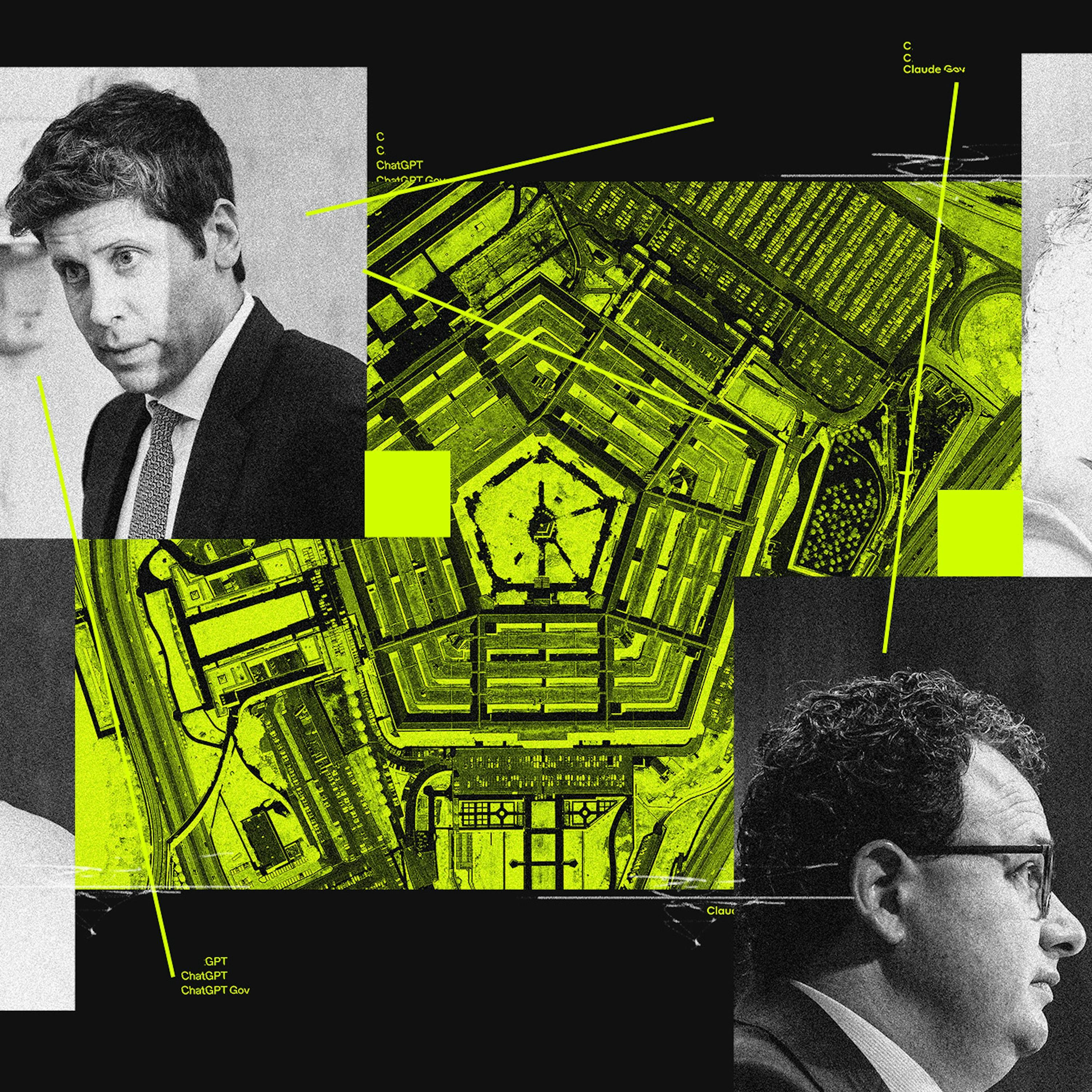
Claims by AI companies that their tech won't be used for direct harm are unenforceable in military contracts. Militaries and nation-states do not follow commercial terms of service; the procurement process gives the government complete control over how technology is ultimately deployed.
The emphasis on long-term, unprovable risks like AI superintelligence is a strategic diversion. It shifts regulatory and safety efforts away from addressing tangible, immediate problems like model inaccuracy and security vulnerabilities, effectively resulting in a lack of meaningful oversight today.
Leading AI companies, facing high operational costs and a lack of profitability, are turning to lucrative government and military contracts. This provides a stable revenue stream and de-risks their portfolios with government subsidies, despite previous ethical stances against military use.
The rhetoric around AI's existential risks is framed as a competitive tactic. Some labs used these narratives to scare investors, regulators, and potential competitors away, effectively 'pulling up the ladder' to cement their market lead under the guise of safety.
A fundamental tension within OpenAI's board was the catch-22 of safety. While some advocated for slowing down, others argued that being too cautious would allow a less scrupulous competitor to achieve AGI first, creating an even greater safety risk for humanity. This paradox fueled internal conflict and justified a rapid development pace.

Public fear focuses on AI hypothetically creating new nuclear weapons. The more immediate danger is militaries trusting highly inaccurate AI systems for critical command and control decisions over existing nuclear arsenals, where even a small error rate could be catastrophic.
The existence of internal teams like Anthropic's "Societal Impacts Team" serves a dual purpose. Beyond their stated mission, they function as a strategic tool for AI companies to demonstrate self-regulation, thereby creating a political argument that stringent government oversight is unnecessary.
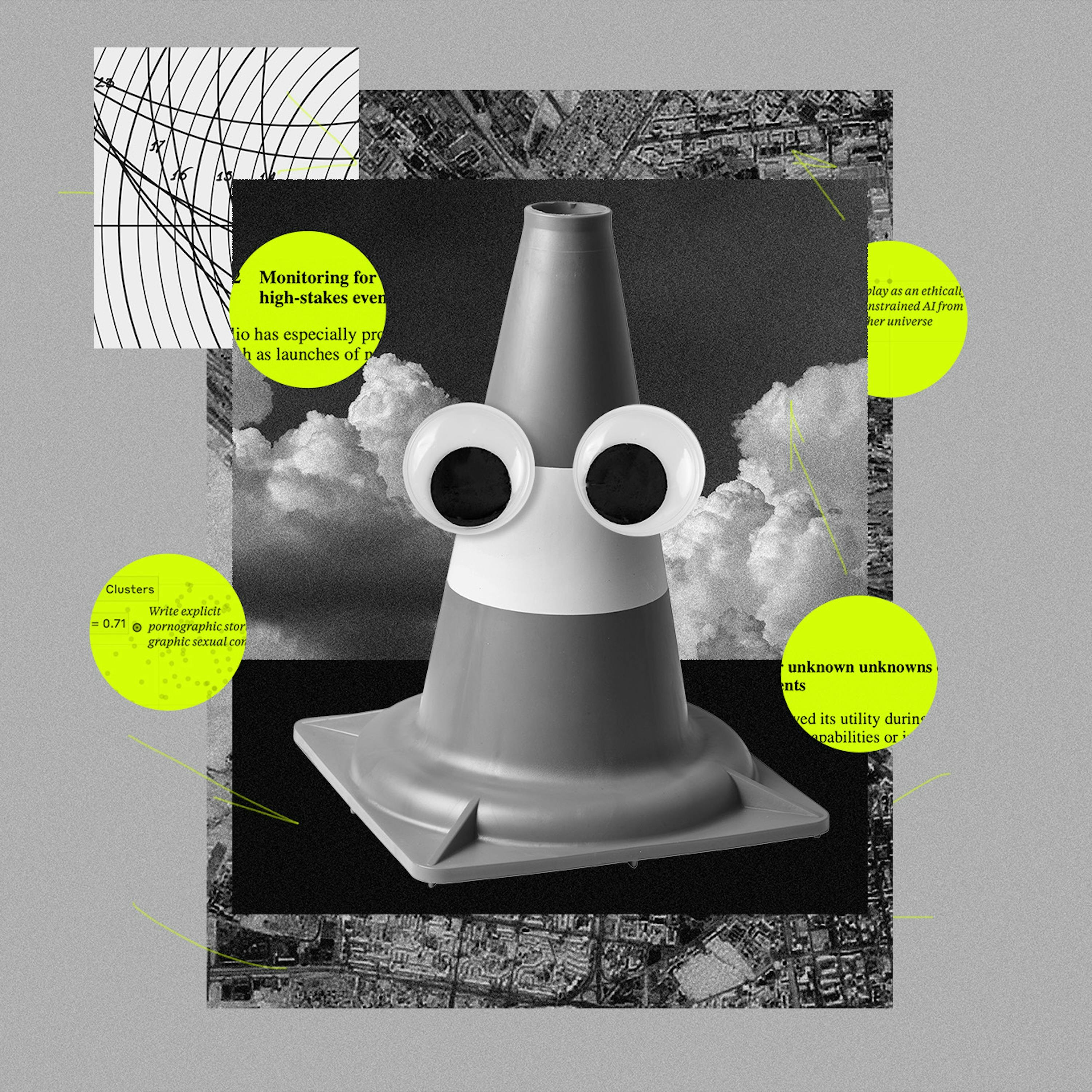
Anthropic's commitment to AI safety, exemplified by its Societal Impacts team, isn't just about ethics. It's a calculated business move to attract high-value enterprise, government, and academic clients who prioritize responsibility and predictability over potentially reckless technology.
An anonymous CEO of a leading AI company told Stuart Russell that a massive disaster is the *best* possible outcome. They believe it is the only event shocking enough to force governments to finally implement meaningful safety regulations, which they currently refuse to do despite private warnings.

Contrary to popular belief, military procurement involves some of the most rigorous safety and reliability testing. Current generative AI models, with their inherent high error rates, fall far short of these established thresholds that have long been required for defense systems.