Get your free personalized podcast brief
We scan new podcasts and send you the top 5 insights daily.
YouTube's AI video summaries can satisfy viewer curiosity without a full watch, harming creators who rely on information-based hooks. The counter-strategy is producing content where visuals are indispensable, making text summaries insufficient and preserving the value of watching.
Related Insights
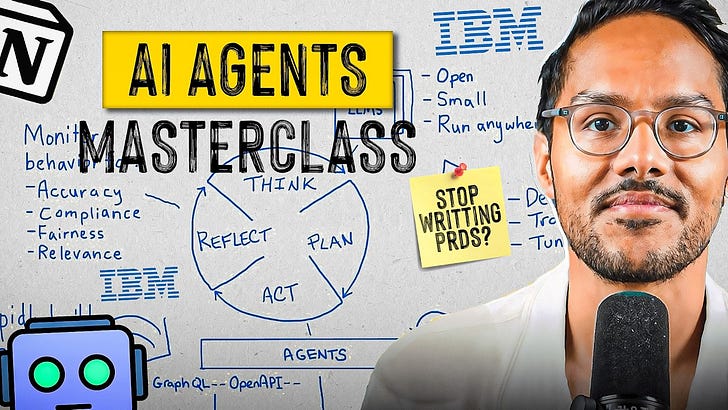
While AI tools once gave creators an edge, they now risk producing democratized, undifferentiated output. IBM's AI VP, who grew to 200k followers, now uses AI less. The new edge is spending more time on unique human thinking and using AI only for initial ideation, not final writing.
As AI-driven search provides answers directly, traditional website traffic is declining for many. However, YouTube usage is increasing. A robust video strategy on YouTube is no longer optional, as it is becoming the primary platform for discovery and trust-building in the AI era.

AI can now analyze video ads frame by frame, identifying the most compelling moments and justifying its choices with sophisticated creative principles like color theory and narrative juxtaposition. This allows for deep qualitative analysis of creative effectiveness at scale, surpassing simple A/B testing.

YouTube's algorithm now reads the full video transcript, making traditional keyword SEO obsolete. Success depends on optimizing for the recommendation feed, which drives 70% of traffic, by maximizing click-through rate and average view duration.

Amateurs film a video and then struggle to package it. Professionals reverse this. They first craft a compelling promise (the title) and visual hook (the thumbnail concept). Then, they create content specifically designed to fulfill that promise, ensuring perfect alignment and a stronger final product.

While AI-generated comment summaries offer quick sentiment analysis for creators, making them public could be dangerous. They risk being weaponized by polarized communities, much like the old dislike button, negatively influencing a potential viewer's perception before they have even watched the content.
YouTube's new AI editing tool isn't just stitching clips; it intelligently analyzes content, like recipe steps, and arranges them in the correct logical sequence. This contextual understanding moves beyond simple montage creation and significantly reduces editing friction for busy marketers and creators.
Media pioneer Alan Jay argues launching a media business is now harder because AI tools and search engines summarize content directly in results. This 'steals' traffic by answering user queries without requiring a click-through, fundamentally threatening ad-based publishing models.

When using AI tools to clip short videos from long-form content, ensure each clip is a complete, coherent thought. Clips that lack context and merely serve as an ad for the full video fail to engage audiences on short-form platforms like Instagram.

Successful short-form video follows a structure: 1) Capture attention with strong visual and verbal hooks. 2) Maintain attention by creating a 'dance between conflict and context.' 3) Reward attention by providing value (education, inspiration) that generates algorithm-pleasing engagement signals like shares and saves.
