Get your free personalized podcast brief
We scan new podcasts and send you the top 5 insights daily.
While AI-generated comment summaries offer quick sentiment analysis for creators, making them public could be dangerous. They risk being weaponized by polarized communities, much like the old dislike button, negatively influencing a potential viewer's perception before they have even watched the content.
Related Insights
As AI-generated content and virtual influencers saturate social media, consumer trust will erode, leading to 'Peak Social.' This wave of distrust will drive people away from anonymous influencers and back towards known entities and credible experts with genuine authority in their fields.

While businesses are rapidly adopting AI for content creation and communication, Gen Z consumers have a strong aversion to anything that feels artificial or inauthentic. If this demographic can detect AI-generated content in sales or marketing, they are likely to ignore it, posing a significant challenge for brands targeting them.

We are months away from AI that can create a media feed designed to exclusively validate a user's worldview while ignoring all contradictory information. This will intensify confirmation bias to an extreme, making rational debate impossible as individuals inhabit completely separate, self-reinforced realities with no common ground or shared facts.

Algorithms optimize for engagement, and outrage is highly engaging. This creates a vicious cycle where users are fed increasingly polarizing content, which makes them angrier and more engaged, further solidifying their radical views and deepening societal divides.

AI's unpredictability requires more than just better models. Product teams must work with researchers on training data and specific evaluations for sensitive content. Simultaneously, the UI must clearly differentiate between original and AI-generated content to facilitate effective human oversight.
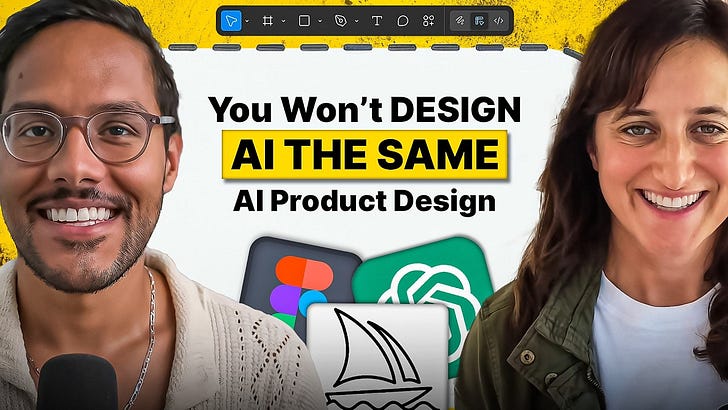
AI is primarily a cost-saving tool, not a substitute for nuanced creative direction. Furthermore, a cultural backlash is emerging among younger consumers on social media who perceive AI content as inauthentic, actively criticizing brands like MrBeast and Liquid Death for using it.
Before generative AI, the simple algorithms optimizing newsfeeds for engagement acted as a powerful, yet misaligned, "baby AI." This narrow system, pointed at the human brain, was potent enough to create widespread anxiety, depression, and polarization by prioritizing attention over well-being.
Features designed for delight, like AI summaries, can become deeply upsetting in sensitive situations such as breakups or grief. Product teams must rigorously test for these emotional corner cases to avoid causing significant user harm and brand damage, as seen with Apple and WhatsApp.
A/B testing on platforms like YouTube reveals a clear trend: the more incendiary and negative the language in titles and headlines, the more clicks they generate. This profit incentive drives the proliferation of outrage-based content, with inflammatory headlines reportedly up 140%.

Before ChatGPT, humanity's "first contact" with rogue AI was social media. These simple, narrow AIs optimizing solely for engagement were powerful enough to degrade mental health and democracy. This "baby AI" serves as a stark warning for the societal impact of more advanced, general AI systems.
