Get your free personalized podcast brief
We scan new podcasts and send you the top 5 insights daily.
A false story about the U.S. confiscating Venezuela's gold distracted from a more significant issue: the U.S. Treasury's opaque control of billions in Venezuelan oil revenue. This highlights how sensational falsehoods can overshadow complex but legitimate concerns about government accountability.

Related Insights
The US government controls Venezuelan oil sales and funnels monthly payments to Delcy Rodriguez's government. This unprecedented level of financial control benefits the regime by providing stability while giving the US leverage and access to oil, a shocking callback to colonial-era dynamics.

Unlike its energy sector, Venezuela's vast mineral wealth is poorly understood due to a lack of verifiable reserve data. Widespread illicit mining, poor governance, and human rights abuses mean a much longer and more complex road to legitimate production, delaying any significant market impact.

The instability in Venezuela highlights the increasing geopolitical friction between the U.S. and China over commodities. This reinforces the strategy for central banks in emerging markets to buy gold as a way to diversify reserves, hedge against sanctions risk, and move away from the U.S. dollar.

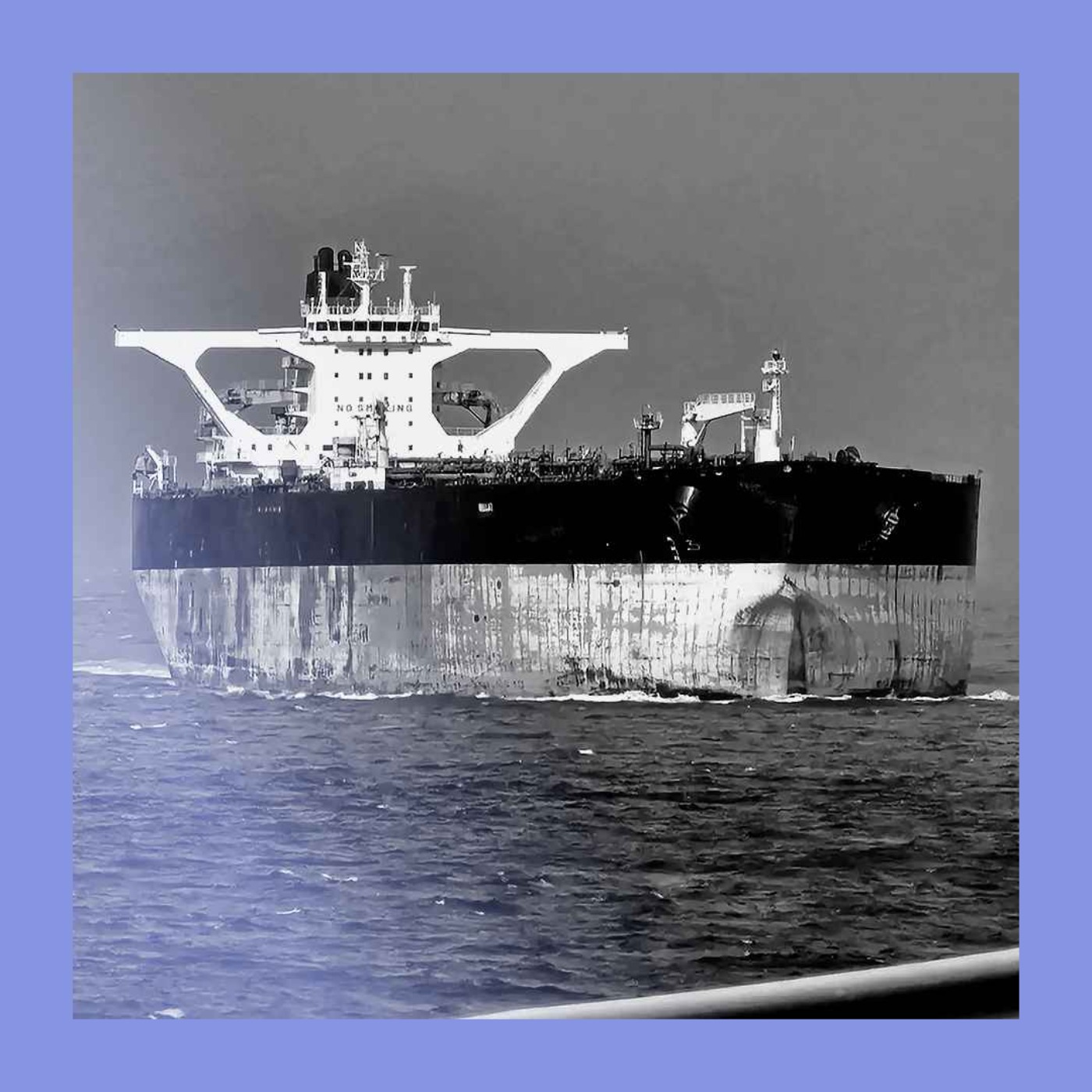
The 30-50 million barrels of Venezuelan oil the White House claims to be releasing is not new supply. It's largely oil that was already produced but couldn't be exported due to the U.S. blockade. Releasing it is more of a reversal of a self-inflicted disruption than an injection of fresh barrels into the market.

The Maduro regime is not just a corrupt petrostate; it is a diversified criminal enterprise. It has expanded into drug trafficking, gold smuggling, and human trafficking, turning Venezuela into a safe haven for global criminal networks, terrorist groups, and adversaries like Russia and Iran.

The US military action in Venezuela is viewed through the lens of the petrodollar system. It's seen as another instance of the U.S. aggressively targeting a nation that challenges the dollar's dominance by not denominating its oil exports in USD.

The "narco-state" narrative is misleading. While officials profit from drug trafficking, the state's primary income is oil. Disrupting the drug trade angers corrupt generals but doesn't threaten the government's core financial stability.

During a crisis, a simple, emotionally resonant narrative (e.g., "colluding with hedge funds") will always be more memorable and spread faster than a complex, technical explanation (e.g., "clearinghouse collateral requirements"). This highlights the profound asymmetry in crisis communications and narrative warfare.

The widely cited 300 billion barrel figure for Venezuela's oil reserves is not a measure of what's currently extractable. True "proven reserves" are a function of oil price, investment, and security, making the economically viable amount far lower than the technical potential.
The Trump administration's intervention in Venezuela is overtly focused on securing oil to lower global prices, rather than promoting human rights. The plan involves seizing and selling Venezuelan oil with the president personally controlling the proceeds in what critics are calling "high tech piracy."