Get your free personalized podcast brief
We scan new podcasts and send you the top 5 insights daily.
The US government controls Venezuelan oil sales and funnels monthly payments to Delcy Rodriguez's government. This unprecedented level of financial control benefits the regime by providing stability while giving the US leverage and access to oil, a shocking callback to colonial-era dynamics.

Related Insights
The Venezuelan intervention was coordinated with American oil businesses before and after, while Congress was kept in the dark. This demonstrates a shift where foreign policy serves specific corporate interests directly, bypassing traditional democratic oversight and processes.

The U.S. strategy appears to be maintaining a weakened Chavista regime to ensure stability and access to oil, effectively turning Venezuela into a resource colony without genuine political change for its people.

Unlike past administrations that used pretexts like 'democracy,' the Trump administration openly states its transactional goals, such as seizing oil. This 'criming in plain sight' approach is merely an overt version of historical covert US actions in regions like Latin America.
The recent regime change in Venezuela is not a clean break; the acting president was Maduro's VP, and the existing Chavista structure remains. The US administration is prioritizing stability and oil development with this existing framework, creating uncertainty for bondholders. The path to a debt restructuring is now unclear, as it's unknown how quickly or fairly creditors will be prioritized in this new bilateral arrangement.

In post-Maduro Venezuela, American pressure is primarily focused on liberalizing the economy for foreign investment, especially in oil. While this has resulted in some political shifts, the overwhelming priority is economic access for American interests, demonstrating a pragmatic rather than purely ideological approach to nation-building.
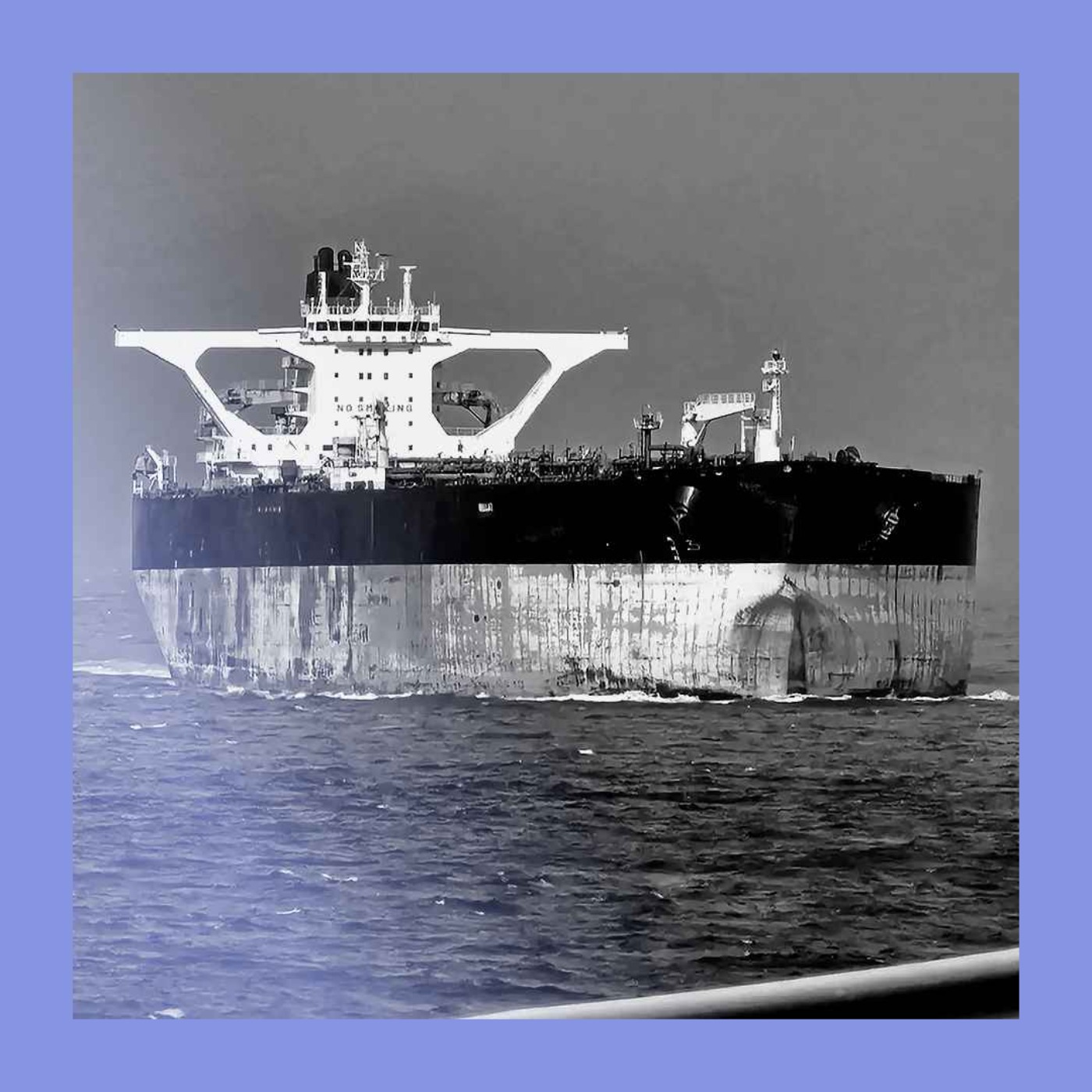
U.S. foreign policy actions against Venezuela and Iran are not primarily about democracy but are strategic moves to disrupt the flow of cheap, sanctioned oil to China. By controlling these sources, the U.S. can directly attack a key adversary's economic and military engine.

The US military action in Venezuela is viewed through the lens of the petrodollar system. It's seen as another instance of the U.S. aggressively targeting a nation that challenges the dollar's dominance by not denominating its oil exports in USD.

Unlike the 20th-century Monroe Doctrine focused on ideology (anti-fascism/communism), Trump's version is a throwback to a more aggressive, 19th-century style of foreign policy. It unapologetically prioritizes the direct control of economic resources, like Venezuelan oil, over promoting democracy or good governance.

By consolidating influence over Venezuelan and Guyanese reserves alongside its own, the U.S. could control nearly a third of global oil reserves. This would fundamentally reshape energy geopolitics, diminishing the influence of powers like Saudi Arabia and potentially keeping oil prices in a lower range.
The Trump administration's intervention in Venezuela is overtly focused on securing oil to lower global prices, rather than promoting human rights. The plan involves seizing and selling Venezuelan oil with the president personally controlling the proceeds in what critics are calling "high tech piracy."