Get your free personalized podcast brief
We scan new podcasts and send you the top 5 insights daily.
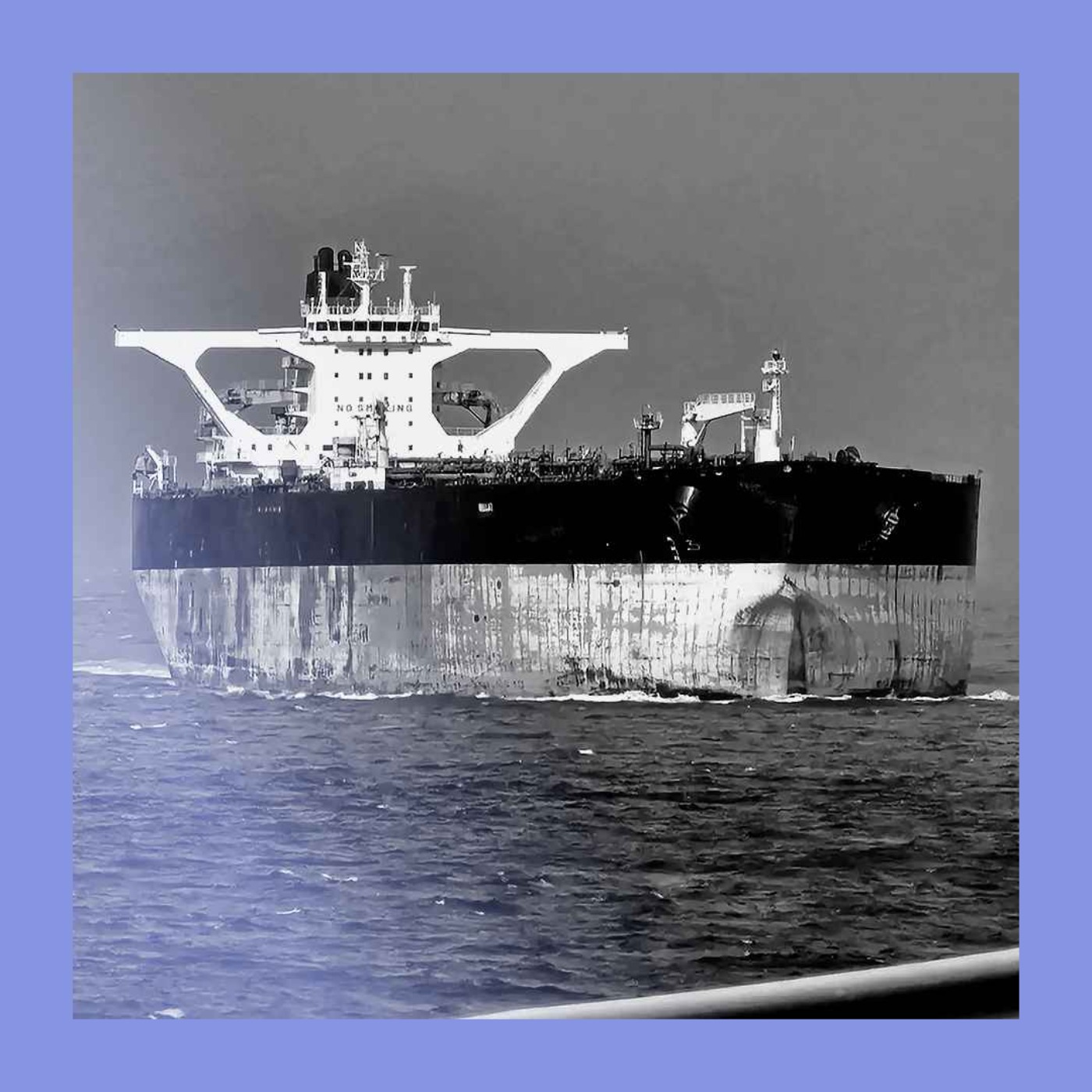
The 30-50 million barrels of Venezuelan oil the White House claims to be releasing is not new supply. It's largely oil that was already produced but couldn't be exported due to the U.S. blockade. Releasing it is more of a reversal of a self-inflicted disruption than an injection of fresh barrels into the market.

Related Insights
The prospect of reviving Venezuela's vast but dormant oil industry introduces significant potential for increased global supply. Morgan Stanley suggests this could suppress prices in the medium-term, a counter-intuitive outcome where resolving geopolitical tension leads to lower commodity prices rather than higher ones.

J.P. Morgan's research projects Venezuela could reach 1.4 million barrels per day in two years, but feedback from industry players suggests these numbers are "too low." This indicates that the U.S. administration and energy executives anticipate a much faster and larger production ramp-up than currently modeled.

Despite major political upheaval in Venezuela, the oil market's reaction is minimal. This is because the short-term supply impact is ambiguous, with an equal probability of production increasing through U.S. re-engagement or decreasing due to intensified blockades, creating a balanced risk profile.

The idea of using seized Venezuelan oil to refill the U.S. Strategic Petroleum Reserve (SPR) faces a major technical hurdle. The heavy, sour Venezuelan crude doesn't match the specific medium-sour grade the SPR is designed to hold. Any such plan would require complex and potentially costly barrel-for-barrel swaps.
A potential restart of Venezuelan oil is significant because it is a heavy, diesel-rich crude that has become scarce as U.S. shale dominates supply with light oil. U.S. Gulf Coast refiners, built decades ago, are specifically configured to process this heavy crude, creating a unique high-margin opportunity.
Despite holding the world's largest oil reserves (17%), Venezuela's contribution to global production is minimal (<1%). This critical gap between reserves and output explains why major geopolitical events in the country have little immediate impact on global oil supply or prices.
Venezuela produces heavy sour crude, which only specialized refineries can process. U.S. Gulf Coast refiners like Valero are poised to benefit from a cheaper, more abundant feedstock. This new supply could displace more expensive Canadian and Mexican crude, improving refinery margins.

Despite his stated goal of lowering oil prices, President Trump's aggressive sanctions on Venezuela, Iran, and Russia have removed significant supply from the market. This creates logistical bottlenecks and "oil on water" buildups, effectively tightening the market and keeping prices higher than they would be otherwise.
Market fears of Venezuelan oil flooding the market are misplaced. Experts estimate it will take at least three years and significant investment to bring just one million barrels per day of production back online. The immediate supply Venezuela can offer is minimal, making the news irrelevant to the 2026 price outlook.
The Trump administration's intervention in Venezuela is overtly focused on securing oil to lower global prices, rather than promoting human rights. The plan involves seizing and selling Venezuelan oil with the president personally controlling the proceeds in what critics are calling "high tech piracy."