Get your free personalized podcast brief
We scan new podcasts and send you the top 5 insights daily.
Skydio's CEO argues that restricting military use of technology via terms of service creates adverse selection. The US military will likely comply, potentially forgoing the best tools, while adversaries and terrorists will ignore the policies entirely, giving them a relative advantage.

Related Insights
Claims by AI companies that their tech won't be used for direct harm are unenforceable in military contracts. Militaries and nation-states do not follow commercial terms of service; the procurement process gives the government complete control over how technology is ultimately deployed.
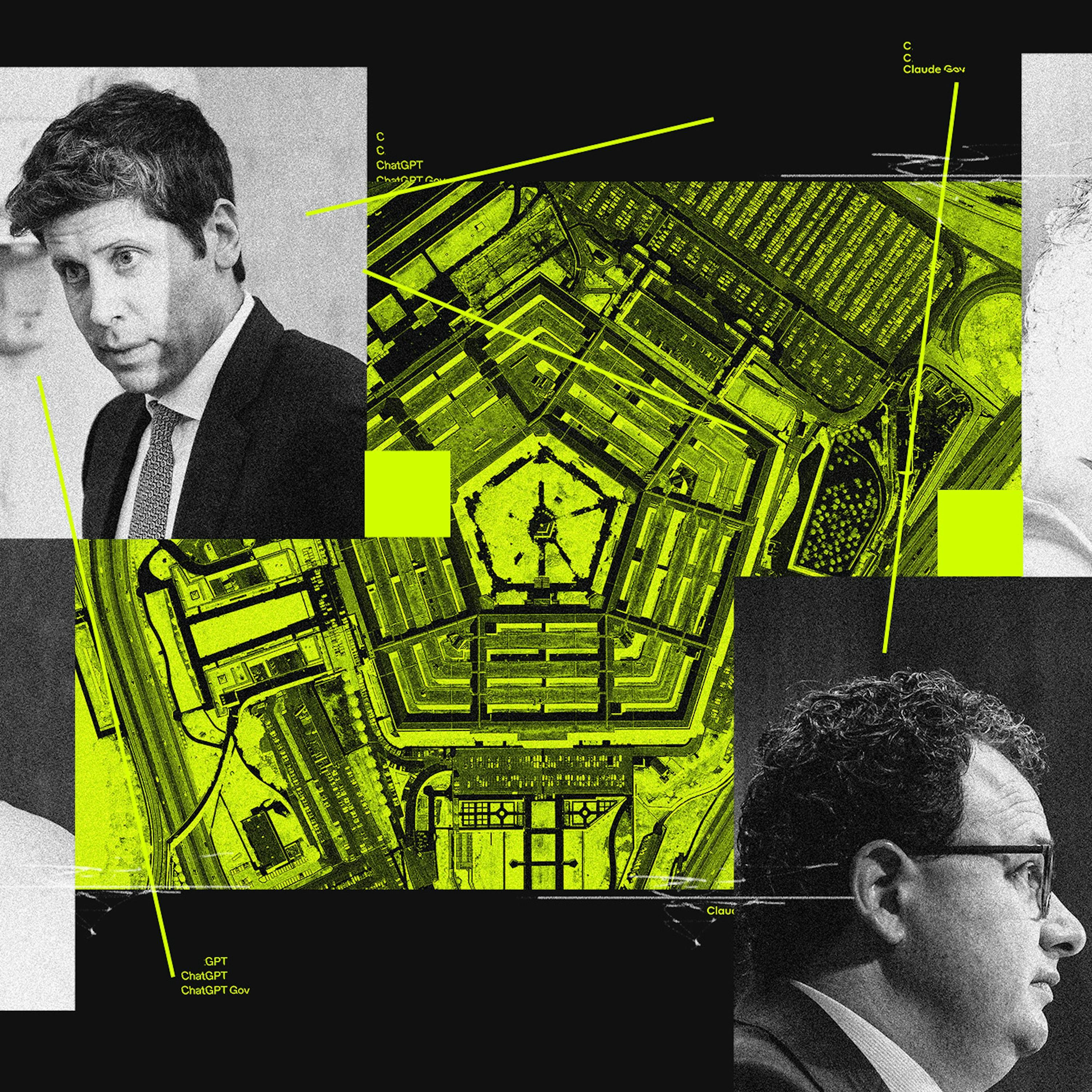
Emil Michael warns that if China steals Anthropic's AI, they can use its full capabilities against the U.S. Meanwhile, the U.S. military would be hobbled by Anthropic's self-imposed restrictions, effectively fighting with one arm tied behind its back against its own technology.

The DoD's threat to place Anthropic on a supply chain risk list—a tool for foreign adversaries—introduces extreme political risk for U.S. tech companies. This tactic could scare away a generation of commercial innovators from defense contracting, harming national security.

Lucrative civilian markets, not government deals, drive frontier tech. By making the defense side of a business a major political and legal liability, the Pentagon risks pushing top companies to completely shun government work, reversing a decades-long, successful dynamic for dual-use technology.
If one AI company, like Anthropic, ethically refuses to remove safety guardrails for a government contract, a competitor will likely accept. This dynamic makes it nearly inevitable that advanced AI will be used for military purposes, regardless of any single company's moral stance.

The Department of War views AI as a tool and contends that a vendor's policies shouldn't supersede U.S. law. Using a Microsoft Office analogy, Michael argues that the user, not the software provider, determines how a tool is used lawfully, especially in matters of national defense.
Adam Brie states it is "dangerously misguided" for tech companies to create policies preventing the military from weaponizing their products. He argues that service members on the front line, operating within democratic oversight, are the ones who should make those life-or-death decisions, not engineers in Silicon Valley.
The US Department of War is so committed to integrating AI into warfare that it blacklisted AI lab Anthropic for stipulating its models couldn't be used for autonomous weapons, revealing an intolerance for ethical limitations from suppliers.
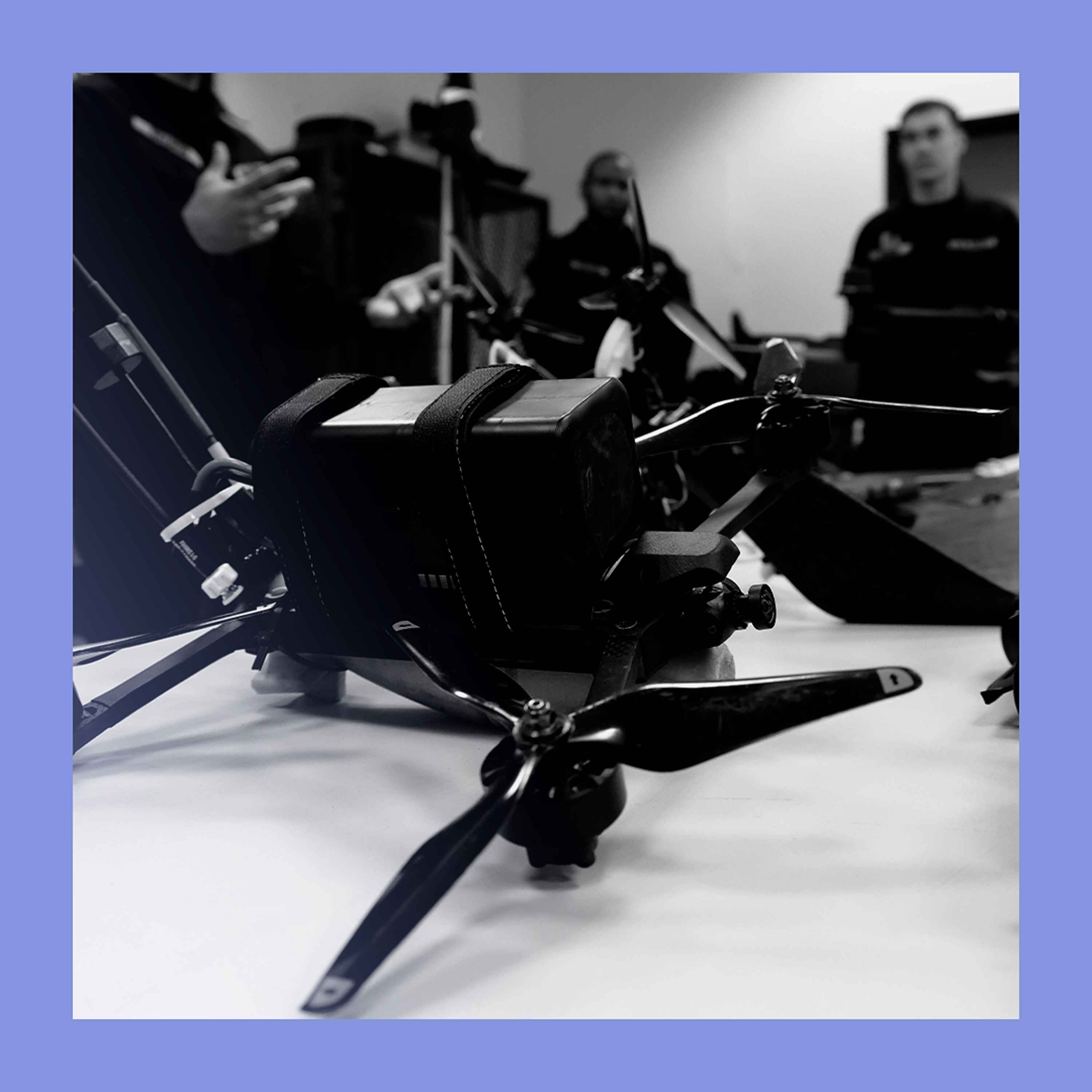
The Department of War is threatening to blacklist Anthropic for prohibiting military use of its AI, a severe penalty typically reserved for foreign adversaries like Huawei. This conflict represents a proxy war over who dictates the terms of AI use: the technology creators or the government.

The DoD insists that tech providers agree to any lawful use of their technology, arguing that debates over controversial applications like autonomous weapons belong in Congress, not in a vendor's terms of service.
