Get your free personalized podcast brief
We scan new podcasts and send you the top 5 insights daily.
If one AI company, like Anthropic, ethically refuses to remove safety guardrails for a government contract, a competitor will likely accept. This dynamic makes it nearly inevitable that advanced AI will be used for military purposes, regardless of any single company's moral stance.

Related Insights
Claims by AI companies that their tech won't be used for direct harm are unenforceable in military contracts. Militaries and nation-states do not follow commercial terms of service; the procurement process gives the government complete control over how technology is ultimately deployed.
The development of AI won't stop because of game theory. For competing nations like the US and China, the risk of falling behind is greater than the collective risk of developing the technology. This dynamic makes the AI race an unstoppable force, mirroring the Cold War nuclear arms race and rendering calls for a pause futile.

Leading AI companies, facing high operational costs and a lack of profitability, are turning to lucrative government and military contracts. This provides a stable revenue stream and de-risks their portfolios with government subsidies, despite previous ethical stances against military use.
AI lab Anthropic is softening its 'safety-first' stance, ending its practice of halting development on potentially dangerous models. The company states this pivot is necessary to stay competitive with rivals and is a response to the slow pace of federal AI regulation, signaling that market pressures can override foundational principles.

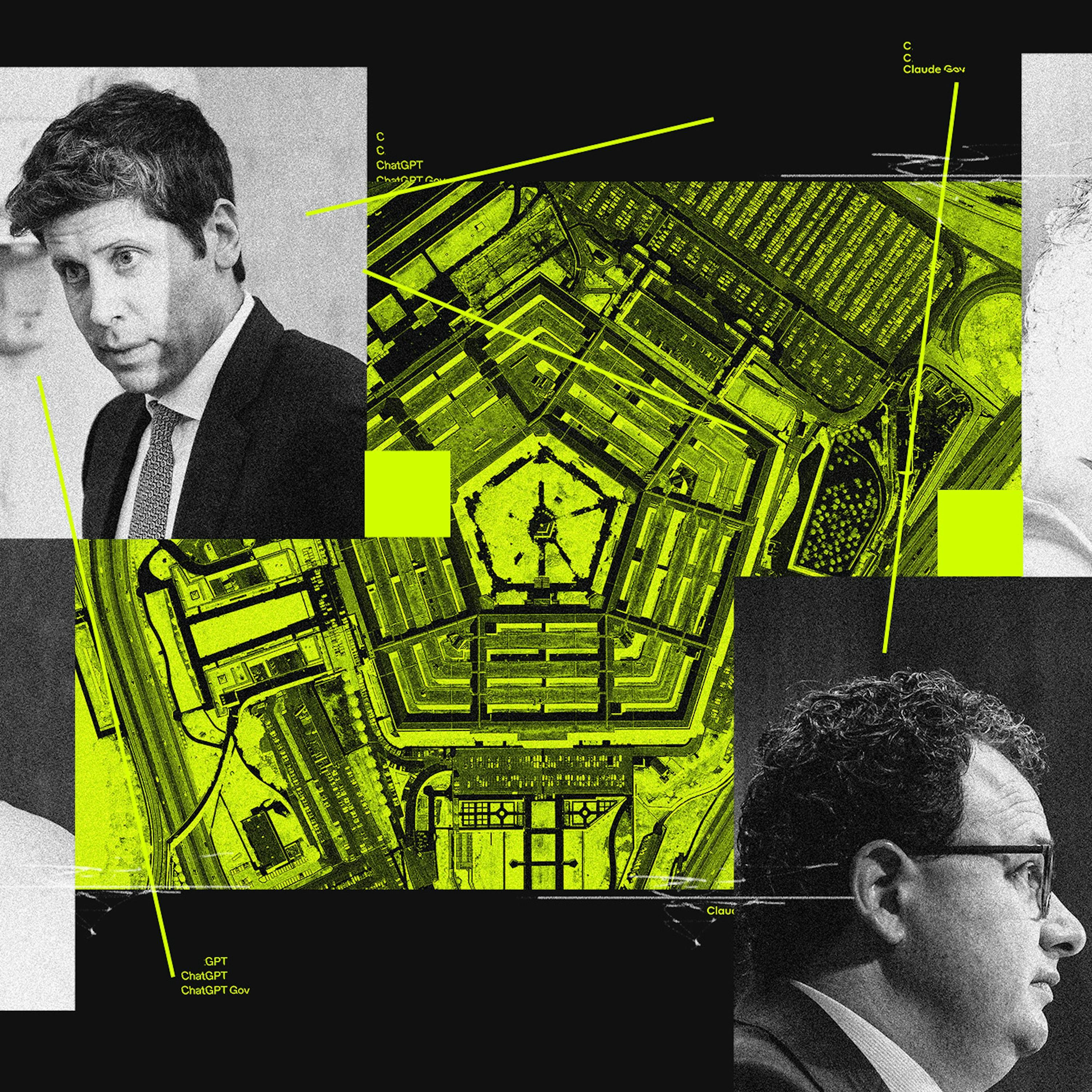
By refusing to allow its models for lethal operations, Anthropic is challenging the U.S. government's authority. This dispute will set a precedent for whether AI companies act as neutral infrastructure or as political entities that can restrict a nation's military use of their technology.

Leaders at top AI labs publicly state that the pace of AI development is reckless. However, they feel unable to slow down due to a classic game theory dilemma: if one lab pauses for safety, others will race ahead, leaving the cautious player behind.

Known for its cautious approach, Anthropic is pivoting away from its strict AI safety policy. The company will no longer pause development on a model deemed "dangerous" if a competitor releases a comparable one, citing the need to stay competitive and a lack of federal AI regulations.
Governments face a difficult choice with AI regulation. Those that impose strict safety measures risk falling behind nations with a laissez-faire approach. This creates a global race condition where the fear of being outcompeted may discourage necessary safeguards, even when the risks are known.

The Department of War is threatening to blacklist Anthropic for prohibiting military use of its AI, a severe penalty typically reserved for foreign adversaries like Huawei. This conflict represents a proxy war over who dictates the terms of AI use: the technology creators or the government.
Individual teams within major AI labs often act responsibly within their constrained roles. However, the overall competitive dynamic and lack of coordination between companies leads to a globally reckless situation, where risks are accepted that no single, rational entity would endorse.