Get your free personalized podcast brief
We scan new podcasts and send you the top 5 insights daily.
LaFrieda turned commodity meat into a premium product by creating exclusive, NDA-protected custom blends for top chefs. This created a moat and allowed chefs to market "LaFrieda Meats" on their menus, building a powerful B2B2C brand.

Related Insights
Rather than relying on patents, the founder built a defensible moat using brand strategy. This includes unique content, community engagement, and a trade-secret recipe, making it harder for competitors to replicate their success even if they copy the physical product.
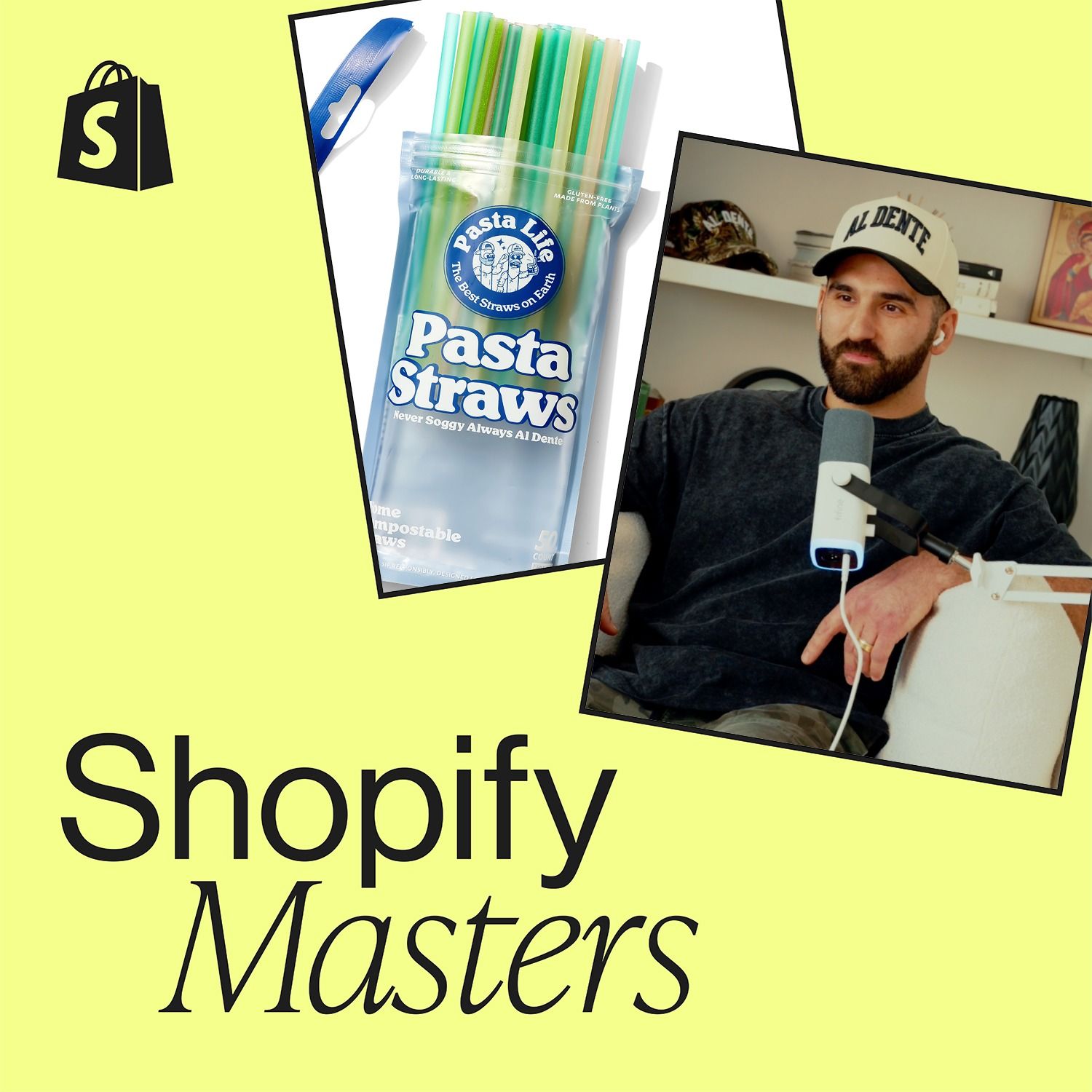
Instead of patenting its sauce recipe—which requires public disclosure and expires in 20 years—Raising Cane's uses costly operational secrecy. This protects the formula indefinitely and, more importantly, transforms the sauce from a simple condiment into a valuable, unifying brand myth.

Influential chefs are reluctant to promote finished CPG products (like sauces) that compete with their expertise. However, they will champion a premium ingredient brand like Bold Bean Co. because it enhances their own recipes without compromising their culinary authority, making them natural advocates.
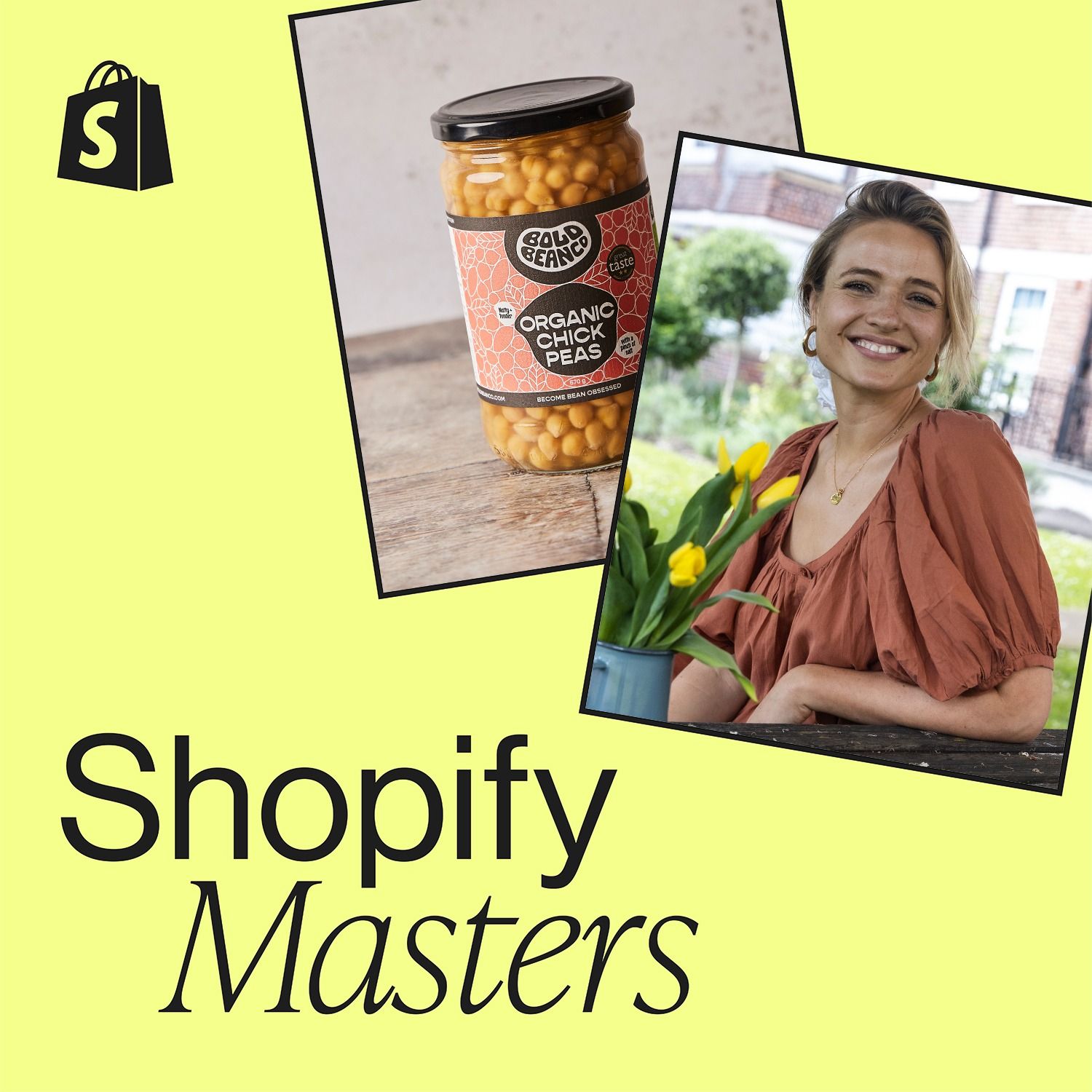
When denied a patent, founder Rianne Silva was advised that strong brand recognition could be an equally powerful defense. She focused on building brand equity among professionals, which became her primary protection against copycats when they eventually emerged.
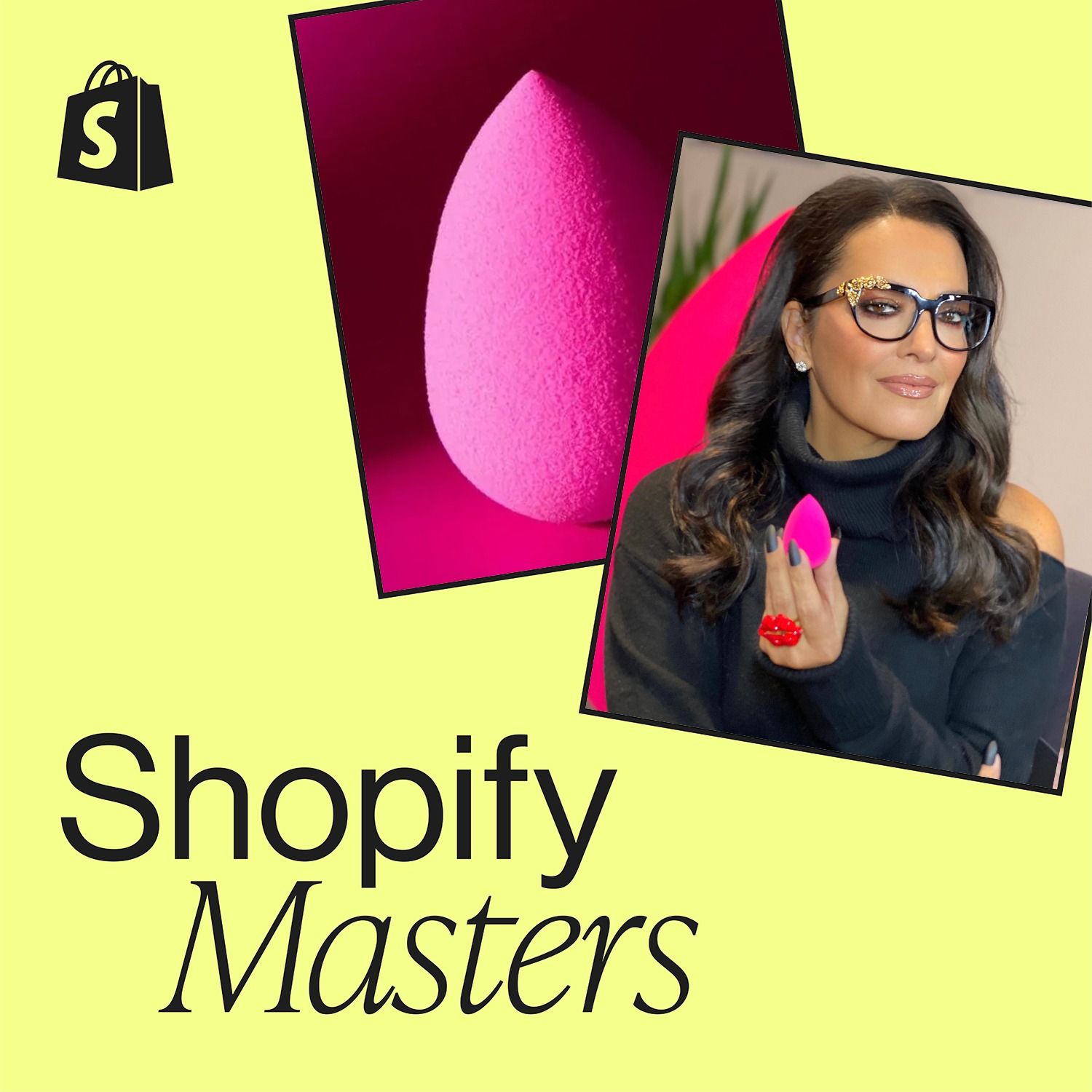
Persisting with a difficult, authentic, and more expensive production process, like using fresh ingredients instead of flavorings, is not a liability. It is the very thing that builds a long-term competitive advantage and a defensible brand story that copycats cannot easily replicate.

Instead of mass-market appeal, La Colombe focused on becoming the coffee supplier for the world's best restaurants. They believed that if they could win over the most discerning palates, their reputation for quality would cascade down to the general public, creating an unassailable brand.
When entering the market, La Colombe's wholesale price was over five times the standard rate. They overcame price objections from chefs by reframing coffee not as a commodity beverage, but as a high-quality "spice," an essential ingredient where quality dictates the price.
By making fundamental components like bread, bacon, and butter from scratch, a restaurant creates a tangible story of quality and craftsmanship. This narrative elevates a simple dish, like a bacon sandwich, into a premium experience, providing real value that resonates with customers.

A brand is a powerful moat that makes a generic product unique in the customer's mind. For example, Revlon and a generic CVS-brand makeup can come from the same factory, but the Revlon brand commands a higher price, conversion rate, and customer loyalty.

A brand can make a generic product unique, commanding higher prices and loyalty. Products may come off the same manufacturing line as a generic store brand, but the brand itself allows for a price premium, higher conversion, and increased stickiness, effectively creating a moat where one didn't exist.