Get your free personalized podcast brief
We scan new podcasts and send you the top 5 insights daily.
FanDuel CEO Amy Howe advises professionals to be open to unforeseen opportunities. Her own career was defined by walking through doors she hadn't planned on, each one opening a new world. This mindset favors exploration and adaptability over a rigid career plan.

Related Insights
Employees who strictly adhere to their job description are likely to remain in the same role for years. Going above and beyond, such as cleaning a boss's station to simply be in their orbit, builds a reputation and relationships that lead to unexpected opportunities.

A fixed long-term career plan can be paralyzing. Instead, view your dream future as being on the other side of a lake covered in lily pads. Your job is to leap to the next immediate opportunity that energizes you, creating a flexible, compounding journey without the pressure of a grand vision.

Uber's CEO advises against overly detailed career plans, arguing they create confirmation bias and a lack of curiosity. People with rigid plans look for signals that validate their path and ignore unexpected opportunities. His advice: "Before you go out and try to change a world, let the world change you first."

The most potent advice for career growth is to take more risks. This includes moving across the country for an opportunity or even taking a job that appears to be a step down in title or pay if it aligns better with your long-term goals. The potential upside of such calculated risks often outweighs the downside.

Ed Perks advises recent graduates against trying to pinpoint their perfect job from day one. Instead, he suggests getting into an industry you find interesting and being open to opportunities as they arise. His own successful career evolved from being willing to "put my hand up" for new roles.

Significant career advancements often stem from changes in self-perception and belief. Adopting a mindset where you believe you belong at the next level and can own your value changes how you act and how others perceive you, creating opportunities that skills alone cannot.

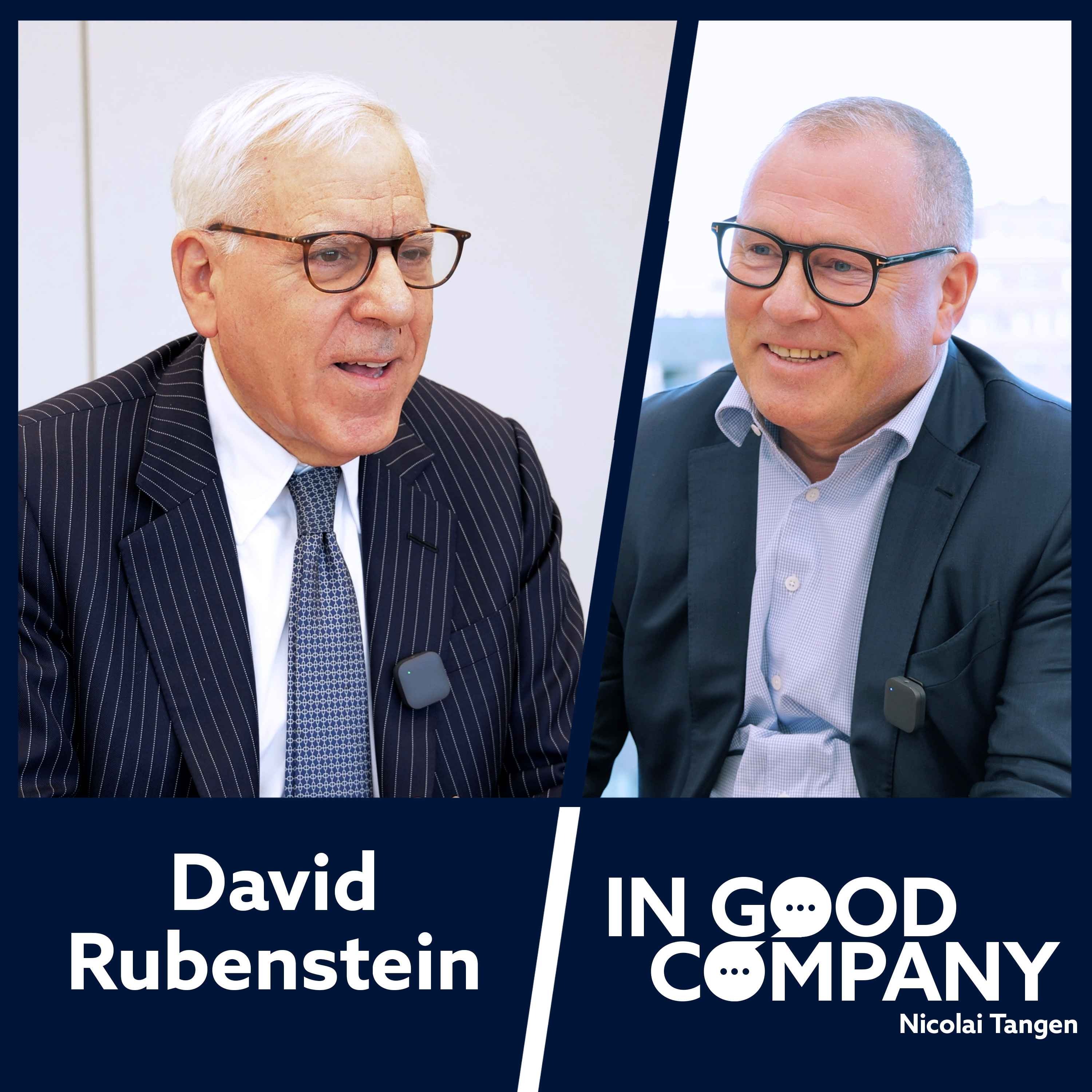
David Rubenstein's successful second act as a TV interviewer wasn't a planned career move calculated with consultants. It emerged organically from a simple need to make his firm's investor events less boring. This highlights how the most transformative professional opportunities often arise from solving unexpected problems, not from a formal strategic plan.
Alexander Titus's career path has been shaped by prioritizing working on hard things with good people over a fixed, long-term plan. This flexible, people-first approach has led him to unique, "first-of-their-kind" roles across government, VC, and industry that a rigid plan would have missed.

Successful people with unconventional paths ('dark horses') avoid rigid five or ten-year plans. Like early-stage founders, they focus on making the best immediate choice that aligns with their fulfillment, maintaining the agility to pivot. This iterative approach consistently outperforms fixed, long-term roadmaps.
Traditional career paths are like climbing stairs—steady but limited. A more impactful path involves 'J-curves': taking on roles you feel unqualified for. This leads to an initial dip in performance and confidence ('the fall'), but ultimately catapults you far beyond where the stairs could have taken you.