Get your free personalized podcast brief
We scan new podcasts and send you the top 5 insights daily.
Alexander Titus's career path has been shaped by prioritizing working on hard things with good people over a fixed, long-term plan. This flexible, people-first approach has led him to unique, "first-of-their-kind" roles across government, VC, and industry that a rigid plan would have missed.

Related Insights
Don't commit to a rigid career plan. Instead, treat your career like a product. Run small-scale experiments or 'MVPs'—like a 20% project, a volunteer role, or a teaching gig—to test your interest and aptitude for new skills before making a full commitment, then iterate based on the results.

A fixed long-term career plan can be paralyzing. Instead, view your dream future as being on the other side of a lake covered in lily pads. Your job is to leap to the next immediate opportunity that energizes you, creating a flexible, compounding journey without the pressure of a grand vision.

Instead of having a fixed career goal, Ryan Smith evaluated opportunities against core attributes he valued, such as uncapped potential and leadership. This allowed him to recognize the massive opportunity in enterprise software, a field he never would have considered otherwise.

Ferriss advises against rigid long-term career plans, which he believes are too safe. Instead, he focuses on 6-12 month projects chosen specifically for the transferable skills and relationships they build. These assets create compounding value, even if the initial project fails, as shown by his journey from StumbleUpon to Uber.

Prioritizing a work environment with a strong, shared belief system over a higher salary is a powerful career accelerator. David Droga consistently took pay cuts to join teams with creative conviction, which ultimately placed him in positions to do his best work and grow faster.

A linear career path is not required for success. Businesses ultimately value high performers who demonstrate an ownership mentality and consistently drive impact. Focusing on helping the business win creates opportunities to move across roles and industries, making your journey more valuable.

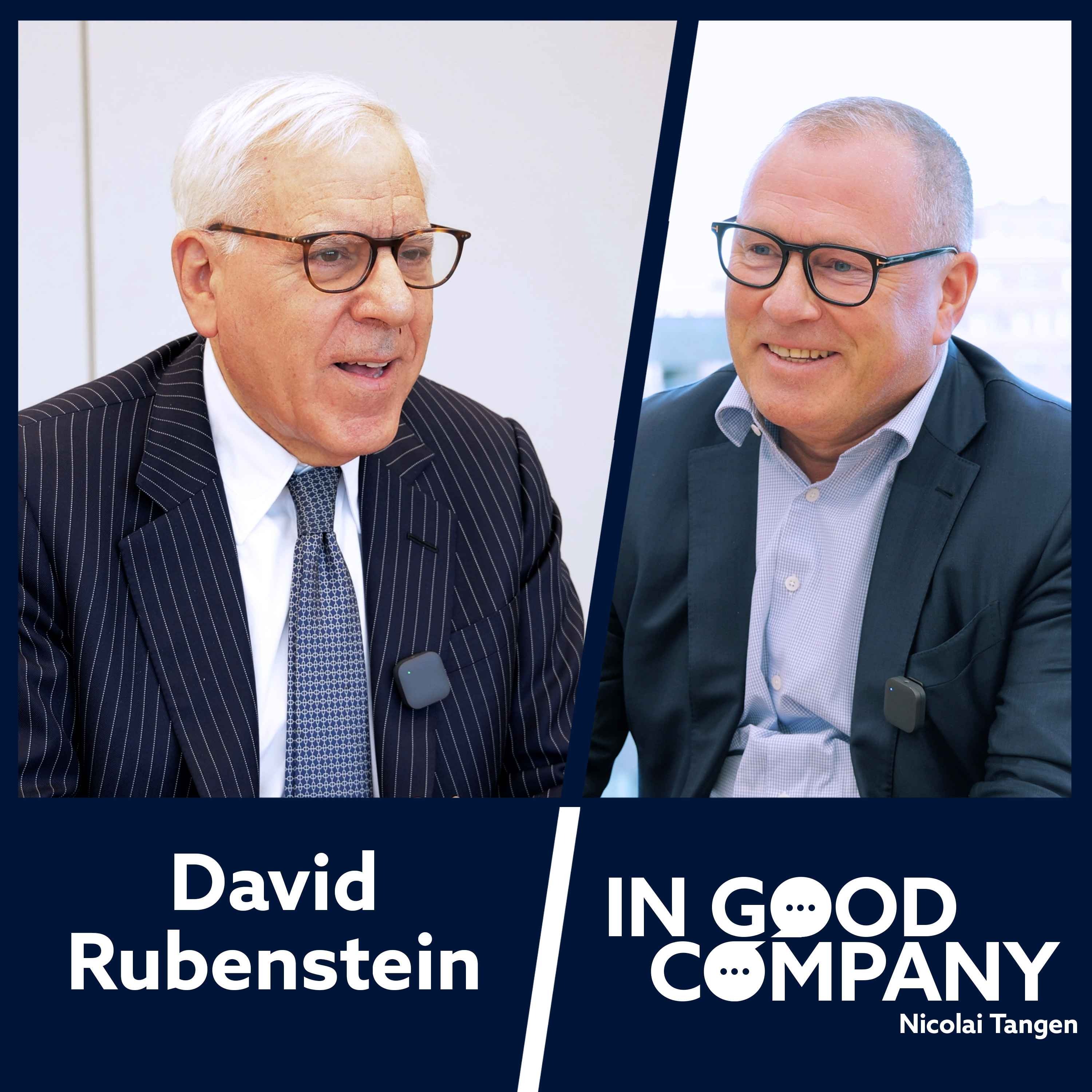
David Rubenstein's successful second act as a TV interviewer wasn't a planned career move calculated with consultants. It emerged organically from a simple need to make his firm's investor events less boring. This highlights how the most transformative professional opportunities often arise from solving unexpected problems, not from a formal strategic plan.
While having a clear, formulaic professional identity (e.g., 'the B2B SaaS investor') helps with fundraising, being interesting and unlabelable attracts more serendipitous and potentially groundbreaking opportunities. People with diverse passions create a magnet for other interesting people and ideas.
Successful people with unconventional paths ('dark horses') avoid rigid five or ten-year plans. Like early-stage founders, they focus on making the best immediate choice that aligns with their fulfillment, maintaining the agility to pivot. This iterative approach consistently outperforms fixed, long-term roadmaps.
Eschewing a direct corporate ladder for a varied, non-linear "jungle gym" path exposes aspiring leaders to diverse challenges. This broad experience fosters adaptability and a more holistic business understanding, ultimately creating more well-rounded and effective senior executives.
