Get your free personalized podcast brief
We scan new podcasts and send you the top 5 insights daily.
Canva operates on a simple plan: 1) build one of the world's most valuable companies, and 2) do the most good possible. This purpose-driven approach, including the founders' pledge to give away their wealth, grounds company decisions and culture beyond typical CSR.

Related Insights
The 20th-century view of shareholder primacy is flawed. By focusing first on creating wins for all stakeholders—customers, employees, suppliers, and society—companies build a sustainable, beloved enterprise that paradoxically delivers superior returns to shareholders in the long run.

MasterCard's purpose-driven marketing is designed to be self-funding. During its 'Stand Up to Cancer' campaign, the company's donation incentivizes card usage. This drives a permanent market share gain that generates enough incremental revenue to cover the charitable donation, proving purpose and profit are not mutually exclusive.
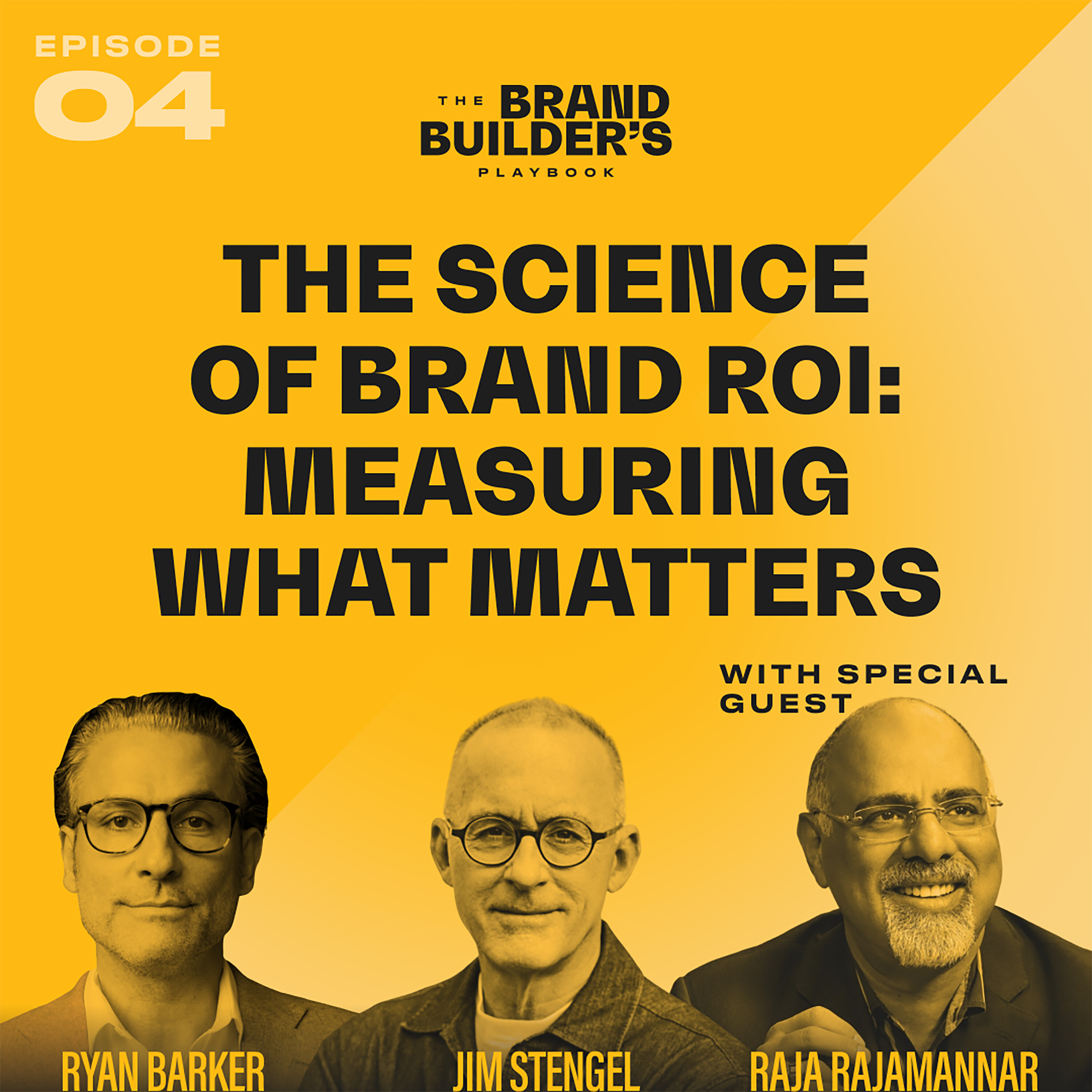
Wild Rye, a certified B Corp, finds that taking strong public stances on issues like reproductive rights amplifies their brand and strengthens customer loyalty. The founder believes this creates a financial upside that is far greater than the direct costs of donations and certifications, especially for a growing brand.
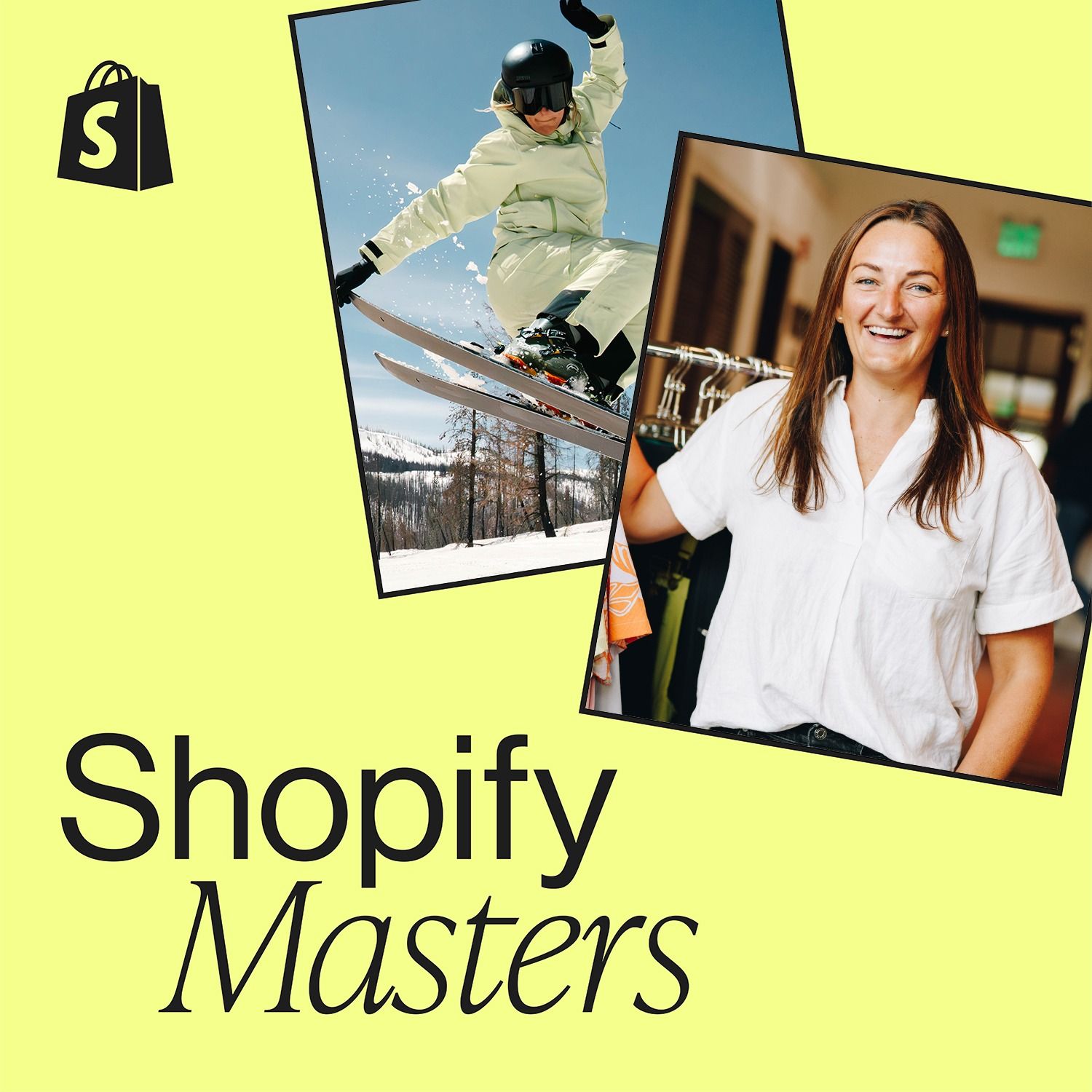
To maintain its culture across 5,000+ employees, Canva identified 12 skills embodying success. These are codified and woven into every part of the employee lifecycle, from onboarding to performance reviews, ensuring consistent cultural alignment as the company grows.
Canva's core driver is user empathy, scaled via a program called "Close the Loop." They systematically collect, prioritize, and build based on over a million annual feature requests, even notifying the original user when their "wish" is shipped, creating a powerful feedback loop.
Canva's core mission is a "two-step plan": 1) build a valuable company and 2) do good. Crucially, this isn't a sequential plan for after an exit. They believe step one fuels step two (and vice versa), integrating purpose directly into the business model from day one.
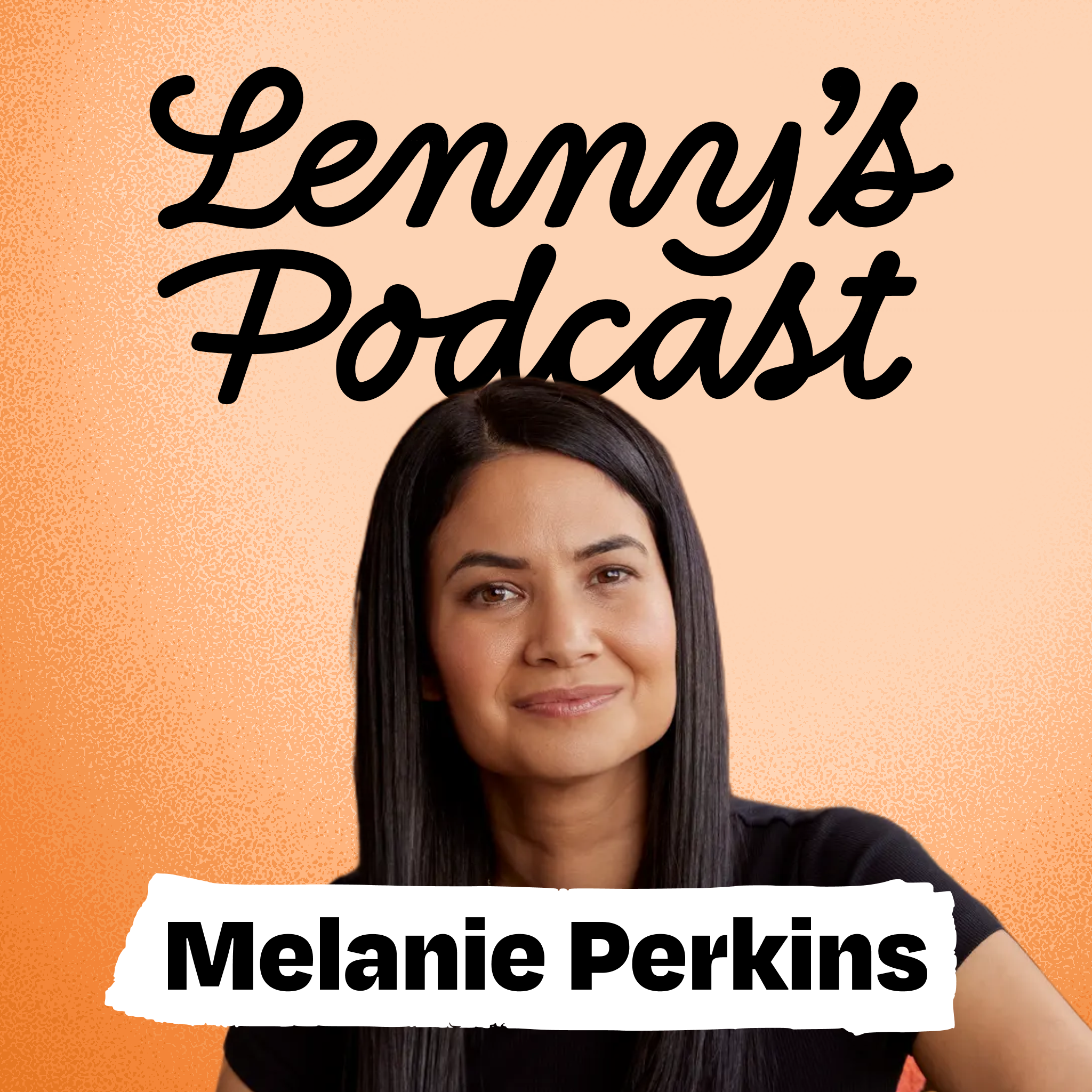
The shift to a nonprofit was a strategic decision to create an incentive structure that prioritizes maximizing educational impact over profit. This move prevents future leaders from pivoting to more lucrative but less mission-aligned business models like freemium services or selling to EdTech companies.

One-off volunteer days or CSR initiatives are superficial fixes that employees recognize as inauthentic. Purpose must be the core reason a company exists and be embedded in every decision, not treated as a separate, performative activity to boost public image.
Salesforce embedded its 1-1-1 model (1% equity, product, time) at its founding when the company had no valuable equity, product, or many employees. This strategy of starting small built philanthropy into the company's DNA from day one, allowing it to scale into a massive program without disruptive cultural or financial shocks later on.

Long-term business sustainability isn't about maximizing extraction. It's about intentionally providing more value (51%) to your entire ecosystem—customers, employees, and partners—than you take (49%). When you genuinely operate as if you work for your employees, you create the leverage for sustainable growth.
