Get your free personalized podcast brief
We scan new podcasts and send you the top 5 insights daily.
Being radically clear about a long-term goal, like Gary Vaynerchuk's public aim to buy the NY Jets, does more than align your actions. It serves as a North Star that attracts and enrolls your audience and even strangers to actively support your journey.

Related Insights
To ensure alignment, Matt Spielman's coaching process starts with senior leadership. When managing partners define and share their "game plans," their goals become the organization's goals. This creates a natural cascading effect, as direct reports align their own objectives to support the firm's primary mission.
![[REPLAY] Matt Spielman – Executive Coaching in Asset Management (Capital Allocators, EP.210) thumbnail](https://static.libsyn.com/p/assets/f/b/7/6/fb76e1c8bfb69e8dd959afa2a1bf1c87/CA_Square_logo_light_background_6.26.24.jpg)
Instead of traditional marketing, using obscure channels forces your most dedicated fans to dig for information. This transforms them into evangelists who spread the word to the wider, more passive audience, creating an organic and powerful marketing engine built on scarcity and discovery.

The human desire to belong is often stronger than the desire for self-improvement. If your habits conflict with your social group, you'll likely abandon them. The most effective strategy is to join a culture where your goals are the norm, turning social pressure into a powerful tailwind for success.

When leaders are stuck defining their organization's mission, this question forces a shift from generic goals like survival to tangible impact. It clarifies the unique value provided to customers and society, revealing a more motivating and authentic purpose beyond simply 'staying in business.'
When trying to influence external partners, start with those most eager to collaborate. This 'coalition of the willing' builds momentum, helps set standards, and creates social pressure for larger, slower-moving players to join the initiative.

To avoid creating pointless content, use the Brand Journey Framework. It defines your purpose by asking: 1) What is my desired outcome? 2) What reputation do I need to achieve it? 3) What actions must I take to build that reputation? 4) What skills must I learn? This roadmap connects every content effort to a tangible goal.

Instead of optimizing for a quick win, founders should be "greedy" and select a problem so compelling they can envision working on it for 10-20 years. This long-term alignment is critical for avoiding the burnout and cynicism that comes from building a business you're not passionate about. The problem itself must be the primary source of motivation.

The best long-term strategy isn't the one with the highest short-term growth, but the one you're genuinely passionate about. This intrinsic motivation leads to sustained effort and eventual success, even if it seems suboptimal initially. It's about playing the long game fueled by passion, not just metrics.

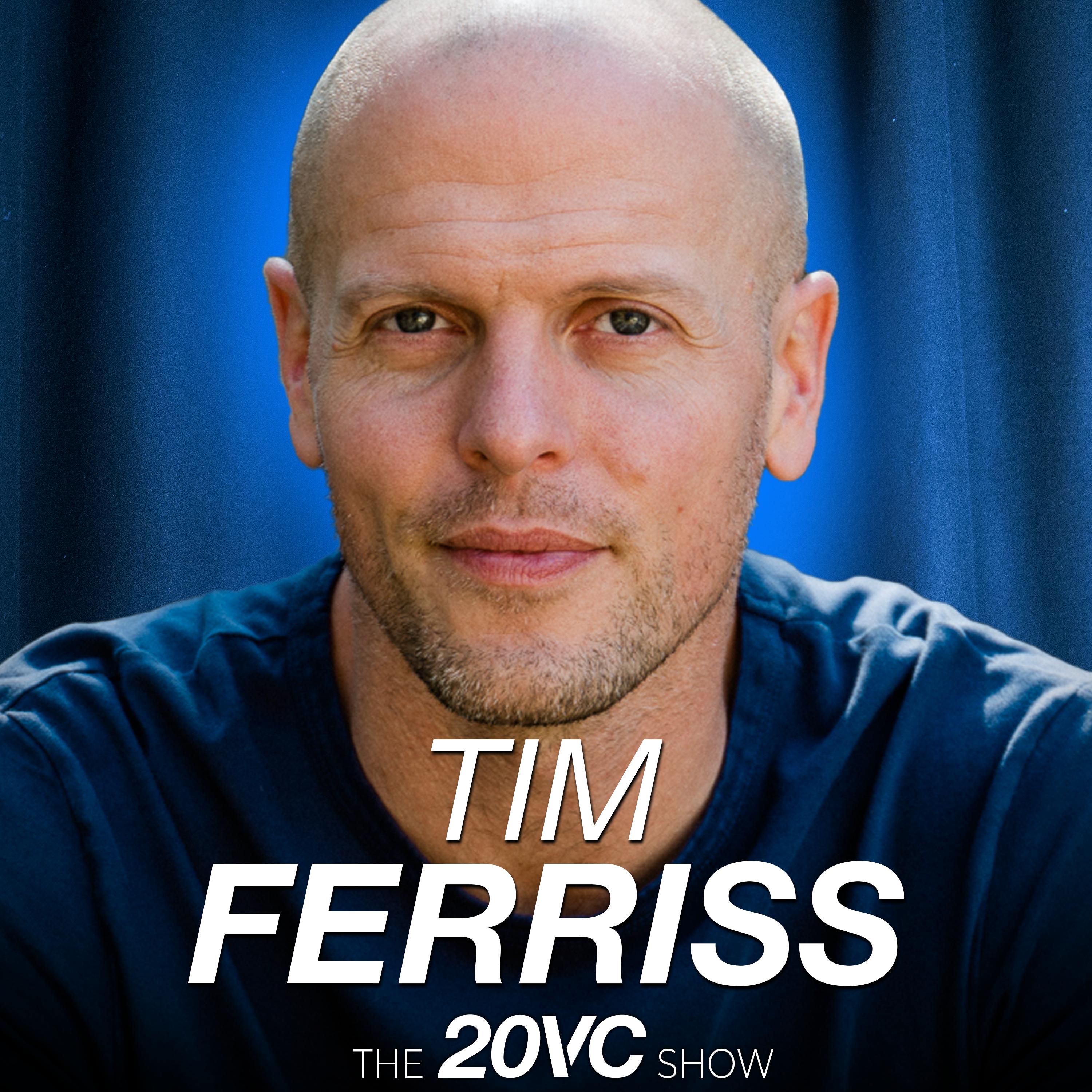
To achieve massive reach, start with a hyper-specific target audience. By writing "The 4-Hour Workweek" for just two friends and marketing it to a narrow demographic in one city, Tim Ferriss created a concentrated ripple effect that naturally expanded to millions. A broad approach dilutes your message.
Don't dismiss the success of celebrity brands as unattainable. Instead, analyze the core mechanism: massive 'free reach' and 'memory generation.' The takeaway isn't to hire a celebrity, but to find your own creative ways to generate a similar level of organic attention and build a tribe around your brand.