Get your free personalized podcast brief
We scan new podcasts and send you the top 5 insights daily.
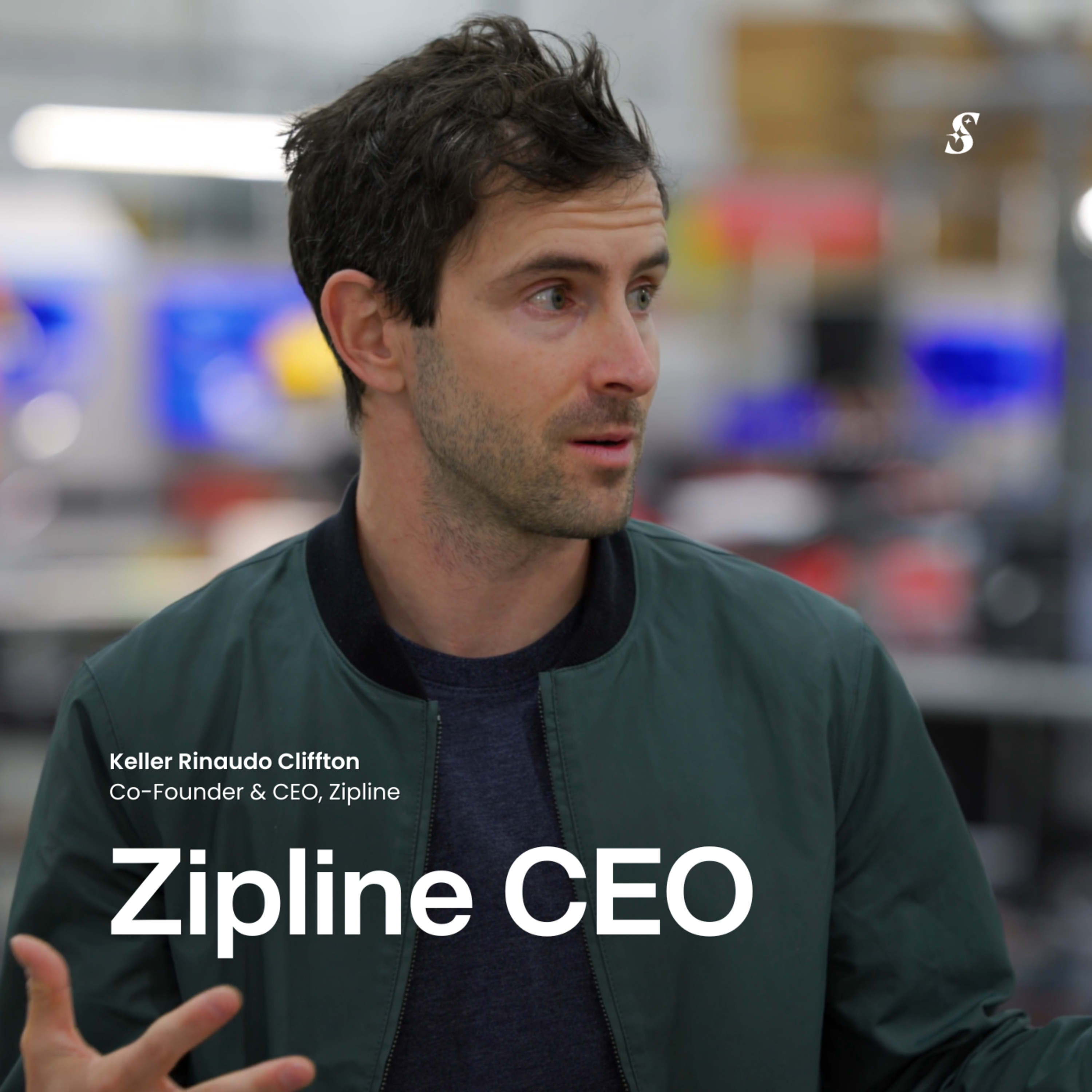
Counterintuitively, Zipline finds that hard technical problems are more tractable than "human problems." The company's growth is limited not by its ability to solve engineering challenges, but by the scarcity of leaders who can hire world-class talent, manage performance, and fire effectively.

Related Insights
Many late-stage investors focus heavily on data and metrics, forgetting that the quality of the leadership team remains as critical as in the seed stage. A new CEO, for example, can completely pivot a large company and reignite growth, a factor that quantitative analysis often misses.
The implosion of AI startup Thinking Machines highlights a critical risk: deep-tech companies require CEOs with profound technical expertise. Top researchers are motivated by working on hard problems with visionary technical leaders, and a non-technical CEO struggles to attract and retain this S-tier talent.
The paradigm has shifted from linear scaling (more people equals more revenue) to efficiency-driven growth. Leaders who still use "I don't have enough headcount" as an excuse for missing targets are operating with an obsolete model and hindering progress in the AI era.
Leaders in rapidly scaling companies must anticipate leadership needs 6-9 months in advance. Waiting until the gap is obvious means you are already behind, given the long recruitment and ramp times for senior talent. This lag creates a capacity bottleneck that can cause the company to miss its goals.

Companies often fail by promoting high-performing individual contributors into leadership without teaching them how to scale their judgment. The new leader's job is not to solve problems directly but to define what "good" looks like and enable their teams to get there.

To manage hypergrowth, a startup must hire leaders who have already experienced scale orders of magnitude greater. Zipline hired ex-Tesla CFO Deepak Ahuja, who had scaled Tesla to a trillion-dollar valuation. This brings in crucial experience to navigate the challenges of the next growth phase that the existing team has never seen.
The common VC advice to hire "professional managers" when scaling often introduces rigid, bureaucratic systems. Instead, seek dynamic leaders who can operate in a fluid, high-growth environment, even if they lack a traditional management resume. Prioritize adaptability over process.

Building a self-sustaining business requires hiring the world's best people. However, top talent like Apple's Jony Ive or Elon Musk's engineers only work for visionary leaders with a proven track record. The ultimate constraint on your ability to attract A-players is your own credibility and ability to sell a compelling future.

The most important job of a leader is team building. This means deliberately hiring functional experts who are better than the CEO in their specific fields. A company's success is a direct reflection of the team's collective talent, not the CEO's individual brilliance.

Zipline prioritizes innate characteristics—practical problem-solving, fast learning, low ego, and mission drive—over specific experience. By the time a new hire is onboarded, the job they were hired for has often changed, making adaptable traits far more valuable for success.