Get your free personalized podcast brief
We scan new podcasts and send you the top 5 insights daily.
The implosion of AI startup Thinking Machines highlights a critical risk: deep-tech companies require CEOs with profound technical expertise. Top researchers are motivated by working on hard problems with visionary technical leaders, and a non-technical CEO struggles to attract and retain this S-tier talent.
Related Insights
Z.AI's culture mandates that technical leaders, including the founder, remain hands-on practitioners. The AI field evolves too quickly for a delegated, hands-off management style to be effective. Leaders must personally run experiments and engage with research to make sound, timely decisions.
The ideal founder archetype starts with deep technical expertise and product sense. They then develop exceptional business and commercial acumen over time, a rarer and more powerful combination than a non-technical founder learning the product.
![David George - Building a16z Growth, Investing Across the AI Stack, and Why Markets Misprice Growth - [Invest Like the Best, EP.450] thumbnail](https://megaphone.imgix.net/podcasts/8da7dbd8-ceeb-11f0-941c-ef83bcdd4c9f/image/d44107bc94719f78fbe91befb141073e.jpg?ixlib=rails-4.3.1&max-w=3000&max-h=3000&fit=crop&auto=format,compress)
A scientific background can be a major asset in a CEO role, not a liability. The core principles of science—making data-driven, rational, and unemotional decisions—translate directly to the business world. This allows for objective choices that align scientific development with the company's business needs.
The drama at Thinking Machines, where co-founders were fired and immediately rejoined OpenAI, shows the extreme volatility of AI startups. Top talent holds immense leverage, and personal disputes can quickly unravel a company as key players have guaranteed soft landings back at established labs, making retention incredibly difficult.

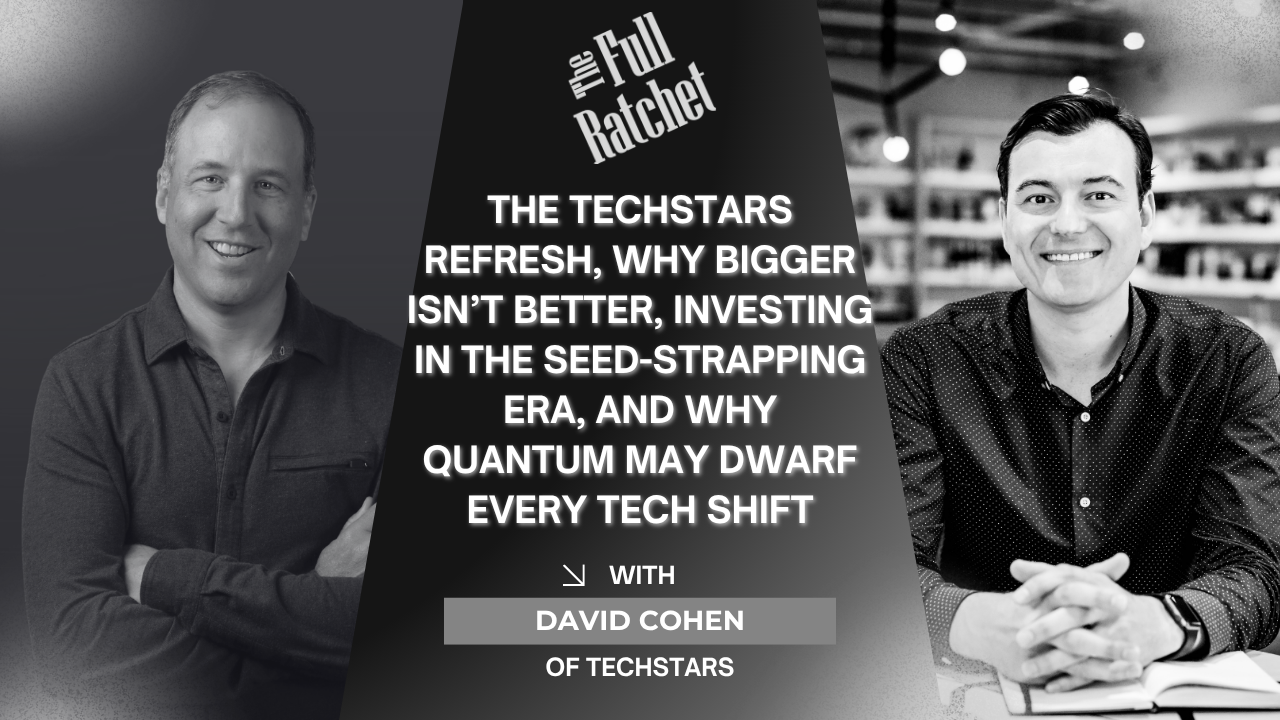
According to Techstars' CEO David Cohen, standout AI companies are defined by their leadership. The CEO must personally embody an "AI-first" mindset, constantly thinking about leverage and efficiency from day one. It's not enough to simply lead a team of engineers who understand AI; the strategic vision must originate from the top.
In capital-intensive sectors, the idea is secondary to the founder's ability to act as a magnet. Their primary function is to relentlessly attract elite talent and secure continuous funding to survive long development timelines before revenue.
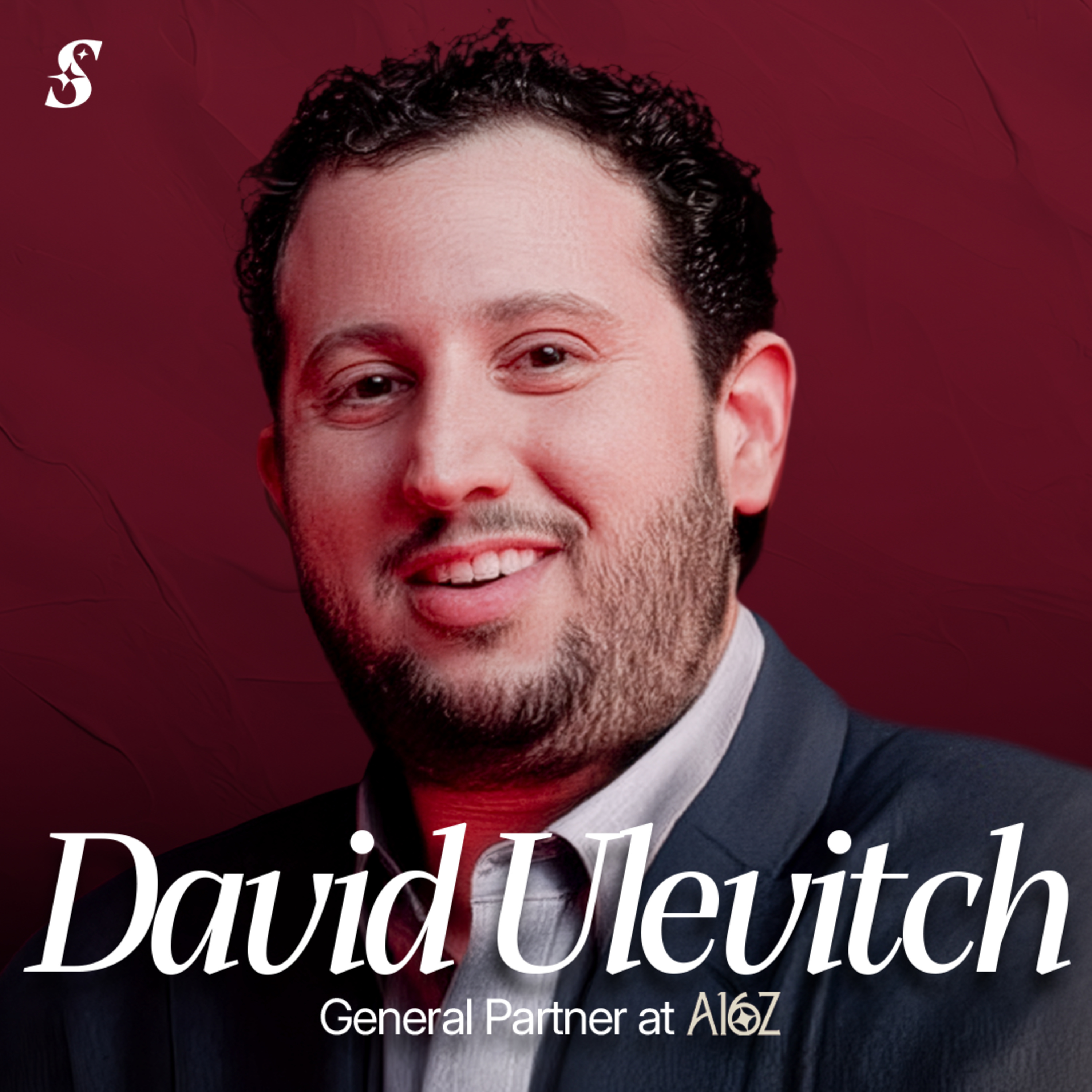
An engineering background provides strong first-principles thinking for a CEO. However, to effectively scale a company, engineer founders must elevate their identity to become a specialist in all business functions—sales, policy, recruiting—not just product.

Investor preference for CEOs has shifted dramatically. While 2019-2021 favored scientific founder-CEOs, today’s tough market demands leaders with prior CEO experience. The ideal candidate has a "matrix organization" background, understanding all business functions, not just the science.
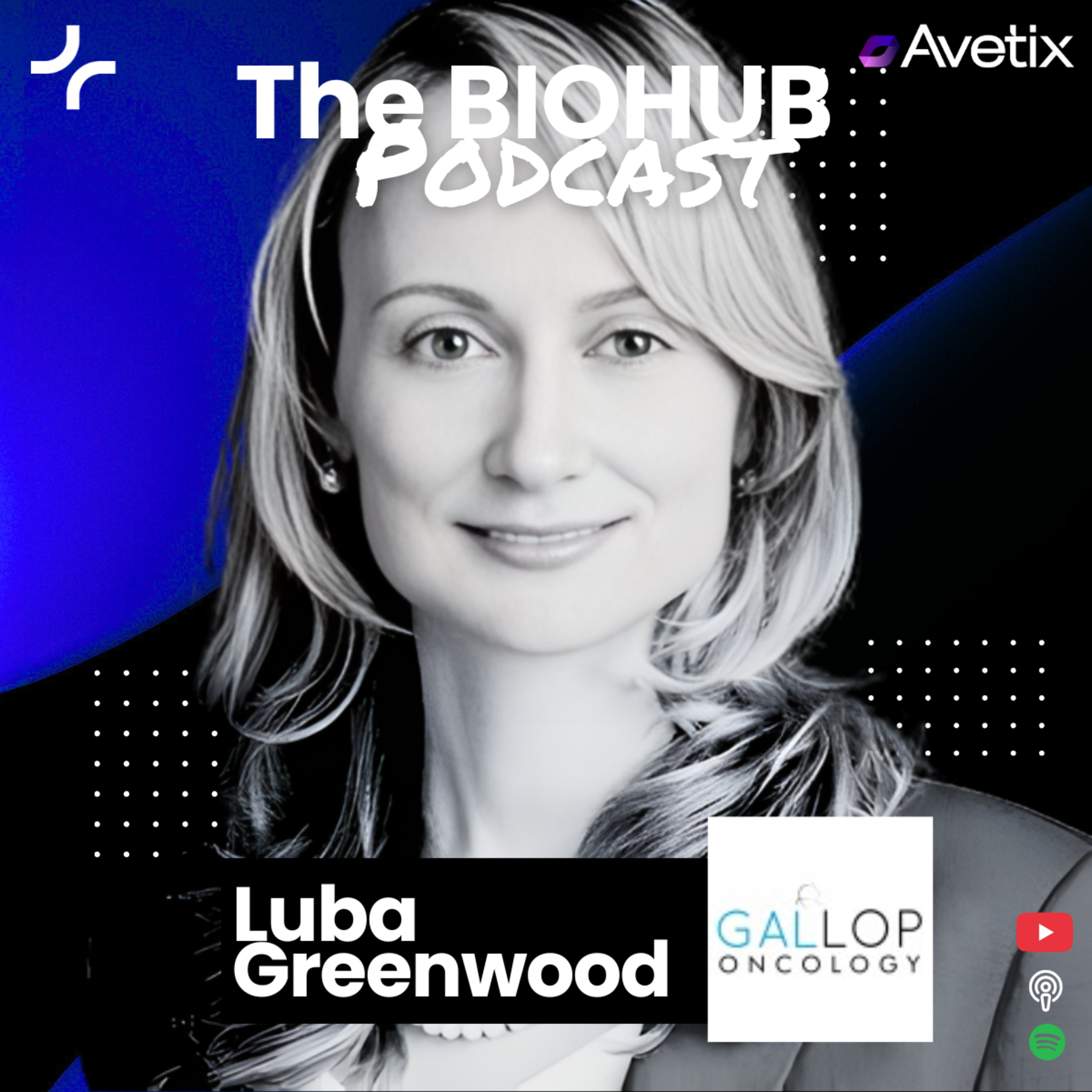
Thinking Machines Lab, founded by ex-OpenAI leaders, raised $2B pre-product. Its current struggles, including executive departures and inability to raise more funds, suggest investors are shifting focus from founder hype ('vibe founding') to concrete products and business strategies.

The most important job of a leader is team building. This means deliberately hiring functional experts who are better than the CEO in their specific fields. A company's success is a direct reflection of the team's collective talent, not the CEO's individual brilliance.
