Get your free personalized podcast brief
We scan new podcasts and send you the top 5 insights daily.
Leaders in rapidly scaling companies must anticipate leadership needs 6-9 months in advance. Waiting until the gap is obvious means you are already behind, given the long recruitment and ramp times for senior talent. This lag creates a capacity bottleneck that can cause the company to miss its goals.

Related Insights
To improve hiring decisions, founders should proactively meet top performers in roles they anticipate needing in 2-3 quarters. This isn't for immediate hiring but to build a mental model of excellence for that specific function and stage, which sharpens intuition when you do start recruiting.

Instead of waiting for a specific revenue milestone, the strongest signal that it's time to hire is feeling consistently overwhelmed. This feeling indicates you are already "behind the eight ball" and need to begin the hiring process to prevent burnout and enable growth.

Processes that work at $30M are inadequate at $45M. Leaders in hyper-growth environments (30-50% YoY) must accept that their playbooks have a short shelf-life and require constant redesign. This necessitates hiring leaders who can build for the next level, not just manage the current one.

Failing to hire senior leaders 6-9 months ahead of need creates a leadership capacity gap in hyper-growth. This forces last-minute, high-effort plays to barely make the number, when a well-staffed team would have exceeded it. Plan for the long lead time of finding and ramping senior talent.
Companies often hire growth leaders in a panic when growth stalls. A better approach is to hire when you have early signs of channel fit. This allows the new hire to scale what's working and build a team around that proven channel, rather than desperately searching for any that might work.

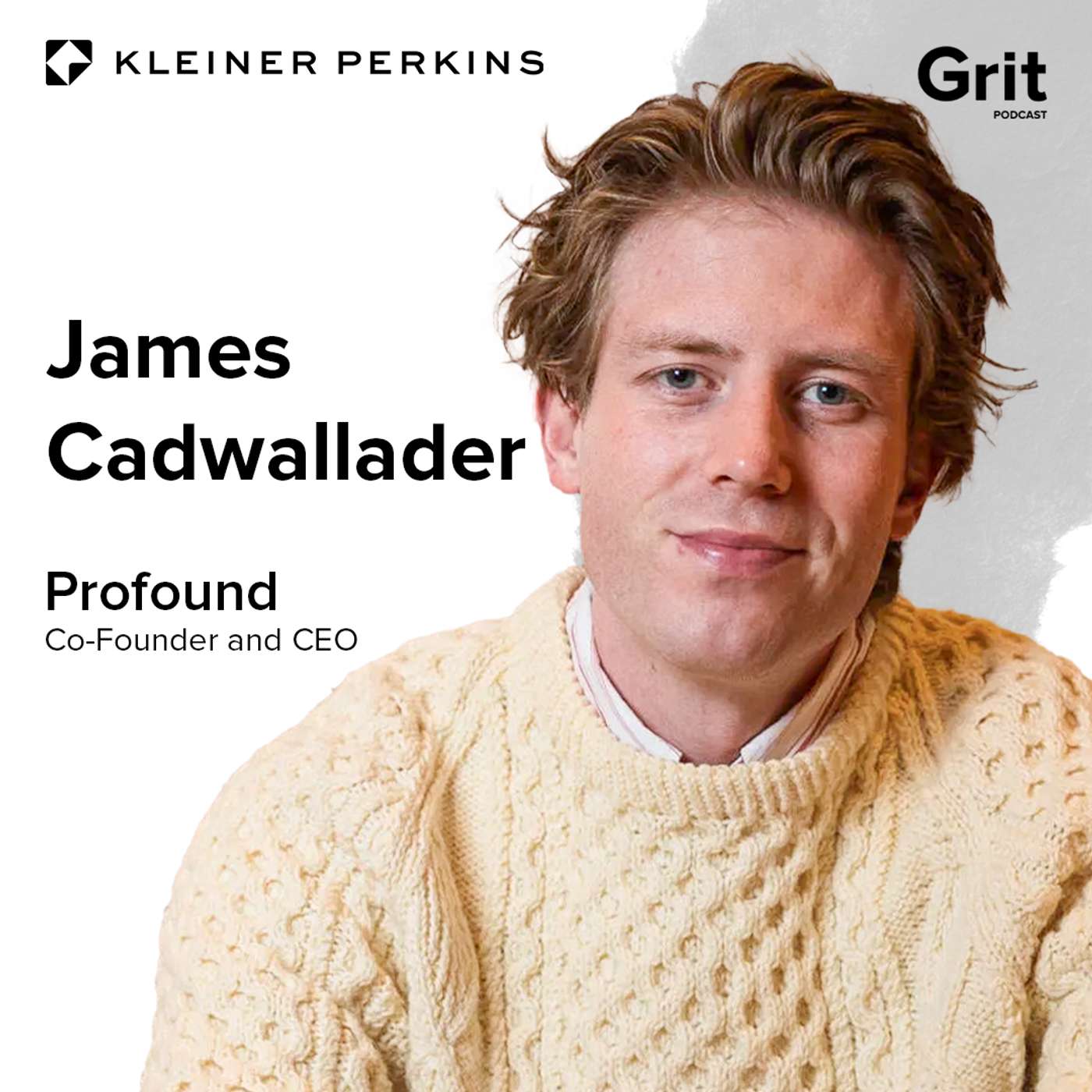
A scaling founder can avoid "breaking the model" during hypergrowth by hiring senior leaders with proven track records in similar environments. For example, Profound hired a CRO who previously scaled a company with the same target customer to $250M, bringing invaluable experience to manage chaos.
Delaying key hires to find the "perfect" candidate is a mistake. The best outcomes come from building a strong team around the founder early on, even if it requires calibration later. Waiting for ideal additions doesn't create better companies; early execution talent does.

Palo Alto Networks' founder advises that when facing a 10x leap in scale, founders who haven't navigated that stage should hire leaders who have. Rather than being a hero and learning on the job, it's safer and more effective to bring in proven experience to de-risk the next phase of growth.

The paradigm has shifted from linear scaling (more people equals more revenue) to efficiency-driven growth. Leaders who still use "I don't have enough headcount" as an excuse for missing targets are operating with an obsolete model and hindering progress in the AI era.
People don't develop at the same constant pace as a fast-growing company. Some need years to master a role, while others have rapid growth spurts. Leaders must recognize this irregularity and build a talent strategy that blends internal promotions with timely external hiring to meet scaling demands.