Get your free personalized podcast brief
We scan new podcasts and send you the top 5 insights daily.
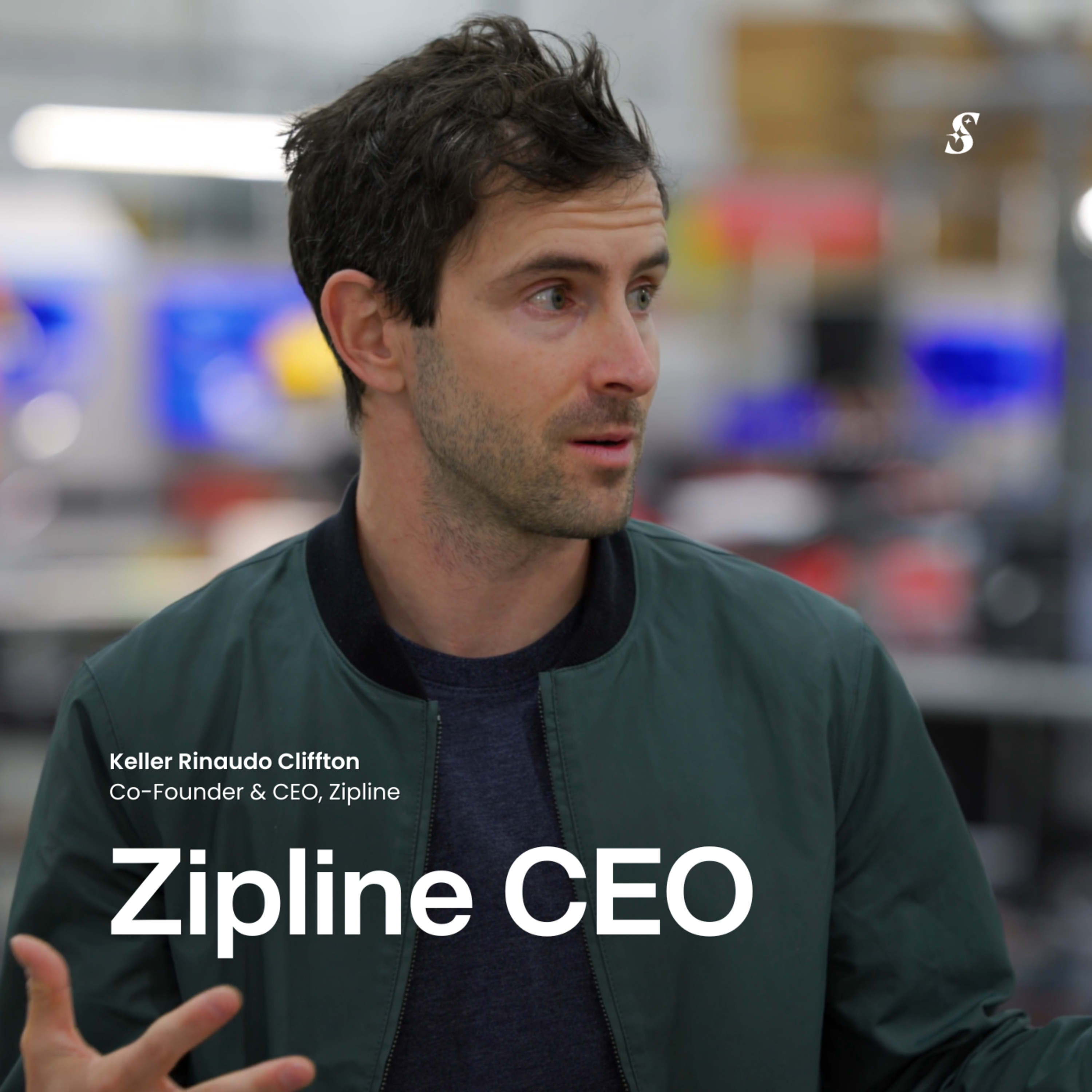
To manage hypergrowth, a startup must hire leaders who have already experienced scale orders of magnitude greater. Zipline hired ex-Tesla CFO Deepak Ahuja, who had scaled Tesla to a trillion-dollar valuation. This brings in crucial experience to navigate the challenges of the next growth phase that the existing team has never seen.
Related Insights
Processes that work at $30M are inadequate at $45M. Leaders in hyper-growth environments (30-50% YoY) must accept that their playbooks have a short shelf-life and require constant redesign. This necessitates hiring leaders who can build for the next level, not just manage the current one.

Founders often believe they can hire one "integrator" (like a COO) to handle all operational details. This is a myth. True scaling requires hiring specific, talented functional leaders (e.g., Head of Sales, Head of Product) who can solve a single, major business constraint, not a generalist helper.

Moving from a large corporation to a startup requires blending foundational knowledge of scaling processes with newfound resourcefulness and risk appetite. This transition builds a holistic business muscle, not just a product one, by forcing leaders to operate without endless resources or established brand trust.
For startups experiencing hypergrowth, the ideal HR leader has experience not just in growth, but in chaotic, high-stress environments. These individuals, often veterans of companies like early Uber, have the resilience and scar tissue necessary to navigate the inevitable cultural and organizational challenges.

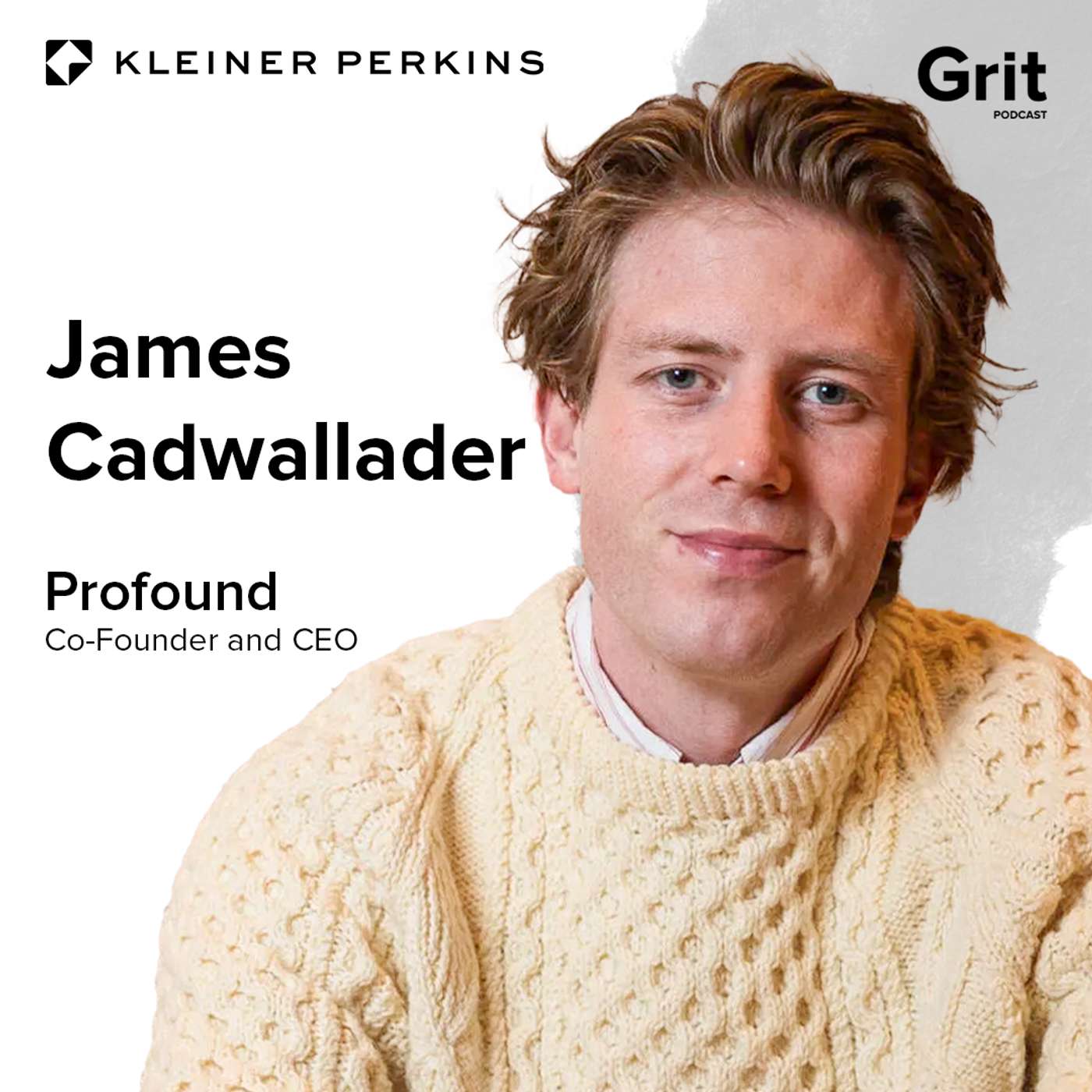
A scaling founder can avoid "breaking the model" during hypergrowth by hiring senior leaders with proven track records in similar environments. For example, Profound hired a CRO who previously scaled a company with the same target customer to $250M, bringing invaluable experience to manage chaos.
Early-stage founders often mistakenly hire senior talent from large corporations. These executives are accustomed to resources that don't exist in a startup. Instead, hire people who have successfully navigated the stage you are about to enter—those who are just "a few clicks ahead."

Palo Alto Networks' founder advises that when facing a 10x leap in scale, founders who haven't navigated that stage should hire leaders who have. Rather than being a hero and learning on the job, it's safer and more effective to bring in proven experience to de-risk the next phase of growth.

Business growth isn't linear. Scaling up introduces novel challenges in complexity, cost, and logistics that were non-existent at a smaller size. For example, doubling manufacturing capacity creates new shipping and specialized hiring problems that leadership must anticipate and solve.
ElevenLabs' CEO has 15 direct reports, split evenly between experienced veterans who have "seen it before" and high-potential employees who have grown with the company. This blend of experience and internal context is key to managing rapid scaling.

The narrative of tiny teams running billion-dollar AI companies is a mirage. Founders of lean, fast-growing companies quickly discover that scale creates new problems AI can't solve (support, strategy, architecture) and become desperate to hire. Competition will force reinvestment of productivity gains into growth.
