Get your free personalized podcast brief
We scan new podcasts and send you the top 5 insights daily.
The common VC advice to hire "professional managers" when scaling often introduces rigid, bureaucratic systems. Instead, seek dynamic leaders who can operate in a fluid, high-growth environment, even if they lack a traditional management resume. Prioritize adaptability over process.

Related Insights
Stop asking "how" to solve a problem and start asking "who" is the right person to solve it. Shifting your mindset to hiring A+ players who can take ownership of outcomes is the key to unlocking the next level of growth and freeing up your own time.

Founders often believe they can hire one "integrator" (like a COO) to handle all operational details. This is a myth. True scaling requires hiring specific, talented functional leaders (e.g., Head of Sales, Head of Product) who can solve a single, major business constraint, not a generalist helper.
For startups experiencing hypergrowth, the ideal HR leader has experience not just in growth, but in chaotic, high-stress environments. These individuals, often veterans of companies like early Uber, have the resilience and scar tissue necessary to navigate the inevitable cultural and organizational challenges.

The ideal early startup employee has an extreme bias for action and high agency. They identify problems and execute solutions without needing approvals, and they aren't afraid to fail. This contrasts sharply with candidates from structured environments like consulting, who are often more calculated and risk-averse.

Avoid hiring a growth leader with a big-name pedigree for your early team, as they are often unsuited for the necessary hands-on experimentation. Instead, seek young, hungry builders who are motivated by chaos and comfortable rebuilding their own work as the company's needs evolve.

Neil Blumenthal warns that hiring talent from large, established companies can be a mistake. These hires often thrive in environments with fully built-out systems, whereas a startup needs entrepreneurial problem-solvers who can create those processes and manuals from scratch.

Founders often chase executives from successful scaled companies. However, these execs can fail because their experience makes them overly critical and resistant to the painful, hands-on work required at an early stage. The right hire is often someone a few layers down from the star executive.

Venture capitalists' common advice to 'up-level the team' with outside executives often overlooks a better option. Parker Conrad argues that promoting homegrown leaders is 'really underrated.' They possess deep institutional knowledge and established trust, which significantly lowers the risk compared to external hires.

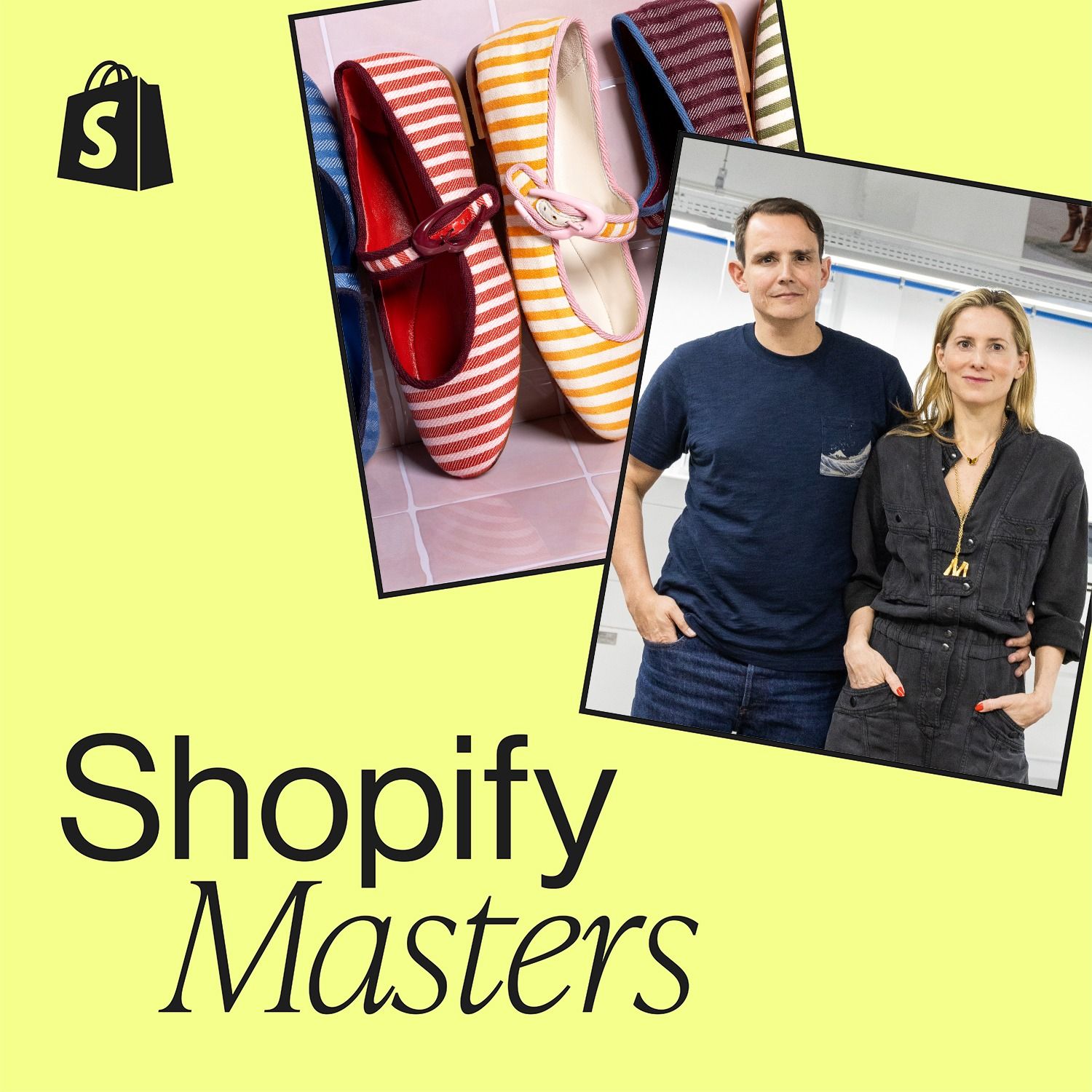
At Larroudé, the executive culture is "hands-on." Leaders are not just strategists who delegate; they must be able to execute tasks themselves. Furthermore, a critical hiring criterion for leadership is the ability to recruit, with the expectation that they can build out their own high-performing teams.
In a fast-moving environment, rigid job descriptions are a hindrance. Instead of hiring for a specific role, recruit versatile "athletes" with high general aptitude. A single great person can fluidly move between delivery, sales, and product leadership, making them far more valuable than a specialist.