Get your free personalized podcast brief
We scan new podcasts and send you the top 5 insights daily.
People don't develop at the same constant pace as a fast-growing company. Some need years to master a role, while others have rapid growth spurts. Leaders must recognize this irregularity and build a talent strategy that blends internal promotions with timely external hiring to meet scaling demands.

Related Insights
Processes that work at $30M are inadequate at $45M. Leaders in hyper-growth environments (30-50% YoY) must accept that their playbooks have a short shelf-life and require constant redesign. This necessitates hiring leaders who can build for the next level, not just manage the current one.

Failing to hire senior leaders 6-9 months ahead of need creates a leadership capacity gap in hyper-growth. This forces last-minute, high-effort plays to barely make the number, when a well-staffed team would have exceeded it. Plan for the long lead time of finding and ramping senior talent.
A scaling founder can avoid "breaking the model" during hypergrowth by hiring senior leaders with proven track records in similar environments. For example, Profound hired a CRO who previously scaled a company with the same target customer to $250M, bringing invaluable experience to manage chaos.
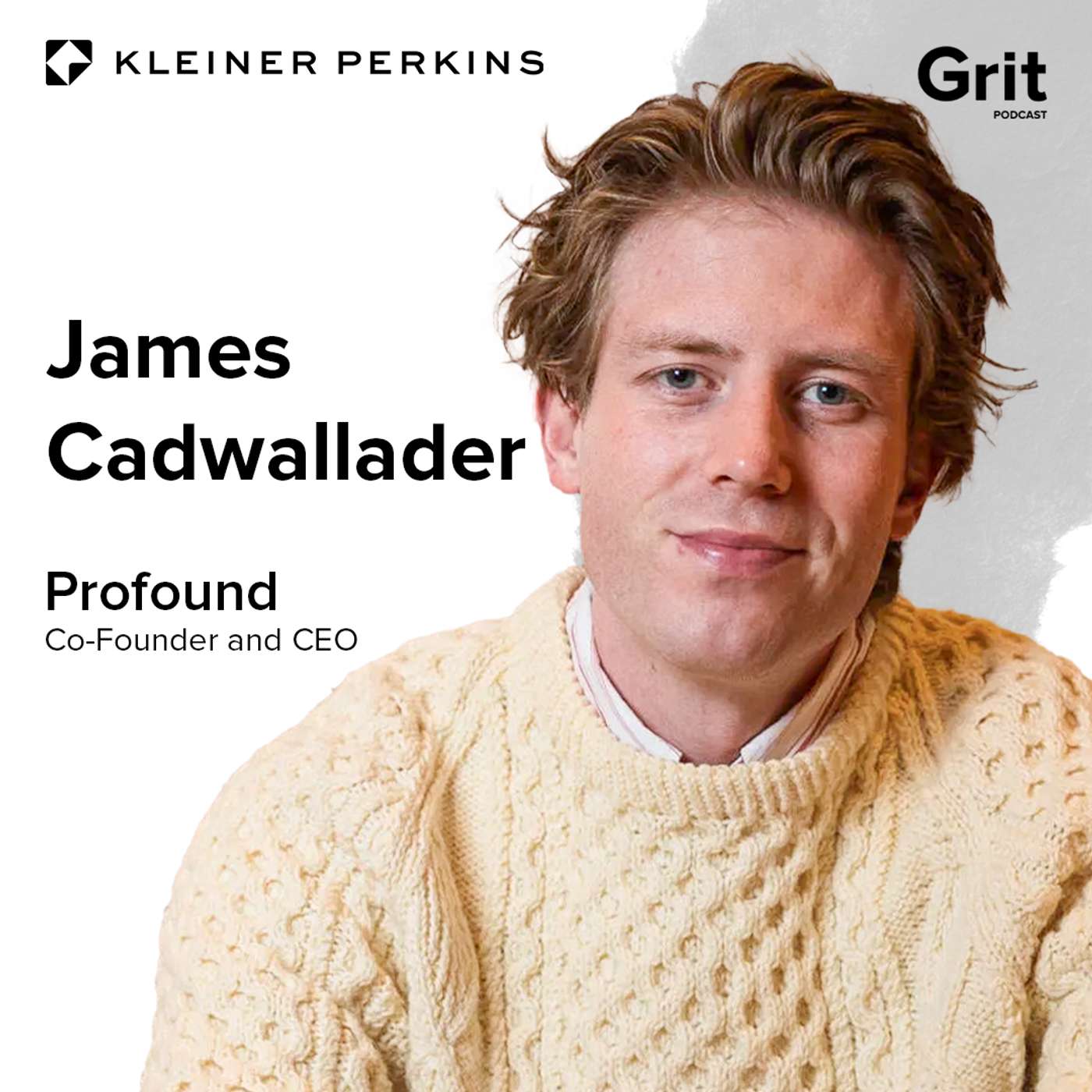
A person's past rate of growth is the best predictor of their future potential. When hiring, look for evidence of a steep learning curve and rapid progression—their 'slope.' This is more valuable than their current title or accomplishments, as people tend to maintain this trajectory.
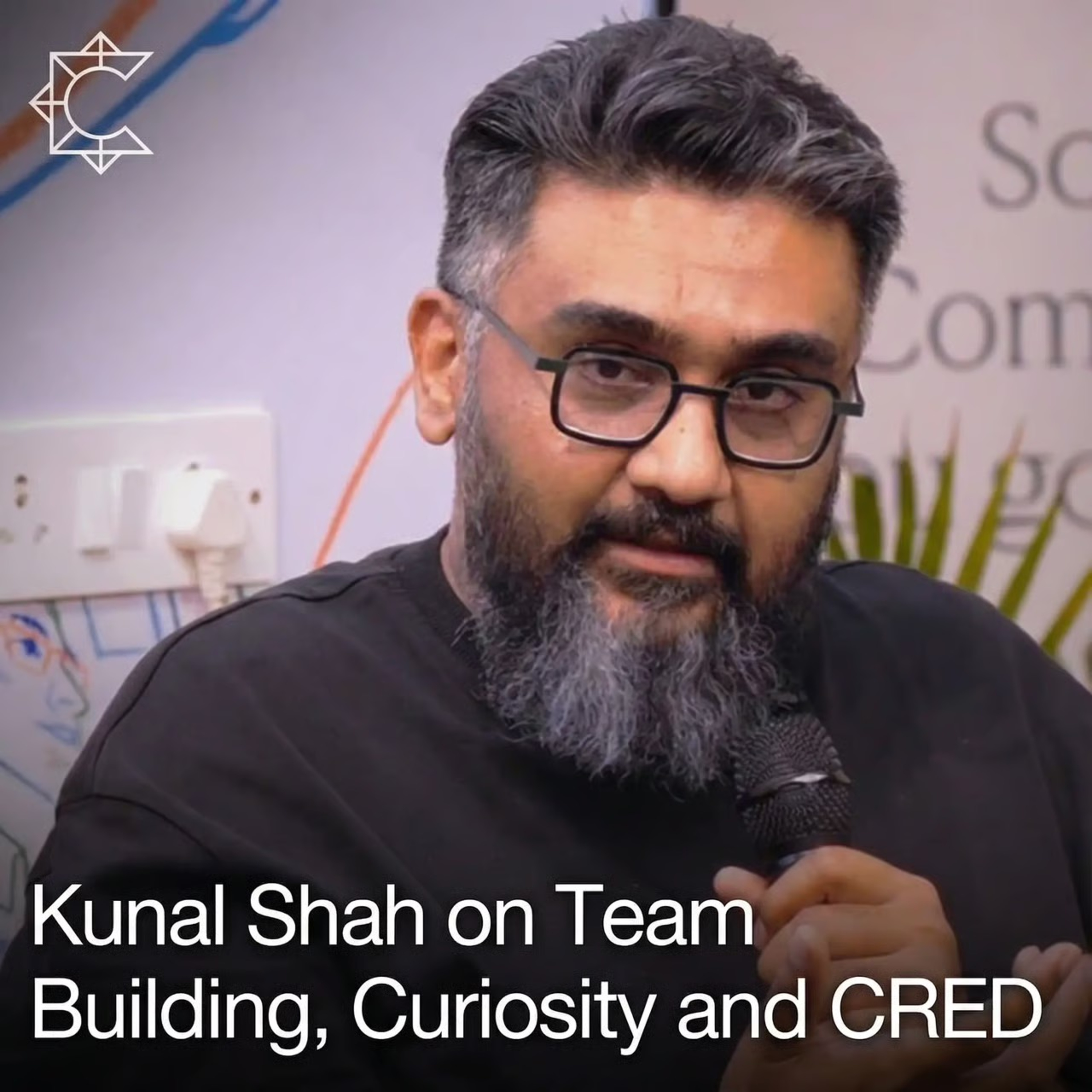
When hiring, prioritize a candidate's speed of learning over their initial experience. An inexperienced but rapidly improving employee will quickly surpass a more experienced but stagnant one. The key predictor of long-term value is not experience, but intelligence, defined as the rate of learning.

Palo Alto Networks' founder advises that when facing a 10x leap in scale, founders who haven't navigated that stage should hire leaders who have. Rather than being a hero and learning on the job, it's safer and more effective to bring in proven experience to de-risk the next phase of growth.

Leaders in rapidly scaling companies must anticipate leadership needs 6-9 months in advance. Waiting until the gap is obvious means you are already behind, given the long recruitment and ramp times for senior talent. This lag creates a capacity bottleneck that can cause the company to miss its goals.
Companies often fail by promoting high-performing individual contributors into leadership without teaching them how to scale their judgment. The new leader's job is not to solve problems directly but to define what "good" looks like and enable their teams to get there.

ElevenLabs' CEO has 15 direct reports, split evenly between experienced veterans who have "seen it before" and high-potential employees who have grown with the company. This blend of experience and internal context is key to managing rapid scaling.

3G intentionally makes big bets on young leaders, promoting them to C-suite roles in their 20s and 30s. The key to making this work is surrounding them with experienced mentors and operators (e.g., an executive chairman) who provide support and de-risk the promotion, creating a powerful talent magnet.
![Alex Behring and Daniel Schwartz - Inside 3G Capital - [Invest Like the Best, EP.458] thumbnail](https://megaphone.imgix.net/podcasts/e08d17d8-0630-11f1-900f-af0896d80a14/image/dcbaadaaf3c949d9b9de61e9cbe5c91f.jpg?ixlib=rails-4.3.1&max-w=3000&max-h=3000&fit=crop&auto=format,compress)