Get your free personalized podcast brief
We scan new podcasts and send you the top 5 insights daily.
Failing to hire senior leaders 6-9 months ahead of need creates a leadership capacity gap in hyper-growth. This forces last-minute, high-effort plays to barely make the number, when a well-staffed team would have exceeded it. Plan for the long lead time of finding and ramping senior talent.

Related Insights
To improve hiring decisions, founders should proactively meet top performers in roles they anticipate needing in 2-3 quarters. This isn't for immediate hiring but to build a mental model of excellence for that specific function and stage, which sharpens intuition when you do start recruiting.

CROs are often blamed for missed targets, but the root cause is often a flawed hiring plan from the CEO. Rushing to hire reps without adequate ramp time leads to B-player hires, immense pressure from managers, a toxic "horse whipping" culture, and ultimately, missed numbers.

Processes that work at $30M are inadequate at $45M. Leaders in hyper-growth environments (30-50% YoY) must accept that their playbooks have a short shelf-life and require constant redesign. This necessitates hiring leaders who can build for the next level, not just manage the current one.

Companies often hire growth leaders in a panic when growth stalls. A better approach is to hire when you have early signs of channel fit. This allows the new hire to scale what's working and build a team around that proven channel, rather than desperately searching for any that might work.

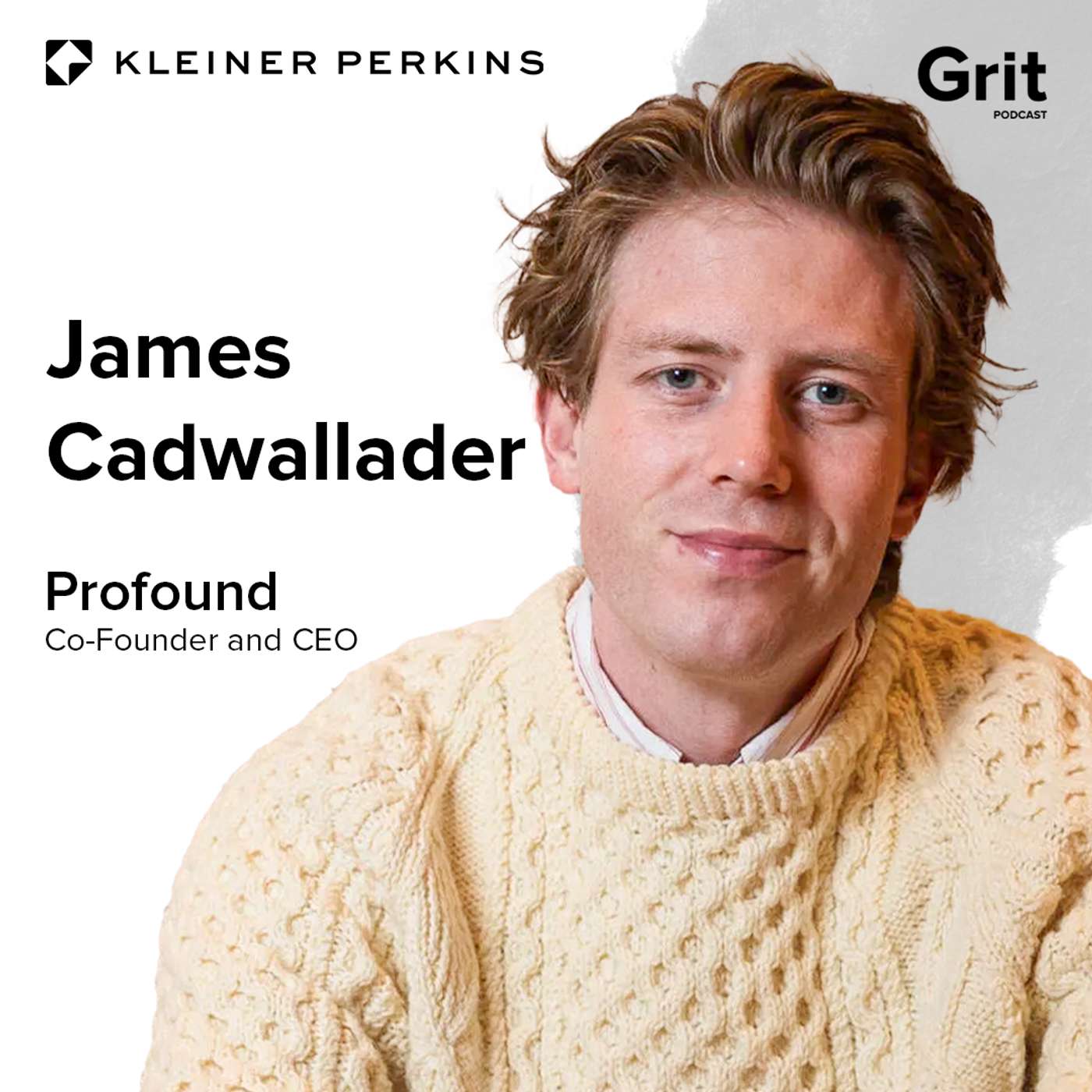
A scaling founder can avoid "breaking the model" during hypergrowth by hiring senior leaders with proven track records in similar environments. For example, Profound hired a CRO who previously scaled a company with the same target customer to $250M, bringing invaluable experience to manage chaos.
Delaying key hires to find the "perfect" candidate is a mistake. The best outcomes come from building a strong team around the founder early on, even if it requires calibration later. Waiting for ideal additions doesn't create better companies; early execution talent does.

Palo Alto Networks' founder advises that when facing a 10x leap in scale, founders who haven't navigated that stage should hire leaders who have. Rather than being a hero and learning on the job, it's safer and more effective to bring in proven experience to de-risk the next phase of growth.

The first six months are critical for a senior hire who has skills but lacks internal network and company knowledge. New leaders must prioritize finding a supportive manager and shipping a small project quickly to learn the organizational mechanics, rather than assuming their experience is enough.

A sales leader's success is determined less by personal sales ability and more by their capacity to attract a core team of proven performers who trust them. Failing to ask a leadership candidate 'who are you going to bring?' is a major oversight that leads to slow ramps, high recruiting costs, and organizational inefficiency.
To manage hypergrowth, a startup must hire leaders who have already experienced scale orders of magnitude greater. Zipline hired ex-Tesla CFO Deepak Ahuja, who had scaled Tesla to a trillion-dollar valuation. This brings in crucial experience to navigate the challenges of the next growth phase that the existing team has never seen.