Get your free personalized podcast brief
We scan new podcasts and send you the top 5 insights daily.
ElevenLabs' CEO has 15 direct reports, split evenly between experienced veterans who have "seen it before" and high-potential employees who have grown with the company. This blend of experience and internal context is key to managing rapid scaling.

Related Insights
Processes that work at $30M are inadequate at $45M. Leaders in hyper-growth environments (30-50% YoY) must accept that their playbooks have a short shelf-life and require constant redesign. This necessitates hiring leaders who can build for the next level, not just manage the current one.

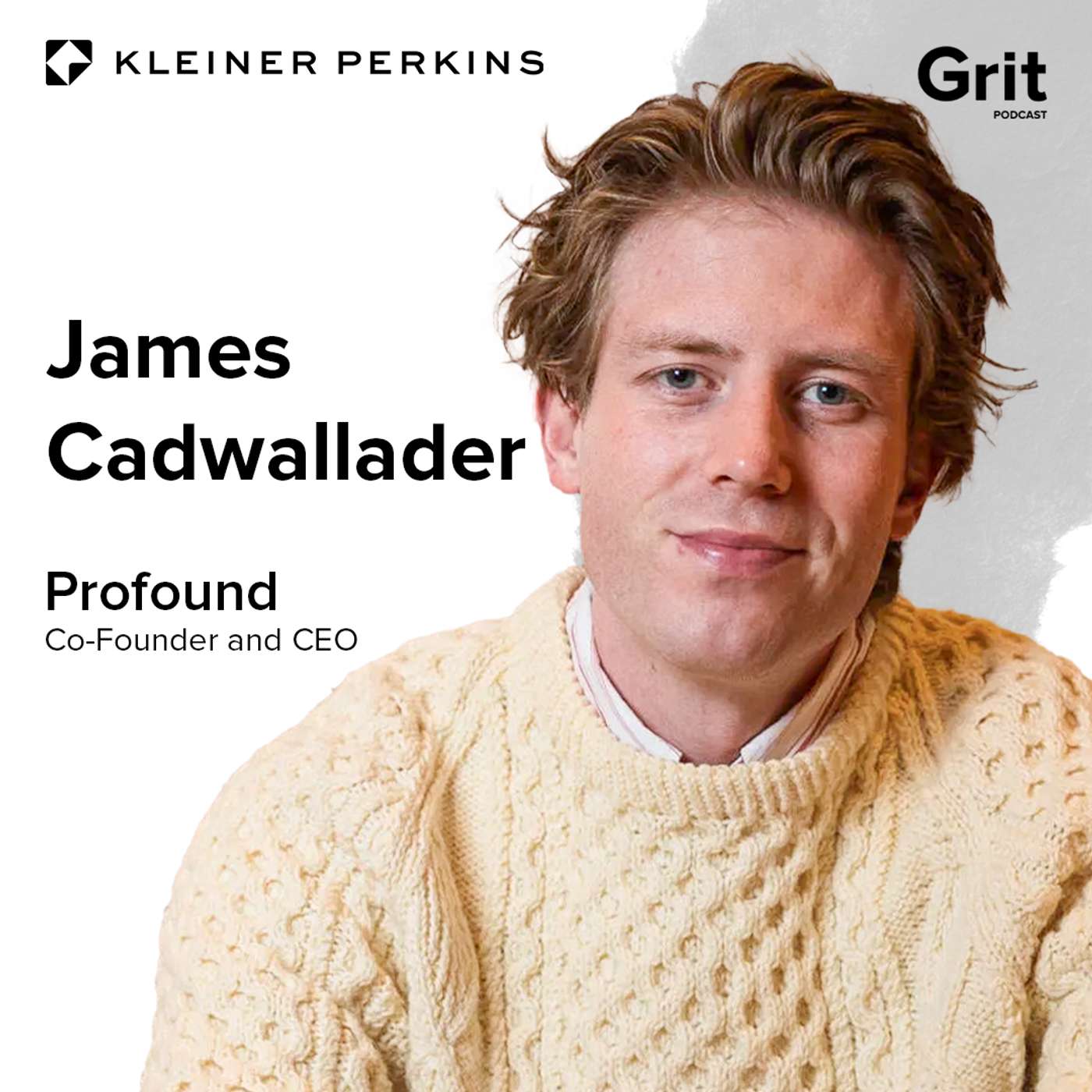
A scaling founder can avoid "breaking the model" during hypergrowth by hiring senior leaders with proven track records in similar environments. For example, Profound hired a CRO who previously scaled a company with the same target customer to $250M, bringing invaluable experience to manage chaos.
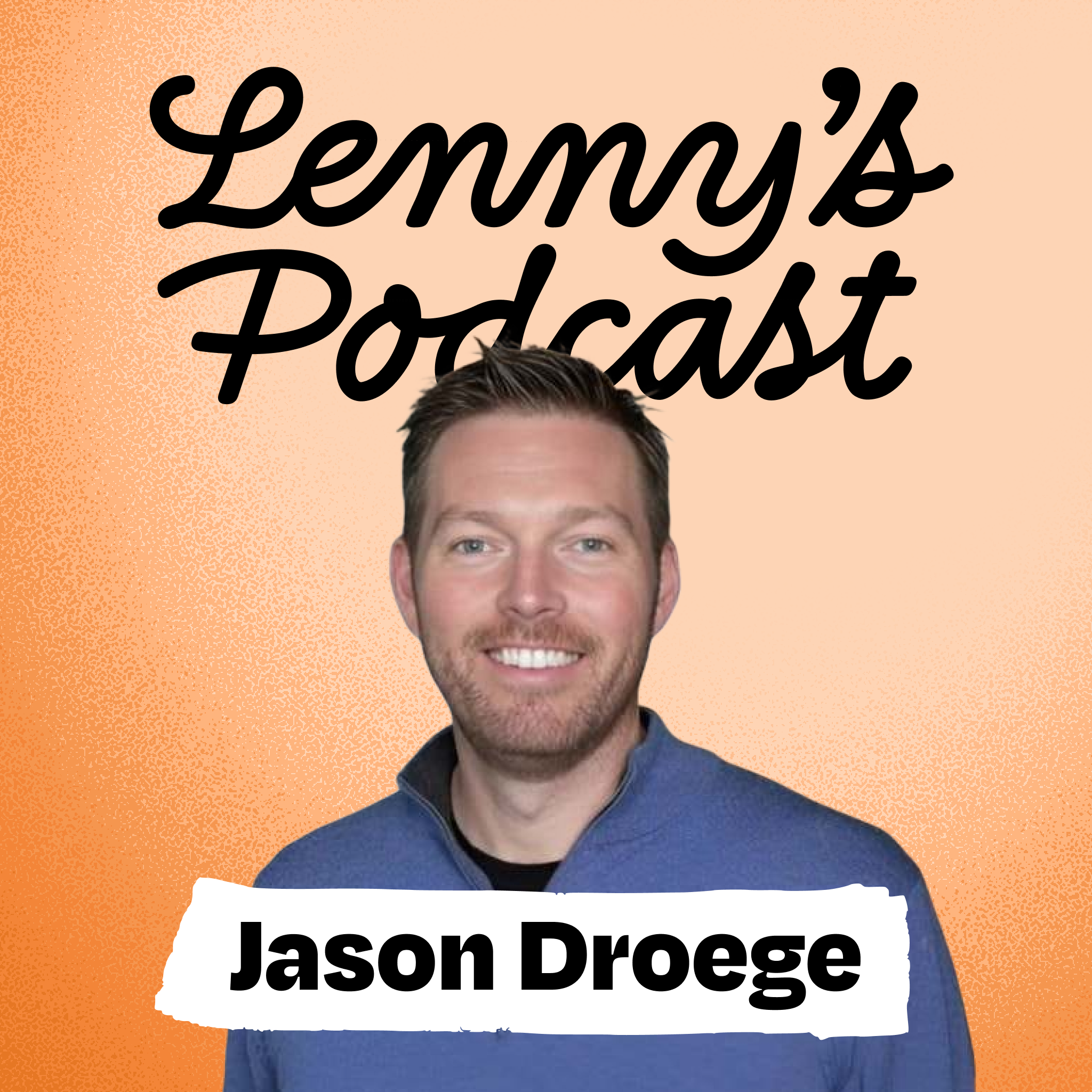
Instead of replacing leaders at each growth stage, the Uber Eats management team was built like an "organism" with complementary strengths and was kept largely intact from launch to a $20 billion run rate. This proves a cohesive team that can learn together is more valuable than constantly hiring for "scale experience."
Palo Alto Networks' founder advises that when facing a 10x leap in scale, founders who haven't navigated that stage should hire leaders who have. Rather than being a hero and learning on the job, it's safer and more effective to bring in proven experience to de-risk the next phase of growth.

As companies grow from 30 to 200 people, they naturally become slower. A CEO's critical role is to rebuild the company's operating model, deliberately balancing bottom-up culture with top-down strategic planning to regain speed and ensure everyone is aligned.

Ramp's hiring philosophy prioritizes a candidate's trajectory and learning velocity ("slope") over their current experience level ("intercept"). They find young, driven individuals with high potential and give them significant responsibility. This approach cultivates a highly talented and loyal team that outperforms what they could afford to hire on the open market.

To scale effectively, don't bottleneck knowledge with the CEO. Invest in specialized coaches, consultants, and mastermind groups for your department leaders. This empowers them to solve problems and develop their teams directly, as building the people is what ultimately builds the business.
At Larroudé, the executive culture is "hands-on." Leaders are not just strategists who delegate; they must be able to execute tasks themselves. Furthermore, a critical hiring criterion for leadership is the ability to recruit, with the expectation that they can build out their own high-performing teams.

In a hypergrowth company, an early leader's domain will shrink in relative terms as the company expands. This can feel like a demotion but is a sign of success. Leaders who scale well overcome this emotional dissonance and focus on the company's increased total output.

A key factor for rapid career growth is joining a company with a founder-led philosophy of betting on and promoting existing talent. This culture, combined with proven product-market fit and a lean operating model, creates outsized opportunities for high-potential employees to grow with the company.