Get your free personalized podcast brief
We scan new podcasts and send you the top 5 insights daily.
Some academic literature has expanded the definition of 'resistance' to include almost any violation of norms, including personal acts like masturbation or suicide. This illustrates a trend of imposing political interpretations onto actions without evidence of the actor's intent, stretching concepts beyond recognition.

Related Insights
Rising support for violence on campus stems from a belief that political opponents represent 'genuine evil' or 'fascism,' not just a differing opinion. This moral framing removes normal constraints on behavior, making violence seem like a necessary and justifiable response.

Much of government functions on decorum and unwritten rules. When political actors attack these norms—like challenging procedural traditions—it creates a cycle of retribution that destabilizes the entire system more profoundly than any single illegal act could.

A psychology study's attempt to measure "state disinhibition" by assessing "bystander apathy" is highlighted as a convoluted and meaningless methodological leap. This shows how academic research can become detached from common sense in its pursuit of novel metrics.

People often frame a person's situation as a "choice" to justify punishment or unsympathetic treatment. This linguistic move shifts blame onto the individual, providing a moral license to enact punishment. This pattern is prevalent in contexts ranging from airline policies to broader political discourse.

The Soviet state created a bogus medical diagnosis, "sluggish schizophrenia," to pathologize political dissent. This tactic allowed the regime to label human rights advocates as mentally ill and confine them to psychiatric prisons, effectively turning medicine into a tool of political repression.
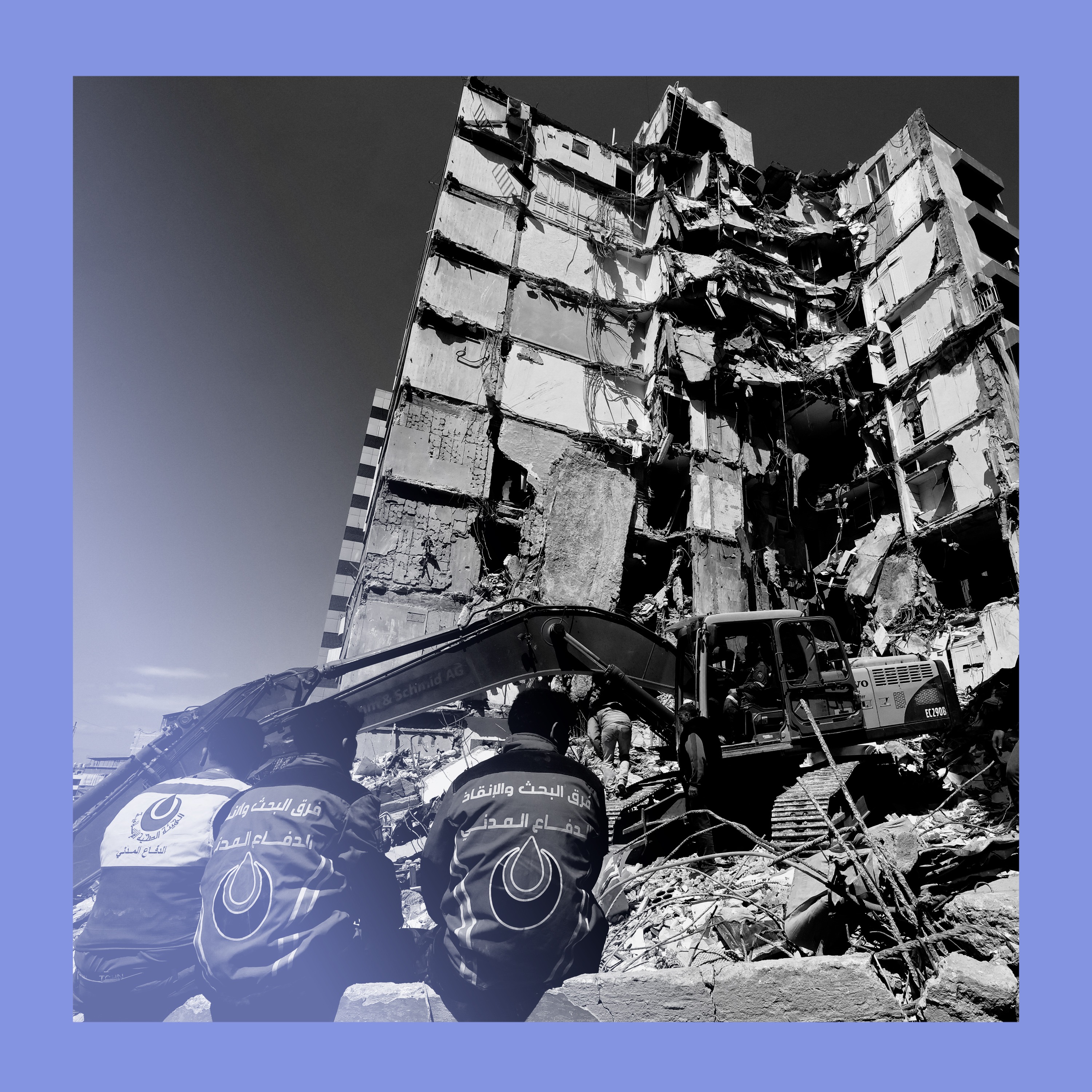
In today's academic climate, discussing established variables related to criminal behavior is often seen as problematic. Even framing disadvantages as structural causes of crime can be controversial for implying group differences, which hinders honest conversation needed for effective policy reform.
When people are subjected to extreme humiliation and loss with no hope of justice, their motivations can shift. Violent revenge, even if suicidal, becomes a rational choice to reclaim dignity, prioritizing retaliation against an oppressor over self-preservation.

An ideologue, even an anarchist advocating against the state, may support a massive state action if it serves a higher strategic purpose—in this case, disrupting a system they oppose. The perceived hypocrisy is dismissed as irrelevant when compared to the desired outcome, framing it as a solution, not a preferred method of governance.

Powerful groups may intentionally involve members in compromising situations, like the underage sex parties in the Epstein case, to create 'kompromat' (compromising material). This ensures loyalty and prevents individuals from betraying the group's secrets.

Movements like Serbia's Otpor perfected "dilemma actions," which use humor and theatrics to force authorities into a lose-lose situation. Any response—ignoring the act, making arrests, or even seizing an inanimate object—makes the regime appear absurd, illegitimate, and weak, thereby eroding its power.
