Get your free personalized podcast brief
We scan new podcasts and send you the top 5 insights daily.
Strikes on financial institutions like the SEPA bank in Tehran are a sophisticated tactic to weaken a regime. The goal is to disrupt salary payments to military and security personnel, breaking their command structure and encouraging them to abandon their posts in the event of a mass revolt.

Related Insights
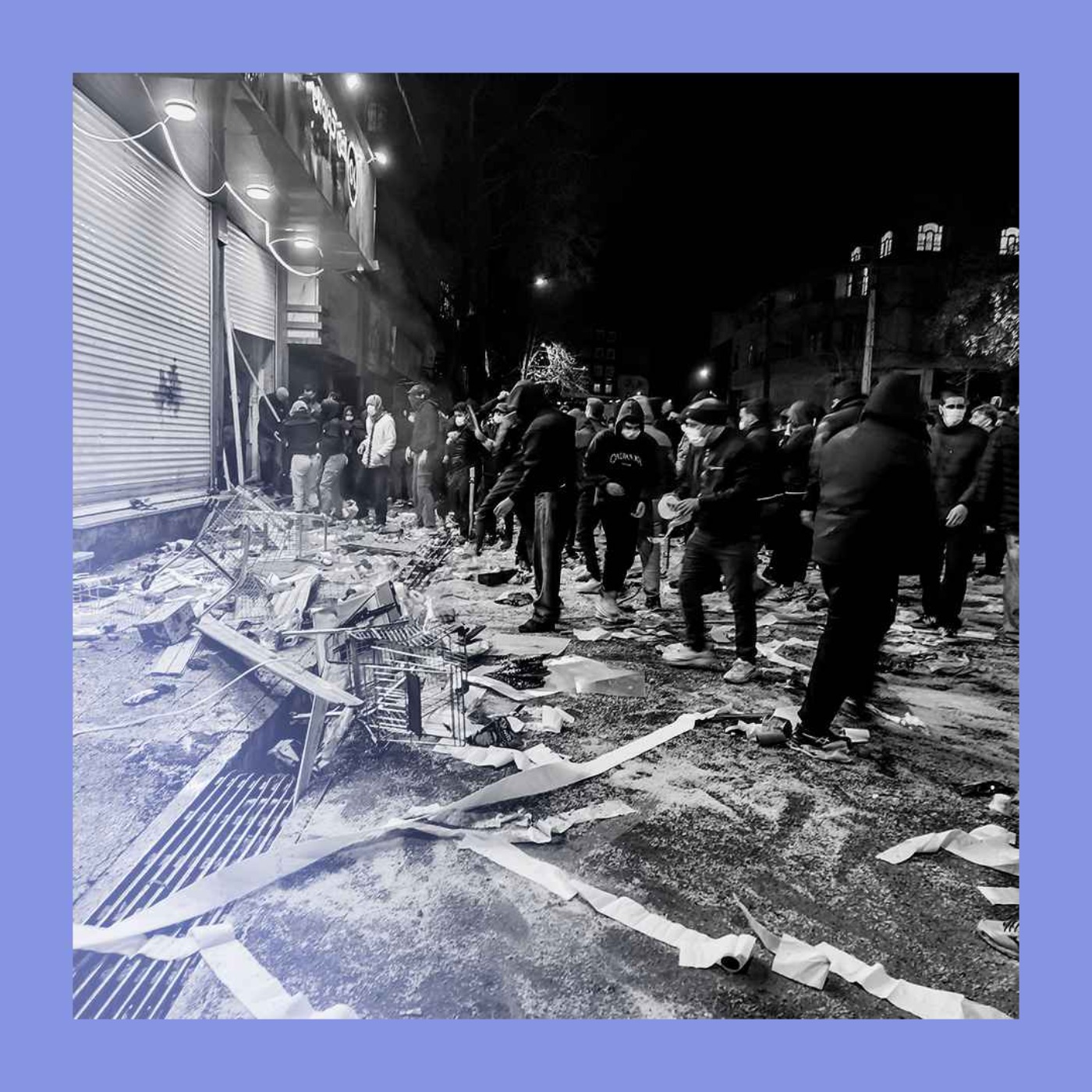
The recent unrest originated with merchants in Tehran's Grand Bazaar, a group that prioritizes stability. Their protests highlight the crisis's economic roots: inability to access hard currency for imports, rampant inflation, and collapsing consumer demand, making business untenable for even multi-million dollar traders.

The government's response to protests involved a near-total information blackout, shutting down not just the global internet but also Iran's controlled domestic network. This paralysis extended to essential services like ATMs, making it an unsustainable tactic for the regime as it halts the entire economy.
Jane Fonda argues that defeating an authoritarian regime requires weakening its "pillars of support" like finance, military, and art. This is achieved through strategic noncompliance—strikes, boycotts, and mass actions that hit the economy—rather than traditional protests, which are less effective against entrenched power.

Despite widespread discontent, the Iranian opposition is leaderless, disorganized, and lacks a clear plan for seizing power. A successful revolution would require external military support to neutralize the regime's security forces, such as the Basij militia, and guide the effort.

While US sanctions are a factor, the Iranian currency's freefall is largely due to structural corruption. The economy is dominated by the military and clerical foundations, a political-economic model that stifles growth and fuels public anger—a problem sanctions relief alone cannot solve.
The US approach to Iran is not traditional regime change with ground troops. Instead, it involves targeted strikes to eliminate key leaders ("decapitation"), creating a power vacuum with the hope that the already revolutionary-minded Iranian public will topple the government from within.

Traditional protests are ineffective against an administration that prioritizes market performance above public opinion. The most potent form of resistance is to create economic instability, as this is the only language such leadership understands and responds to, forcing a reaction where outrage fails.

Israeli officials now openly state regime change in Iran is their goal. However, their strategy is not a direct overthrow but rather to target Iran's internal "suppression" forces. By removing the regime's tools to quell dissent, they aim to create an opportunity for the Iranian people to rise up themselves.
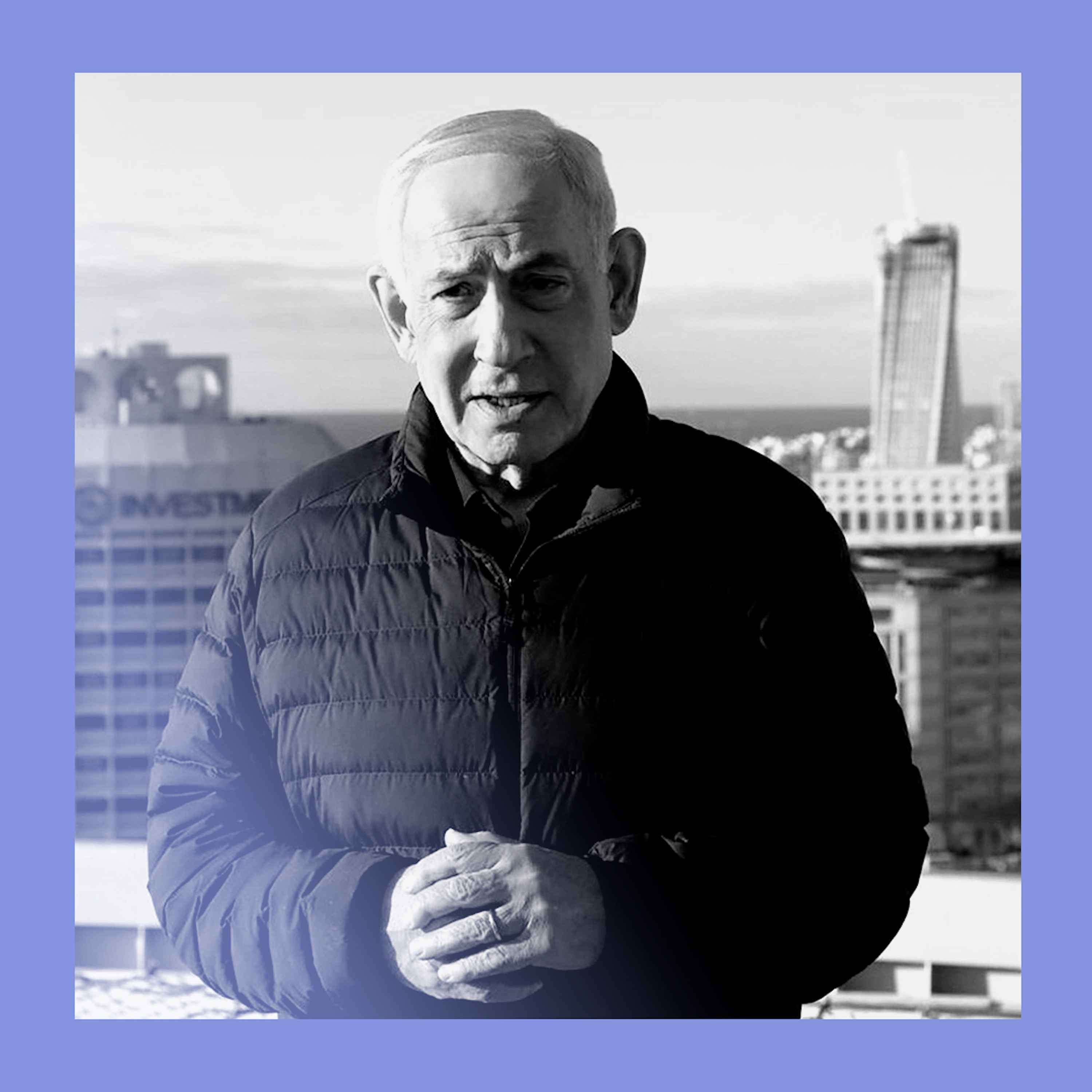
Unlike nascent revolutionary states that rally against foreign attacks, late-stage dictatorships are weakened by military defeats. Iran's recent humiliations by Israel and the US have exposed incompetence and eroded the public's perception of strength, fueling protests and accelerating the regime's demise.
Widespread protests are fueled by everyday grievances like poverty and environmental destruction. These issues trace back to the Islamic Revolutionary Guard Corps (IRGC) systematically extorting and taking over successful private businesses, creating a corrupt and inefficient economy that angers the populace.