Get your free personalized podcast brief
We scan new podcasts and send you the top 5 insights daily.
A militarily weaker nation can effectively counter a superpower by creating targeted fear and risk in a vital economic channel, like a shipping strait. By making insurance prohibitively expensive and transit dangerous, they can achieve strategic goals without needing to win a conventional military engagement.

Related Insights
Despite being the weaker military party, Iran's ability to inflict persistent pain on regional shipping and U.S. allies gives it leverage. To secure a ceasefire, the U.S. may have to offer incentives like sanctions relief, allowing Iran to turn military weakness into diplomatic strength.

By attacking just a few ships, Iran creates enough perceived risk to make insurance carriers unwilling to cover vessels transiting the Strait of Hormuz. This effectively disrupts 20% of the world's oil supply without needing a large-scale military blockade, a key tactic in asymmetric economic warfare.

Major container lines will divert entire fleets on longer, more expensive routes around continents based solely on the threat of attack, as seen with the Houthis in the Red Sea. The perception of risk, not just the occurrence of incidents, is a primary driver of costly, system-wide disruptions in logistics.

Low-cost, mass-produced drones create strategic advantage by forcing a disproportionately expensive defensive response ($4M missiles for $20K drones). This 'weaponized financial asymmetry' can extend conflicts by draining an opponent's budget, even if the drones are successfully intercepted.

The US faces a severe economic disadvantage in the Middle East conflict. Iran uses $30,000 drones that can disable $160 million tankers, while US countermeasures involve $4 million Patriot missiles. This cost imbalance allows Iran to inflict massive economic damage cheaply, posing a significant strategic threat.

Iran effectively weaponized the Strait of Hormuz not with mines, but by creating enough uncertainty to make UK-based insurance companies pull out. This demonstrates how financial systems can be leveraged as powerful geopolitical choke points.

Knowing they cannot win a conventional war, Venezuela's military doctrine relies on asymmetrical warfare. Their key leverage is the credible threat to unleash chaos via guerrillas and gangs, making the country ungovernable for any occupying force.
Instead of a full-scale invasion, China is employing an "anaconda strategy" of constant, low-level pressure. Tactics like cutting undersea cables and sending drones are designed to exhaust and demoralize Taiwan, making a military response from the US difficult to justify.
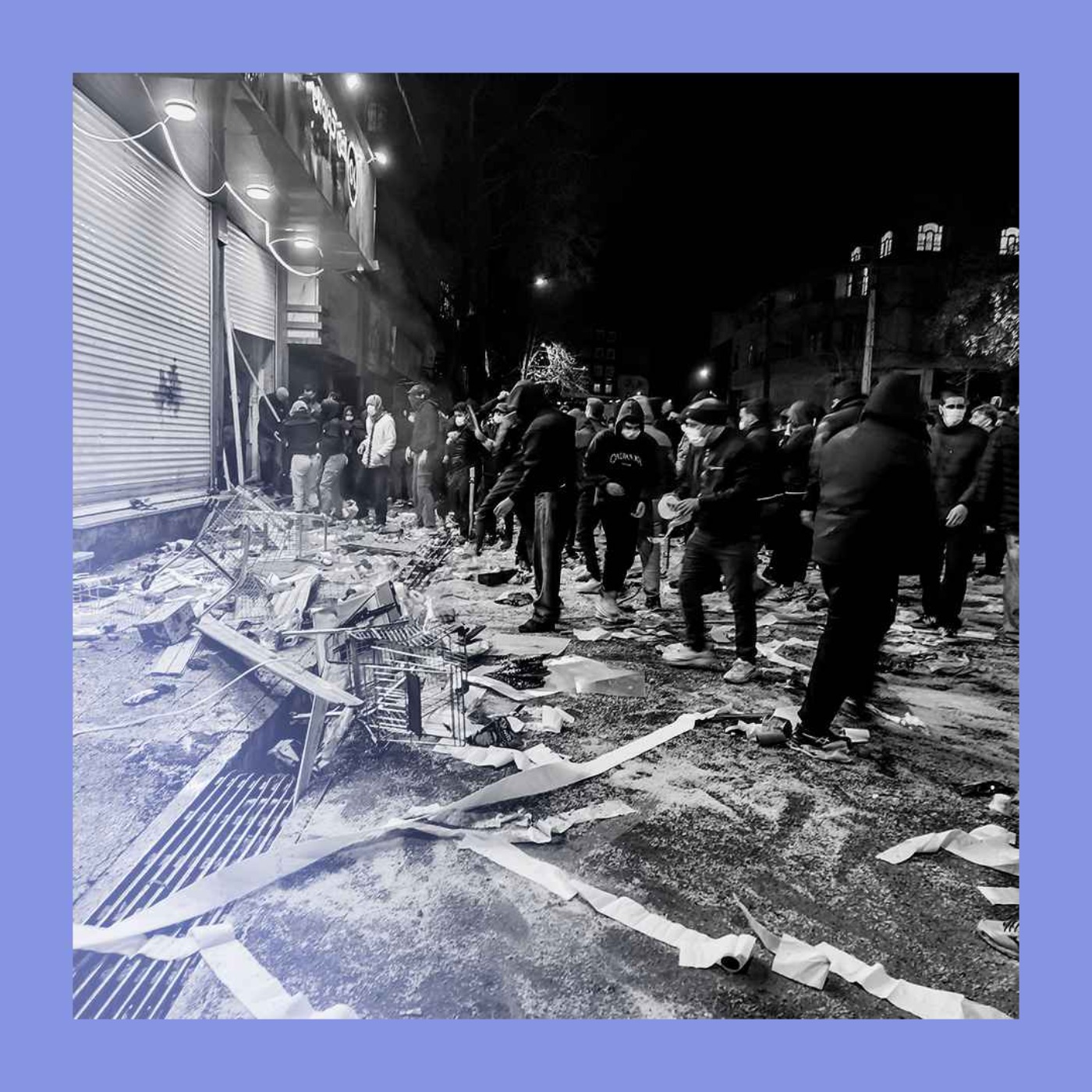
Iran employs inexpensive weapons against shipping in the Strait of Hormuz. This asymmetric strategy avoids direct military confrontation while making the risk too high for insured commercial vessels, effectively closing the strait without a formal blockade.

The primary danger to the West's technology infrastructure is not a Chinese invasion of Taiwan, but a simple naval blockade. This less aggressive act could halt the flow of 90% of the world's advanced microprocessors, crippling Western economies and defense systems without firing a shot.
