Get your free personalized podcast brief
We scan new podcasts and send you the top 5 insights daily.
America's expenditure of military resources in the conflict with Iran has direct, negative consequences for Ukraine's war effort. Munitions used with little strategic gain in the Middle East could have been sufficient to significantly alter the course of the war against Russia, a critical trade-off often overlooked by US observers.

Related Insights
A critical, unforeseen consequence of the US-Israel conflict with Iran is the direct impact on Ukraine's defense capabilities. Patriot missile systems intended to protect Ukraine from Russian strikes have been redeployed to the Middle East, leaving Kyiv more vulnerable and demonstrating the interconnectedness of global conflicts.

The U.S. expended a significant portion of its L-RASSM inventory—an advanced anti-ship missile designed for a Pacific conflict with China—against the comparatively insignificant Iranian Navy. This reflects a profound strategic disconnect, using a limited resource on a low-end threat and depleting critical war stocks.

A regional conflict like the one in Iran has immediate global consequences for military readiness. The massive expenditure of interceptor missiles will create a supply crunch for US forces in other strategic areas like the Pacific and for allies like Ukraine, as production cannot keep up with wartime demand.
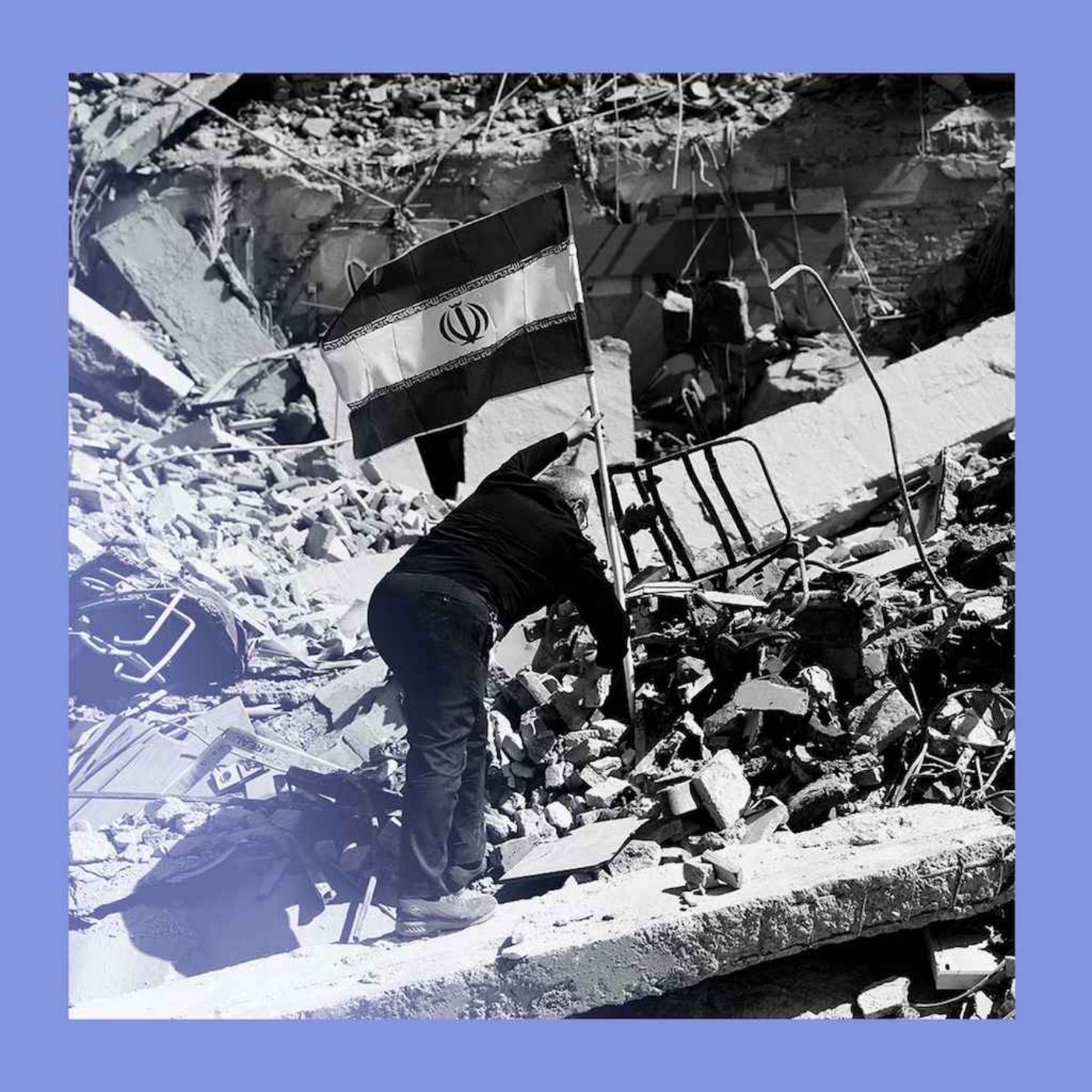
The ongoing tit-for-tat escalation with Iran forces the US to expend significant military resources. This depletion is watched closely by China and Russia, who benefit from a weakened US military posture ahead of potential future conflicts.

The escalating strikes between the US and Iran over oil tankers serve a broader strategic purpose for Russia and China. By baiting the US into using its munitions in a regional conflict, these powers aim to deplete American military readiness for potential larger conflicts in Europe or with Taiwan.
Hillary Clinton argues a major hidden cost of the Iran war is the depletion of U.S. munitions, like Patriot missiles. These resources are desperately needed by Ukraine to fend off Russian attacks. The protracted conflict in the Middle East is directly undermining a potential victory in Europe.

The Pentagon depleted its high-end munitions stockpile by choosing to use its most expensive, stealthiest, and longest-range weapons against Iran. This risk-averse strategy, designed to avoid US casualties, unnecessarily burned through the very weapons being preserved for a potential conflict with China.
Expending high-end munitions like JASSM missiles on a secondary adversary like Iran critically depletes stockpiles essential for deterring a primary competitor like China. This creates a significant vulnerability, as the defense industrial base cannot quickly replenish these sophisticated weapons, undermining readiness for a major conflict.
The Iran conflict serves the strategic interests of China and Russia by distracting US attention and draining its military resources. It consumes critical assets (like Patriot missiles needed for Ukraine) and diverts political focus from containing America's primary geopolitical rivals in Europe and Asia.

Professor Timothy Snyder asserts that the vast quantity of advanced munitions the U.S. expended in the first two weeks of the Iran war, with no clear strategic gain, would have been sufficient for Ukraine to achieve victory against Russia. This represents a catastrophic misallocation of critical military resources.