Get your free personalized podcast brief
We scan new podcasts and send you the top 5 insights daily.
The escalating strikes between the US and Iran over oil tankers serve a broader strategic purpose for Russia and China. By baiting the US into using its munitions in a regional conflict, these powers aim to deplete American military readiness for potential larger conflicts in Europe or with Taiwan.

Related Insights
The US has expended its high-end, long-range munitions in a hypothetical Iran conflict. This creates a critical vulnerability, as these weapons were stockpiled for a potential peer conflict with China, and the industrial base cannot quickly replace them.

The conflict provides a lifeline to Putin through higher energy prices and a distracted U.S. military. For China, every moment the U.S. is preoccupied with the Middle East is a moment it isn't focused on the Indo-Pacific, furthering their long-term strategic goals.

The war is framed as a strategic opportunity to debilitate Iran while stronger rivals like China and Russia are not ready to confront the U.S., thereby reducing future 'simultaneity problems' in a potential multi-front conflict.
A regional conflict like the one in Iran has immediate global consequences for military readiness. The massive expenditure of interceptor missiles will create a supply crunch for US forces in other strategic areas like the Pacific and for allies like Ukraine, as production cannot keep up with wartime demand.
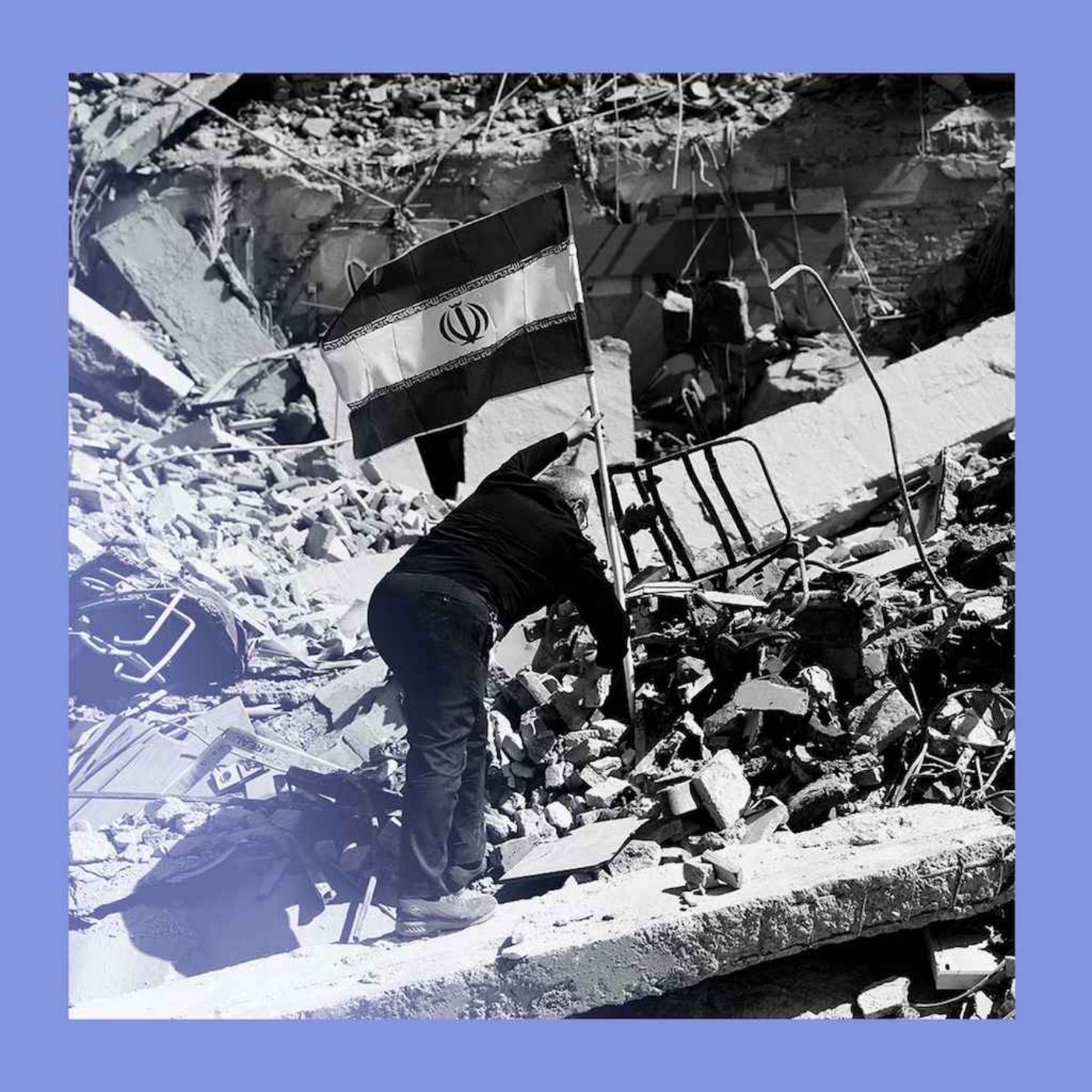
Most analyses assume the U.S. can simply wear down Iran. This view ignores that the conflict is existential for China and Russia, who depend on regional stability. They possess significant leverage (e.g., control over U.S. military supply chains) and are unlikely to allow Iran to collapse.

The massive expenditure of U.S. missile defense interceptors in the Iran conflict is significantly cutting into the total inventory. This depletion, which cannot be quickly replaced, creates a window of vulnerability that could tempt China to act on its regional ambitions while the U.S. is distracted and under-supplied.

China's relative power grew immensely while the US was engaged in Middle Eastern wars for over two decades. From China's perspective, another protracted US conflict is advantageous, as it consumes American resources and focus, allowing China to strengthen its own position globally.
While the U.S. is preoccupied with Iran and the Strait of Hormuz, China has significantly increased its military presence around Taiwan. This may not be just a show of force, but a strategic dress rehearsal for an invasion, testing capabilities while global attention is focused elsewhere.

Expending high-end munitions like JASSM missiles on a secondary adversary like Iran critically depletes stockpiles essential for deterring a primary competitor like China. This creates a significant vulnerability, as the defense industrial base cannot quickly replenish these sophisticated weapons, undermining readiness for a major conflict.
The Iran conflict serves the strategic interests of China and Russia by distracting US attention and draining its military resources. It consumes critical assets (like Patriot missiles needed for Ukraine) and diverts political focus from containing America's primary geopolitical rivals in Europe and Asia.