Get your free personalized podcast brief
We scan new podcasts and send you the top 5 insights daily.
The U.S. expended a significant portion of its L-RASSM inventory—an advanced anti-ship missile designed for a Pacific conflict with China—against the comparatively insignificant Iranian Navy. This reflects a profound strategic disconnect, using a limited resource on a low-end threat and depleting critical war stocks.

Related Insights
Despite the Strait of Hormuz closure being a long-theorized scenario, the US military response was 'insufficient' and lacked preparedness. Iran achieved a near-total shutdown with minimal force, relying on the *threat* of attack, revealing a significant gap in US strategic readiness.

Former SECAF Frank Kendall warns that conflicts against less advanced adversaries like Iran reinforce outdated tactics and supply chains. This diverts focus and resources from developing the adaptive capabilities needed to counter a peer competitor like China, which presents a fundamentally different challenge.
The conflict highlights a critical economic vulnerability in US defense strategy. The US is forced to use multi-million dollar missiles to counter Iranian drones that cost only $20,000. This massive cost imbalance demonstrates the power of asymmetric warfare and a significant strategic inefficiency for the US military.

Deploying advanced weapons in lower-threat environments serves as a test run but also provides a strategic gift to major adversaries. China's PLA gains invaluable intelligence on the performance, signatures, and capabilities of new U.S. systems by observing their use against Iran, allowing them to develop countermeasures without any cost or risk.
A regional conflict like the one in Iran has immediate global consequences for military readiness. The massive expenditure of interceptor missiles will create a supply crunch for US forces in other strategic areas like the Pacific and for allies like Ukraine, as production cannot keep up with wartime demand.
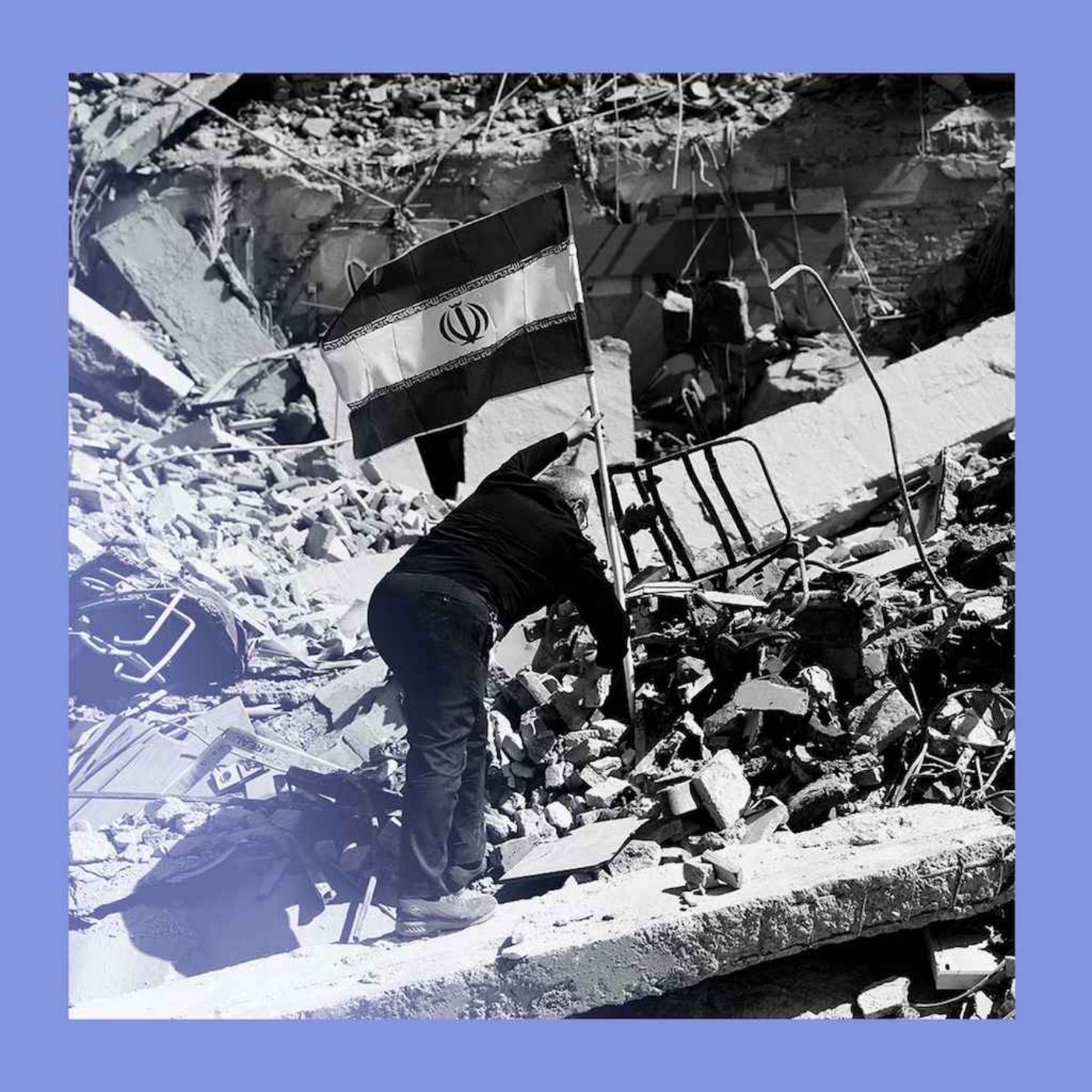
The US is moving from a global deterrence posture to concentrating massive force for specific operations, as seen with Iran. This strategy denudes other theaters of critical assets, creating windows of opportunity for adversaries like China while allies are left exposed.

The massive expenditure of U.S. missile defense interceptors in the Iran conflict is significantly cutting into the total inventory. This depletion, which cannot be quickly replaced, creates a window of vulnerability that could tempt China to act on its regional ambitions while the U.S. is distracted and under-supplied.
The U.S. military is succeeding in tactical objectives, like damaging Iranian vessels. However, the overarching strategy is failing due to a lack of allied support and unclear long-term goals. Attacking oil infrastructure, for instance, signals an implicit abandonment of regime change as a viable outcome.

Expending high-end munitions like JASSM missiles on a secondary adversary like Iran critically depletes stockpiles essential for deterring a primary competitor like China. This creates a significant vulnerability, as the defense industrial base cannot quickly replenish these sophisticated weapons, undermining readiness for a major conflict.
The Iran conflict serves the strategic interests of China and Russia by distracting US attention and draining its military resources. It consumes critical assets (like Patriot missiles needed for Ukraine) and diverts political focus from containing America's primary geopolitical rivals in Europe and Asia.
